
India's National Curriculum Framework 2026 launches sweeping reforms in school education, emphasizing critical thinking, regional languages, and digital literacy, impacting millions of students and teachers nationwide.
India launched its National Curriculum Framework 2026 on February 20, introducing sweeping reforms aimed at transforming school education across the country, according to the Ministry of Education.
The new framework, unveiled in New Delhi, marks the most comprehensive curriculum overhaul in two decades, impacting over 260 million students and 9 million teachers, as reported by The Hindu.

Background: The Need for Reform
India's previous curriculum, last updated in 2005, faced criticism for rote learning and outdated pedagogies. The National Education Policy (NEP) 2020 called for a modernized, holistic approach to learning, setting the stage for this major reform.The NEP 2020 emphasized multilingual education, critical thinking, and technology integration. The new framework is the result of extensive consultations with educators, policymakers, and stakeholders nationwide, according to the Ministry of Education.
Key Features of the 2026 Curriculum
The National Curriculum Framework 2026 introduces competency-based learning, prioritizing problem-solving, creativity, and analytical skills over memorization, as detailed in the official release.A major highlight is the integration of regional languages as mediums of instruction until Grade 5, aiming to improve foundational literacy and inclusivity, according to The Indian Express.
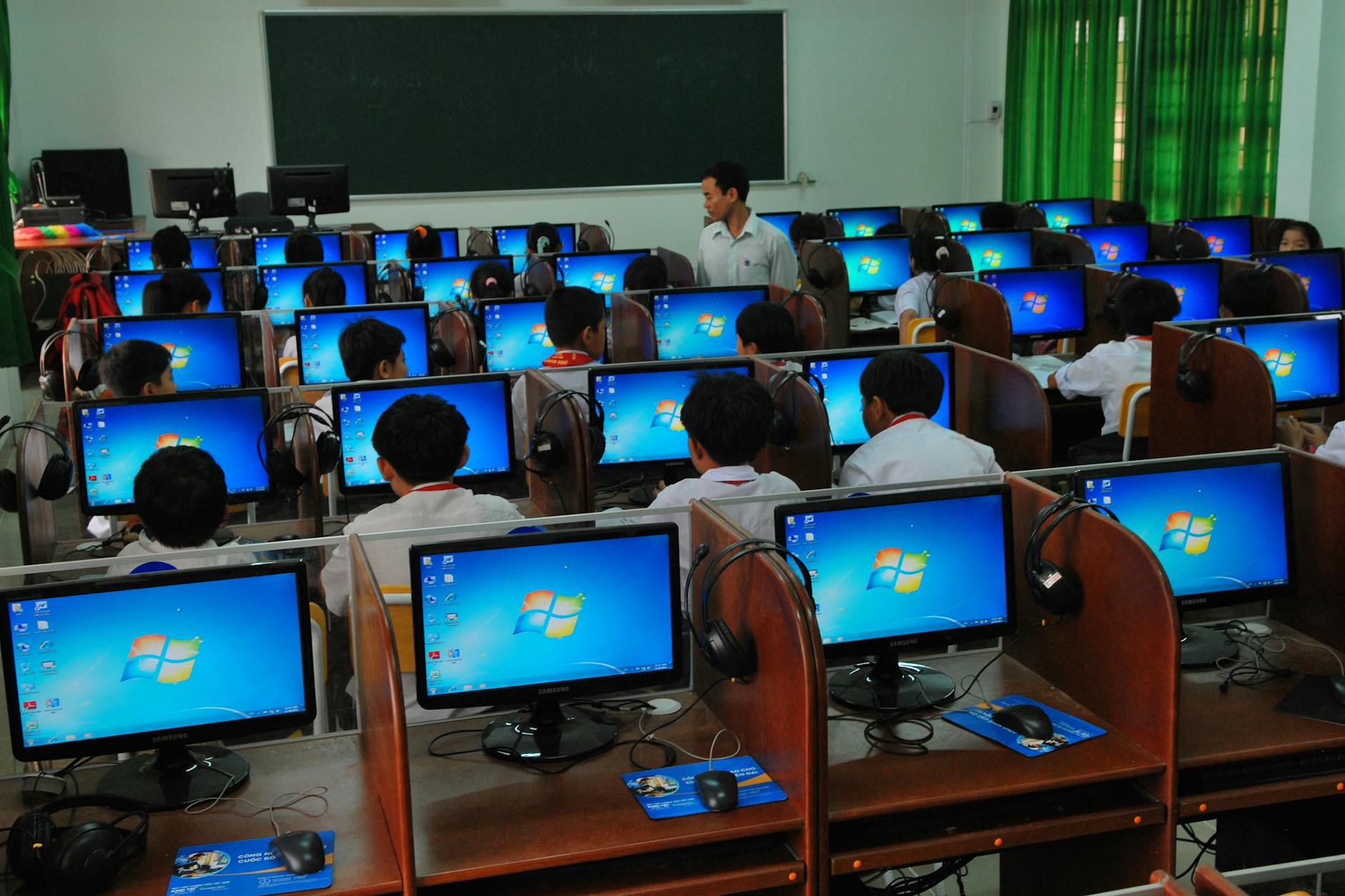
Digital literacy is now a core component, with coding, digital safety, and online research skills embedded from primary grades. The framework also includes environmental education and life skills, reflecting global trends.
Assessment and Examinations
Traditional high-stakes exams are being replaced by continuous, formative assessments. Students will be evaluated through projects, portfolios, and peer reviews, as reported by Times of India.Board examinations for Grades 10 and 12 will be offered twice a year, allowing students to improve scores and reduce stress. The assessment reforms aim to foster deeper understanding rather than rote recall.
Teacher Training and Capacity Building
The framework mandates regular teacher training on new pedagogies and technology use. The government has announced a nationwide upskilling initiative for educators, with digital modules and in-person workshops.Teacher recruitment policies are being revised to prioritize subject expertise and classroom innovation, according to statements from the National Council of Educational Research and Training (NCERT).

Implementation Timeline and Challenges
The rollout begins in the 2026-27 academic year, starting with Grades 1, 6, and 9. Full implementation across all grades is expected by 2029, according to the Ministry of Education.States have been given flexibility to adapt the framework to local contexts. However, experts warn of challenges in training teachers, updating textbooks, and ensuring digital infrastructure, especially in rural areas.
Stakeholder Reactions
Education experts have welcomed the focus on critical thinking and regional languages. However, some teacher unions have expressed concerns about increased workloads and the pace of change, as reported by The Economic Times.Parents and students have expressed optimism about reduced exam pressure and more engaging learning methods. Private schools are seeking clarity on implementation timelines and resource requirements.

Potential Impact on Indian Education
The reforms are expected to improve learning outcomes, reduce dropout rates, and better prepare students for higher education and the workforce, according to a UNICEF India analysis.By emphasizing digital skills and multilingualism, the framework aims to bridge urban-rural divides and align Indian education with global standards. However, successful implementation will require sustained funding and monitoring.
What’s Next?
The Ministry of Education will monitor pilot programs and collect feedback from schools during the first phase. Adjustments to the framework are expected based on data and stakeholder input.The government plans to release new textbooks and digital resources by July 2026. Ongoing public consultations and expert reviews will shape future updates to the curriculum.
Sources: This article draws on information from The Hindu, The Indian Express, Times of India, The Economic Times, UNICEF India, and official statements from the Ministry of Education and NCERT.
Sources: Information sourced from The Hindu, The Indian Express, Times of India, The Economic Times, UNICEF India, and official statements from the Ministry of Education and NCERT.