
India unveils its new National Curriculum Framework, aiming to modernize education, emphasize critical thinking, and align with NEP 2020 reforms. Experts and educators weigh in on its nationwide impact.
New Delhi, April 5, 2026 — The Government of India today officially launched the much-anticipated National Curriculum Framework (NCF) 2026, marking a pivotal shift in the country’s education system aimed at fostering critical thinking, flexibility, and holistic development, according to the Ministry of Education.
The NCF 2026 comes as a direct implementation of the National Education Policy (NEP) 2020, which called for sweeping reforms to make Indian education more contemporary and globally competitive. The new framework replaces the previous 2005 curriculum, which had been criticized for rote learning and outdated content.
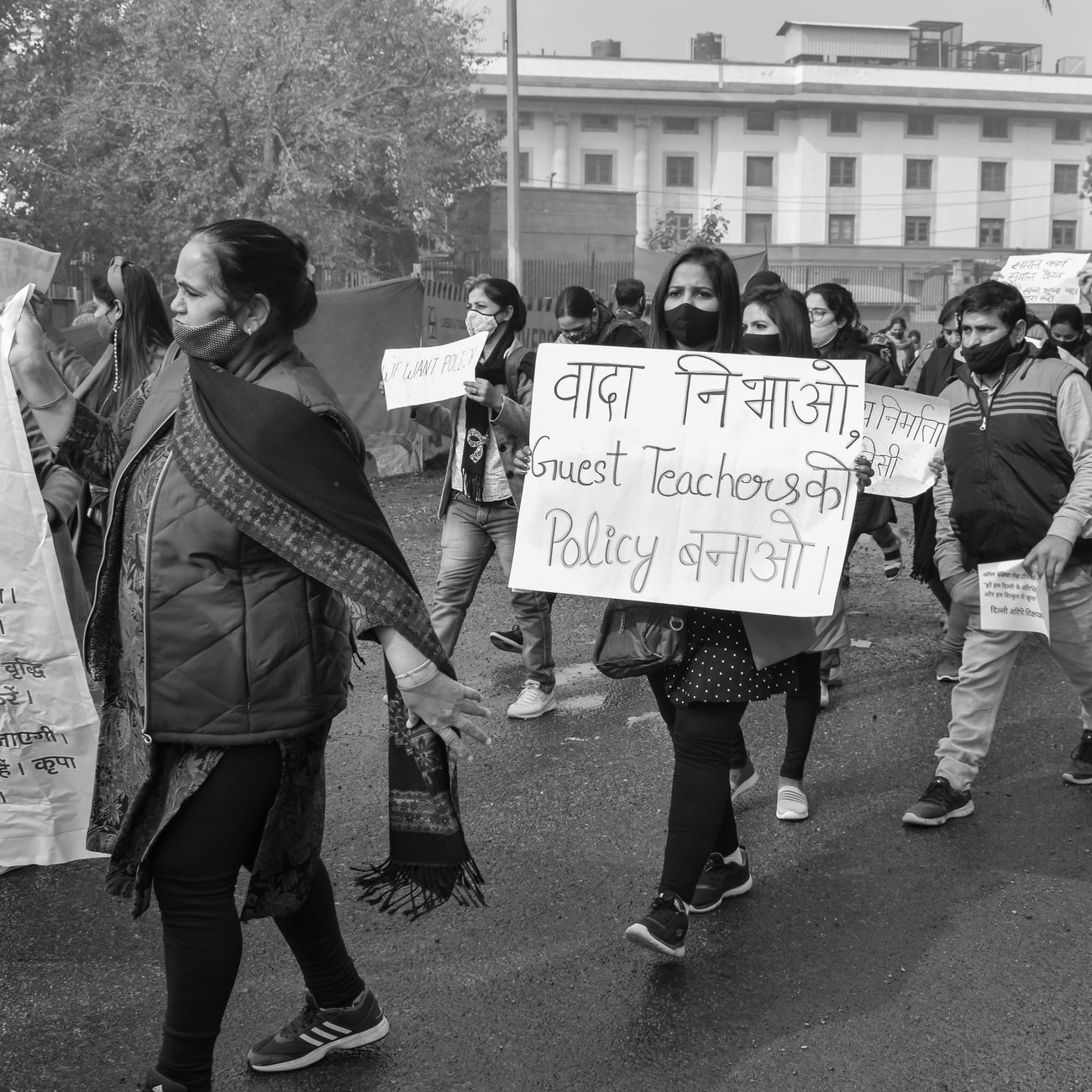
Background: Why a New Curriculum Now?
The NEP 2020, approved by the Union Cabinet in July 2020, set the stage for a comprehensive overhaul of India’s education system. The policy emphasized foundational literacy, flexible subject choices, and the integration of vocational education, as reported by The Hindu.
Over the past two years, the National Council of Educational Research and Training (NCERT) conducted extensive consultations with educators, state governments, and stakeholders. According to the Times of India, more than 1,000 experts contributed to the drafting process, ensuring the framework reflects India’s diverse educational needs.
Key Features of NCF 2026
The new curriculum framework introduces a 5+3+3+4 structure, replacing the traditional 10+2 model. This divides schooling into foundational, preparatory, middle, and secondary stages, aligning with children’s cognitive development, as outlined by the Ministry of Education.

NCF 2026 places a strong emphasis on experiential learning, project-based assessments, and the reduction of textbook content by up to 30%. According to The Indian Express, the framework encourages interdisciplinary studies, coding, and digital literacy from early grades.
Mother tongue or regional language will be the medium of instruction at least until Grade 5, with a gradual transition to English or Hindi in higher grades. This policy aims to improve comprehension and retention, as supported by research cited by UNESCO.
Assessment Reforms and Board Exams
One of the most significant changes is the overhaul of assessment methods. Board exams will now be held twice a year, with the best score retained. Continuous and comprehensive evaluation will replace high-stakes, one-time testing, according to statements from NCERT officials.
The framework also introduces competency-based assessments, focusing on understanding and application rather than memorization. This aligns with global best practices recommended by the World Bank and OECD.
Implementation Timeline and Challenges
The Ministry of Education has set a phased rollout, starting with Grades 1, 6, and 9 in the 2026-27 academic year. All grades are expected to transition to the new framework by 2029, as per the official roadmap released today.
However, experts warn of challenges in teacher training, infrastructure, and resource allocation. The All India Primary Teachers Federation noted that over 2 million teachers will require upskilling to adapt to the new pedagogies.
State-Level Adaptation
Education is a concurrent subject in India, meaning both central and state governments have jurisdiction. States like Kerala and Maharashtra have welcomed the reforms, but others have expressed concerns about language policies and regional adaptation, according to The Economic Times.
NCERT has assured states of flexibility in contextualizing content while maintaining core competencies. The framework also allows for local culture and history to be integrated into curricula, addressing long-standing demands from regional leaders.
Reactions from Educators and Students
Teachers’ unions have largely welcomed the focus on conceptual learning, though some worry about increased workloads during the transition period. Student groups, interviewed by NDTV, expressed optimism about reduced exam stress and more engaging classroom activities.
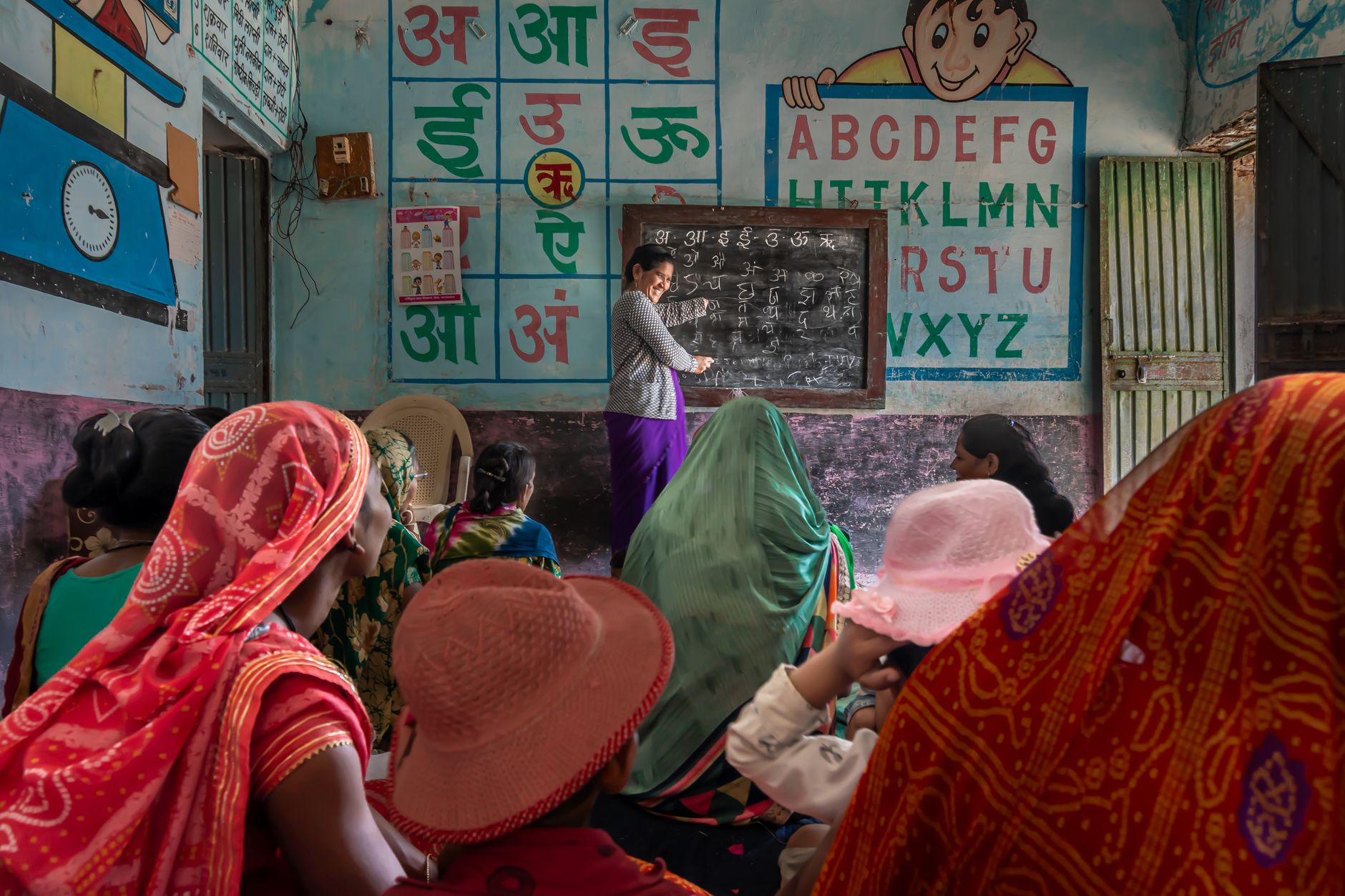
Private schools have begun pilot programs to test new teaching methods, while government schools await additional funding and resources. The government has allocated ₹10,000 crore for curriculum transition and teacher training over the next three years, as reported by The Financial Express.
International Perspectives
Global education experts have praised India’s move toward 21st-century skills. Andreas Schleicher, Director for Education at OECD, told Reuters that the NCF 2026 could serve as a model for other developing nations if implemented effectively.
UNESCO officials highlighted the importance of inclusive education and digital access, urging India to bridge rural-urban divides. The framework’s emphasis on foundational literacy and numeracy aligns with Sustainable Development Goal 4, as noted in a recent UNESCO report.
What’s Next?
The coming months will see the release of new textbooks, digital resources, and teacher training modules. The Ministry of Education has announced a national helpline and online portal to support educators and parents during the transition.
Monitoring and evaluation mechanisms are being set up to track progress and address implementation gaps. Regular feedback from schools and states will inform future revisions, ensuring the curriculum remains dynamic and relevant.
Sources: This article draws on information from the Ministry of Education, The Hindu, Times of India, The Indian Express, The Economic Times, NDTV, Reuters, UNESCO, and OECD reports.
Sources: Information sourced from the Ministry of Education, The Hindu, Times of India, The Indian Express, The Economic Times, NDTV, Reuters, UNESCO, and OECD reports.