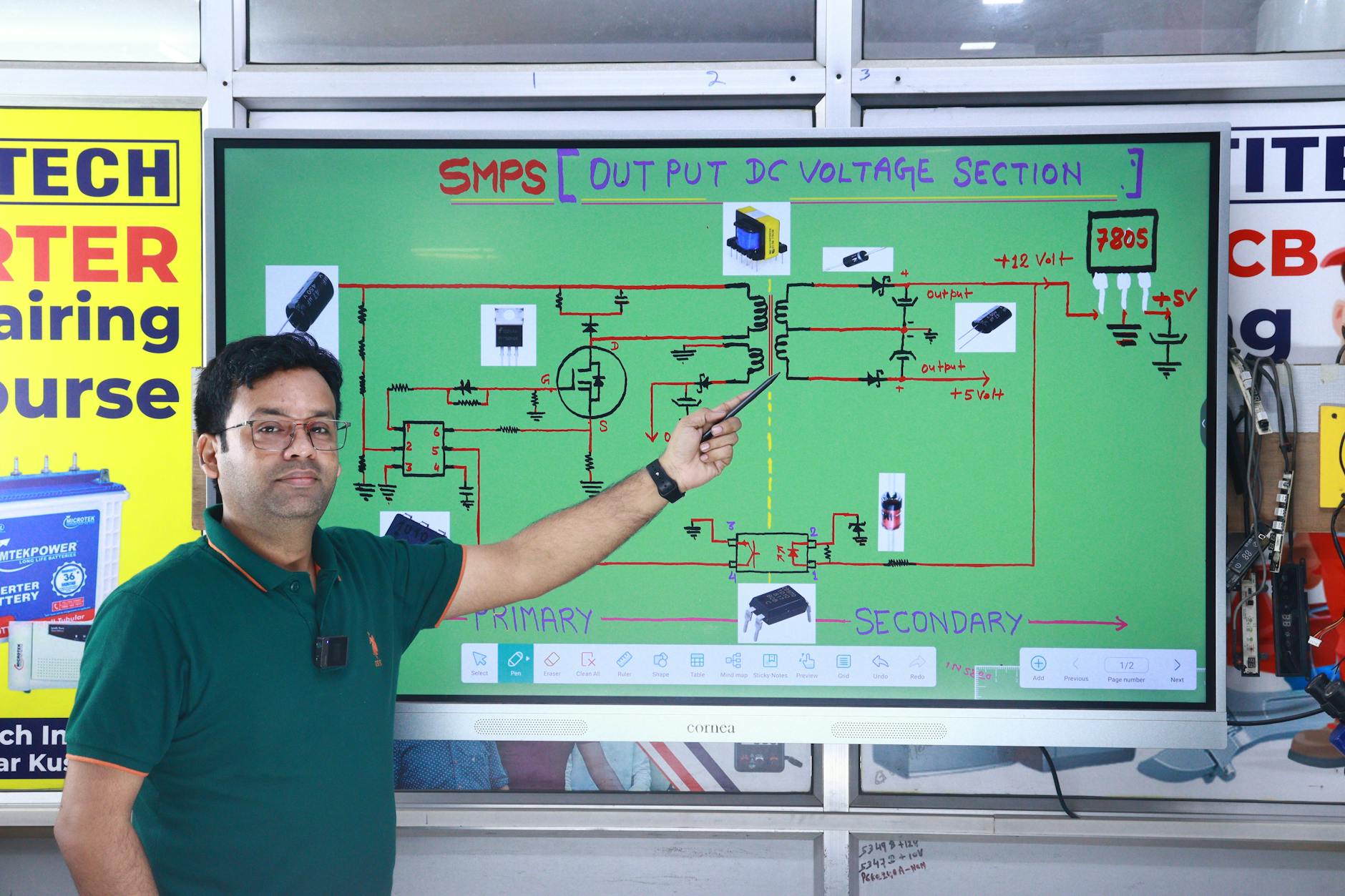
India unveils the National Digital Education Policy 2026, aiming to revolutionize access, equity, and quality in education through technology integration and sweeping curriculum reforms nationwide.
New Delhi, July 18, 2026 — The Government of India today launched the National Digital Education Policy 2026 (NDEP 2026), a sweeping reform initiative designed to transform the country’s education system. The policy, announced by Education Minister Priya Sharma, aims to bridge persistent learning gaps and expand digital access for over 250 million students across India.
The NDEP 2026 is the first major educational policy overhaul since the National Education Policy 2020. According to the Ministry of Education, the new framework focuses on integrating digital tools, personalized learning, and curriculum modernization to address disparities exposed during the COVID-19 pandemic.
Background: The Push for Digital Equity
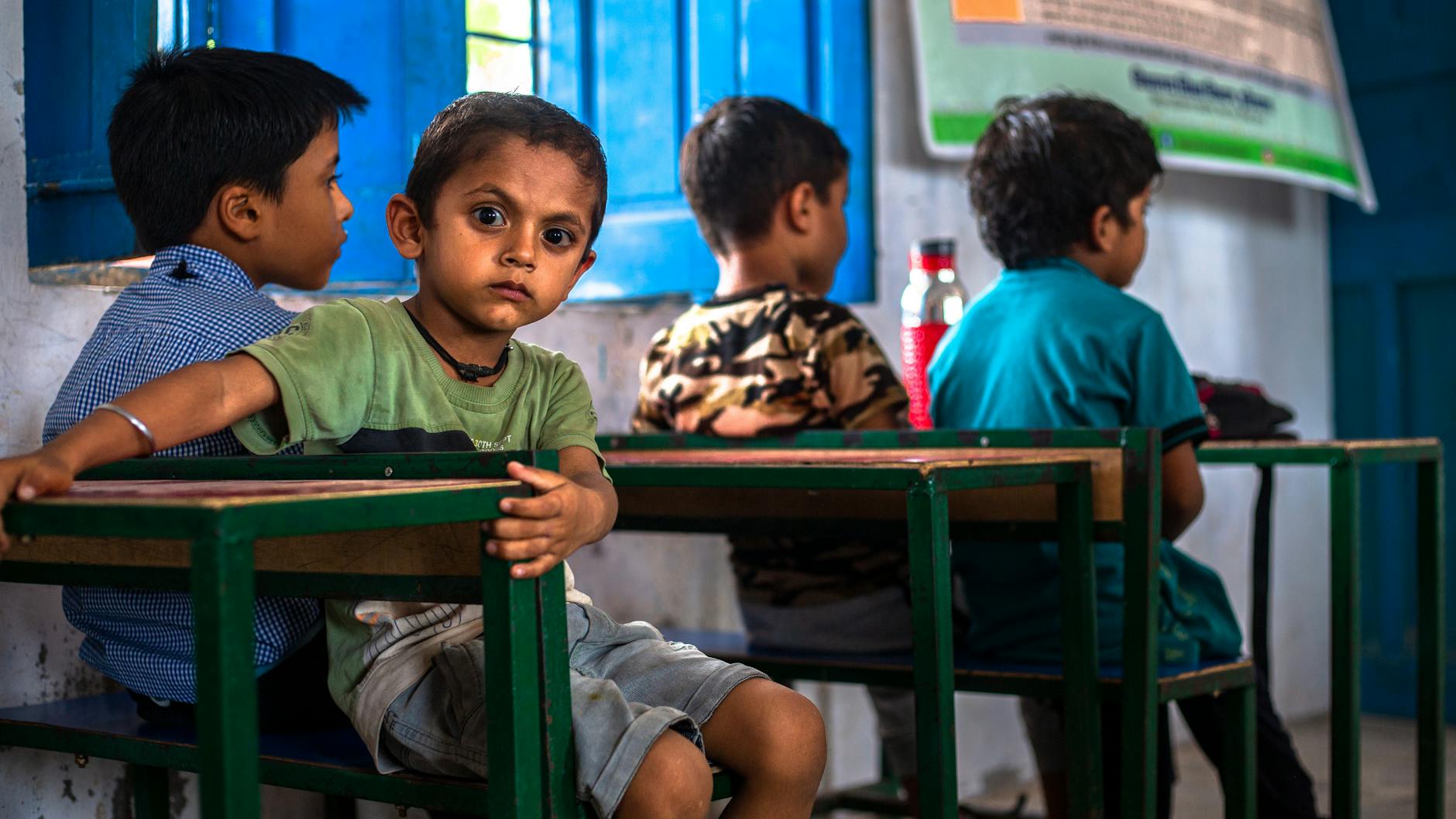
India’s previous education reforms faced criticism for slow digital adoption and uneven access. Data from UNESCO in 2025 showed that nearly 40% of rural students lacked reliable internet connectivity, hampering remote learning efforts during pandemic lockdowns.The digital divide became a national concern as urban students advanced with online resources, while millions in rural and marginalized communities fell behind. The Economic Times reported in May 2026 that learning losses persisted, especially in foundational literacy and numeracy.
Key Features of the NDEP 2026
The new policy mandates digital infrastructure upgrades in all government schools by 2028. The government has allocated ₹45,000 crore ($5.4 billion) for high-speed internet, smart classrooms, and device distribution, according to the Ministry of Finance.
NDEP 2026 introduces a national digital learning platform, BharatLearn, which will offer curriculum-aligned content in 22 regional languages. The platform will use artificial intelligence to personalize learning paths, as detailed by the Ministry of Electronics & IT.
Teacher training is a core pillar. Over 2 million educators will undergo digital pedagogy certification by 2027, supported by partnerships with IITs and global edtech firms, according to a press release from the Ministry of Education.
Curriculum Reforms and Assessment Changes
The policy emphasizes competency-based curricula, reducing rote memorization. New assessment models will focus on critical thinking, creativity, and digital literacy. The Central Board of Secondary Education (CBSE) will pilot adaptive online exams in 2027.Vocational education will see an overhaul, with digital skills, coding, and entrepreneurship modules introduced from Grade 6. The National Council of Educational Research and Training (NCERT) will develop new textbooks and e-resources reflecting these changes.

Bridging Regional and Socioeconomic Gaps
NDEP 2026 targets the digital divide head-on. Special grants will support device access for girls, students with disabilities, and those in remote tribal areas. According to UNICEF India, such targeted interventions are crucial for equitable outcomes.The policy also mandates the creation of local digital content and teacher support networks in every district. State governments are required to submit annual progress reports to the central ministry, ensuring accountability and data-driven adjustments.
Stakeholder Reactions and Early Critiques
Education experts have welcomed the ambitious vision. Dr. Kavita Rao of Azim Premji University told Reuters that the policy’s focus on foundational skills and digital equity is "long overdue." However, some teachers’ unions have raised concerns about implementation timelines and training quality.Private edtech firms, including Byju’s and Vedantu, have expressed interest in collaborating on content development and teacher training. The Hindu BusinessLine reported that the policy could open new markets for Indian and global education technology companies.

Potential Impact on India’s Education Landscape
If implemented successfully, NDEP 2026 could significantly improve learning outcomes. The World Bank estimates that a 10% increase in digital access correlates with a 7% rise in literacy rates among children aged 6-14.The policy’s emphasis on digital skills aligns with India’s goal to become a global technology hub. Industry leaders predict that graduates with strong digital literacy will be better prepared for emerging jobs in AI, robotics, and data science.
Challenges Ahead
Experts caution that infrastructure upgrades in remote regions may face logistical hurdles. The Indian Express highlighted concerns about electricity shortages and device maintenance in rural schools.Monitoring and evaluation will be key. The National Institute of Educational Planning and Administration (NIEPA) will lead annual impact assessments, using data analytics to track progress and recommend course corrections.
What’s Next?
The Ministry of Education will roll out pilot projects in 100 districts starting August 2026. Nationwide implementation is scheduled for the 2027-28 academic year, with a mid-term review planned for 2028.India’s NDEP 2026 represents one of the world’s largest digital education initiatives. As the country embarks on this ambitious journey, global education leaders are watching closely to see if the reforms can deliver on their promise of inclusive, future-ready learning for all.
Sources: Ministry of Education, Reuters, The Economic Times, The Hindu BusinessLine, UNESCO, UNICEF India, World Bank, Indian Express, NIEPA.
Sources: Information sourced from the Ministry of Education, Reuters, The Economic Times, The Hindu BusinessLine, UNESCO, UNICEF India, World Bank, Indian Express, and NIEPA reports.