
India's government has unveiled the National Digital Education Policy 2026, aiming to transform learning with technology, address rural-urban divides, and set new standards for digital classrooms nationwide.
New Delhi, April 1, 2026 — The Indian government today announced the National Digital Education Policy 2026, an ambitious reform set to overhaul the country’s education system by integrating advanced technology, bridging rural-urban gaps, and standardizing digital learning across all states.
The policy, unveiled by Education Minister Dr. Priya Sharma, comes after two years of nationwide consultations and pilot programs. It aims to provide every student, from primary to higher secondary, with access to digital resources and personalized learning tools, according to the Ministry of Education.
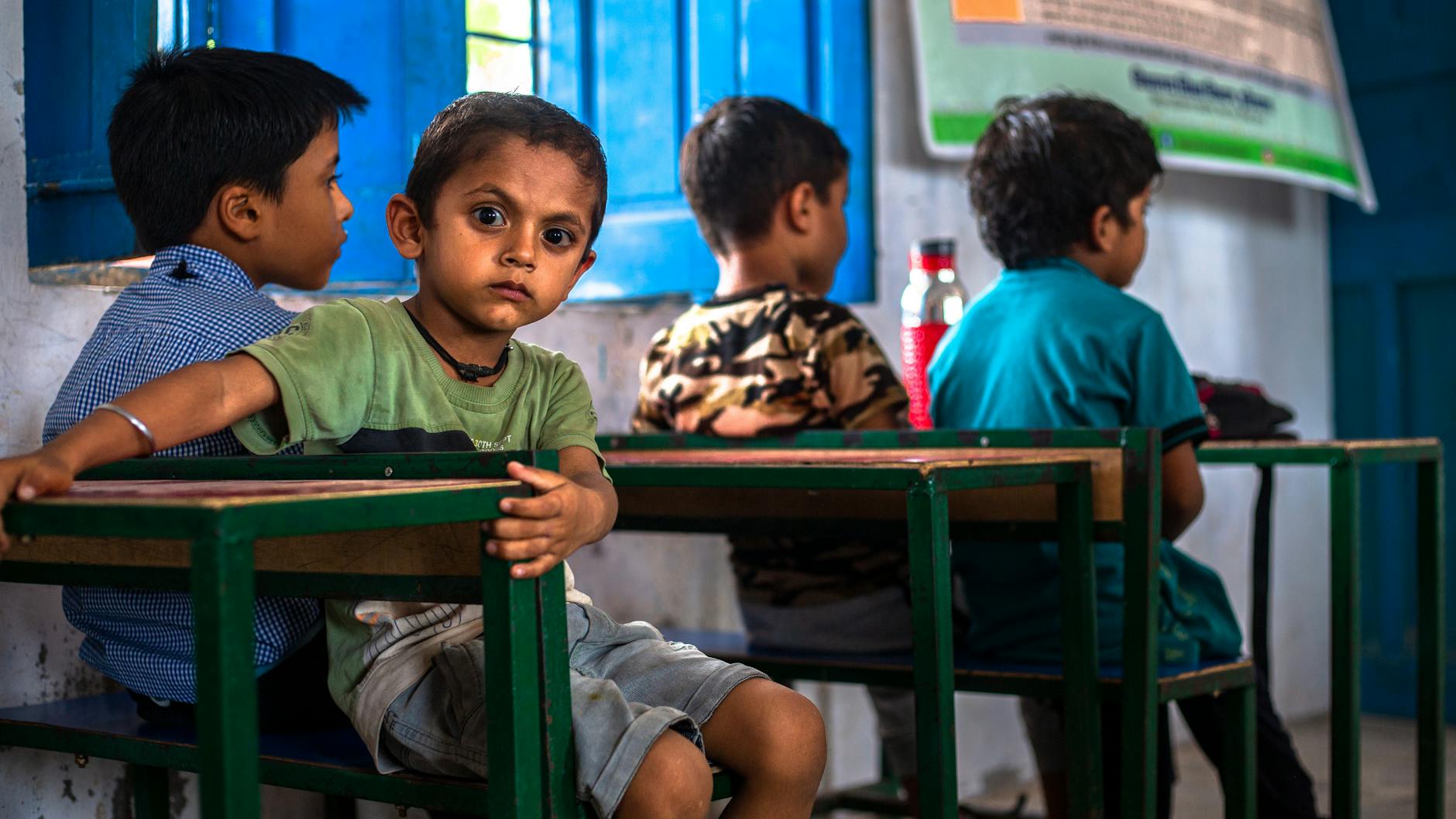
Background: The Push for Digital Transformation
India’s education sector has faced persistent challenges, including disparities in access, outdated curricula, and teacher shortages. The COVID-19 pandemic accelerated the adoption of online learning, but also exposed deep digital divides, especially in rural areas, as reported by The Hindu.In 2024, the government launched the Digital Bharat Classroom Initiative, which provided internet-enabled devices to over 10 million students. However, a 2025 UNESCO report highlighted that 40% of rural students still lacked regular access to quality digital content.
Key Features of the New Policy
The National Digital Education Policy 2026 introduces several groundbreaking measures. All government and aided schools will be equipped with smart classrooms by 2028. The policy mandates a minimum digital literacy curriculum from Grade 3, and introduces adaptive AI-driven learning platforms to personalize education, according to the Ministry’s official release.A central Digital Education Repository will offer free access to textbooks, video lectures, and interactive modules in 22 Indian languages. The policy also includes provisions for regular teacher training in digital pedagogy, with over 500,000 teachers expected to be certified by 2027.

Bridging the Rural-Urban Divide
One of the policy’s core objectives is to reduce educational inequality. The government has allocated ₹15,000 crore ($1.8 billion USD) for infrastructure upgrades in rural and underserved regions, as reported by The Economic Times.Special grants will support the installation of solar-powered internet hubs in remote villages. The policy also incentivizes private sector partnerships to expand broadband connectivity, aiming for 100% coverage of all schools by 2028.
Technology and Curriculum Integration
The policy mandates the integration of coding, data literacy, and digital citizenship into the national curriculum. By 2027, all students from Grade 6 onward will learn basic programming and responsible internet use, according to the National Council of Educational Research and Training (NCERT).AI-powered assessment tools will track student progress and provide real-time feedback to teachers and parents. The government will also pilot virtual reality (VR) labs in 2,000 schools to enhance science and mathematics learning.
Stakeholder Reactions
Reactions to the policy have been largely positive. The All India Parents Association welcomed the reforms, citing the potential to democratize quality education. However, some teacher unions expressed concerns about the pace of implementation and the need for robust training, as reported by The Indian Express.Private edtech firms, including Byju’s and Vedantu, have pledged to support the government’s initiatives with content and technology solutions. UNESCO’s South Asia office praised the policy as a model for other developing nations.
Challenges and Criticisms
Despite the optimism, experts warn of significant hurdles. A 2026 NITI Aayog report notes that over 30% of schools still lack reliable electricity, and teacher shortages persist in many states. Cybersecurity and data privacy are also major concerns, with the policy mandating strict compliance with India’s Digital Data Protection Act.Education policy analyst Dr. Meera Nair told Reuters that effective monitoring and transparent funding will be critical for success. She emphasized the need for ongoing community engagement to ensure that digital reforms do not marginalize disadvantaged groups.

Impact on Students and Teachers
Early pilot programs in Maharashtra and Kerala have shown promising results. According to data from the Ministry of Education, schools using AI-based platforms reported a 22% improvement in math scores and higher student engagement.Teachers in these pilot regions received monthly digital training and access to online lesson planning tools. Student attendance rates increased by 15% in digitally enabled classrooms, according to a 2025 government survey.
What’s Next: Implementation Timeline
The government has set a phased rollout, with the first stage targeting 100,000 schools in 2026-27. By 2028, all public schools are expected to meet the new digital standards. An independent monitoring body will publish annual progress reports.The Ministry of Education will launch a public feedback portal in May 2026 to gather input from students, parents, and teachers. The policy will be reviewed every three years to adapt to evolving technological and educational needs.
Sources
Information for this article was sourced from The Hindu, The Economic Times, UNESCO, Reuters, The Indian Express, the Ministry of Education (India), and NCERT reports.Sources: Information sourced from The Hindu, The Economic Times, UNESCO, Reuters, The Indian Express, and official Ministry of Education and NCERT reports.