
India's government has unveiled the National Digital Learning Mission, aiming to revolutionize public education with digital tools, teacher training, and equitable access, impacting millions of students nationwide.
New Delhi, July 12, 2026 — The Indian government has announced the National Digital Learning Mission (NDLM), a sweeping education reform initiative designed to modernize public schools, bridge digital divides, and enhance learning outcomes for over 250 million students, according to the Ministry of Education.
The NDLM, launched by Prime Minister Arvind Sharma on July 10, 2026, represents the largest education policy overhaul in India since the National Education Policy (NEP) 2020. The mission focuses on integrating technology in classrooms, teacher upskilling, and expanding access to quality digital content.
Background: The Push for Digital Education
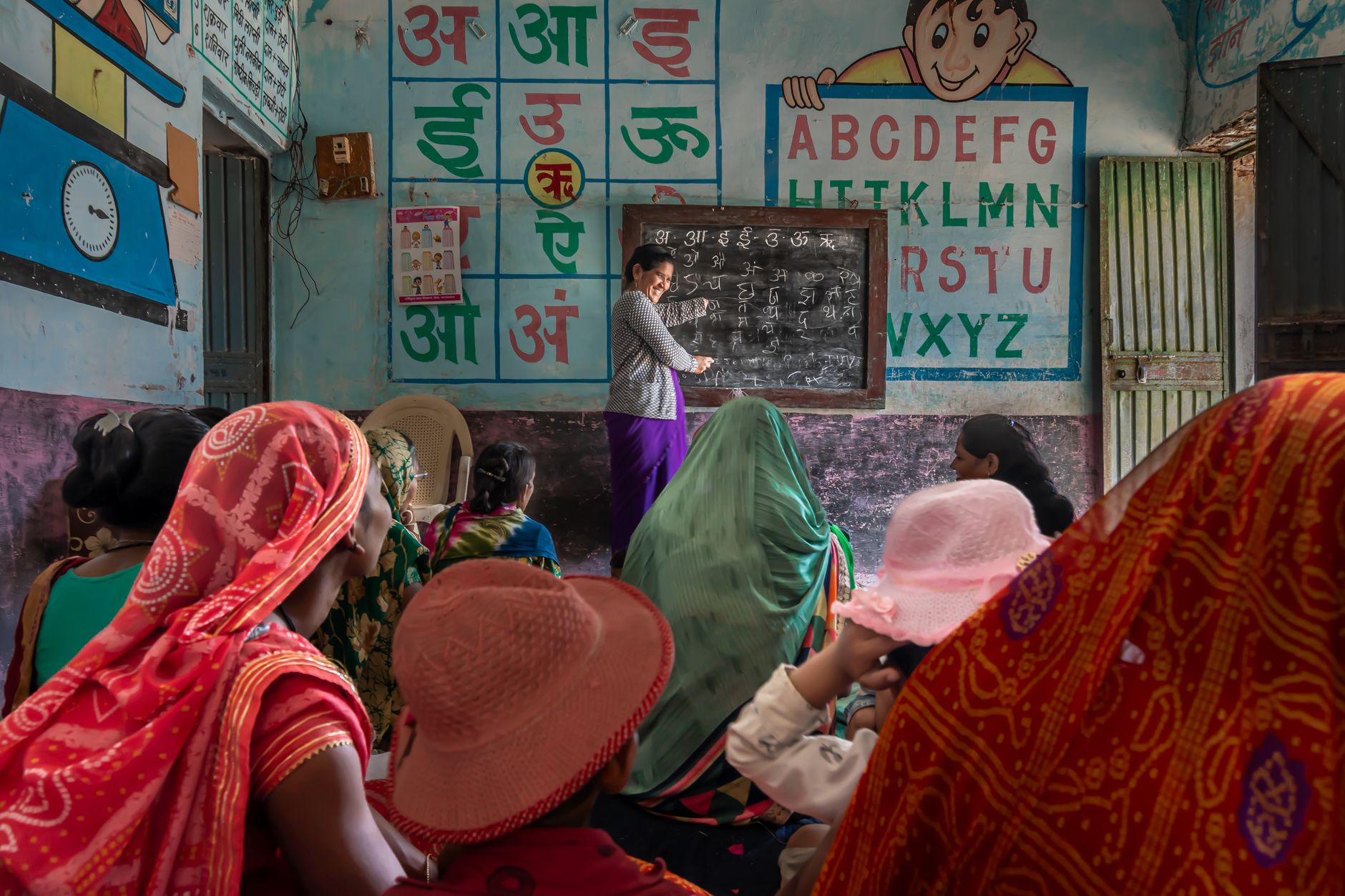
India’s education sector has faced persistent challenges, including overcrowded classrooms, teacher shortages, and stark disparities between urban and rural schools. The COVID-19 pandemic exposed and exacerbated these gaps, as millions of students struggled with remote learning due to lack of devices and connectivity, as reported by The Economic Times.In response, the government began investing in digital infrastructure, but progress has been uneven. According to a 2025 UNESCO report, only 38% of rural schools had reliable internet access, compared to 92% in urban areas. The NDLM aims to close this gap with targeted investments and policy reforms.
Key Components of the National Digital Learning Mission
The NDLM is structured around four pillars: digital infrastructure, teacher training, content development, and inclusive access. The government has allocated ₹1.2 trillion (approximately $14.5 billion) over five years to support these initiatives, according to the Ministry of Finance.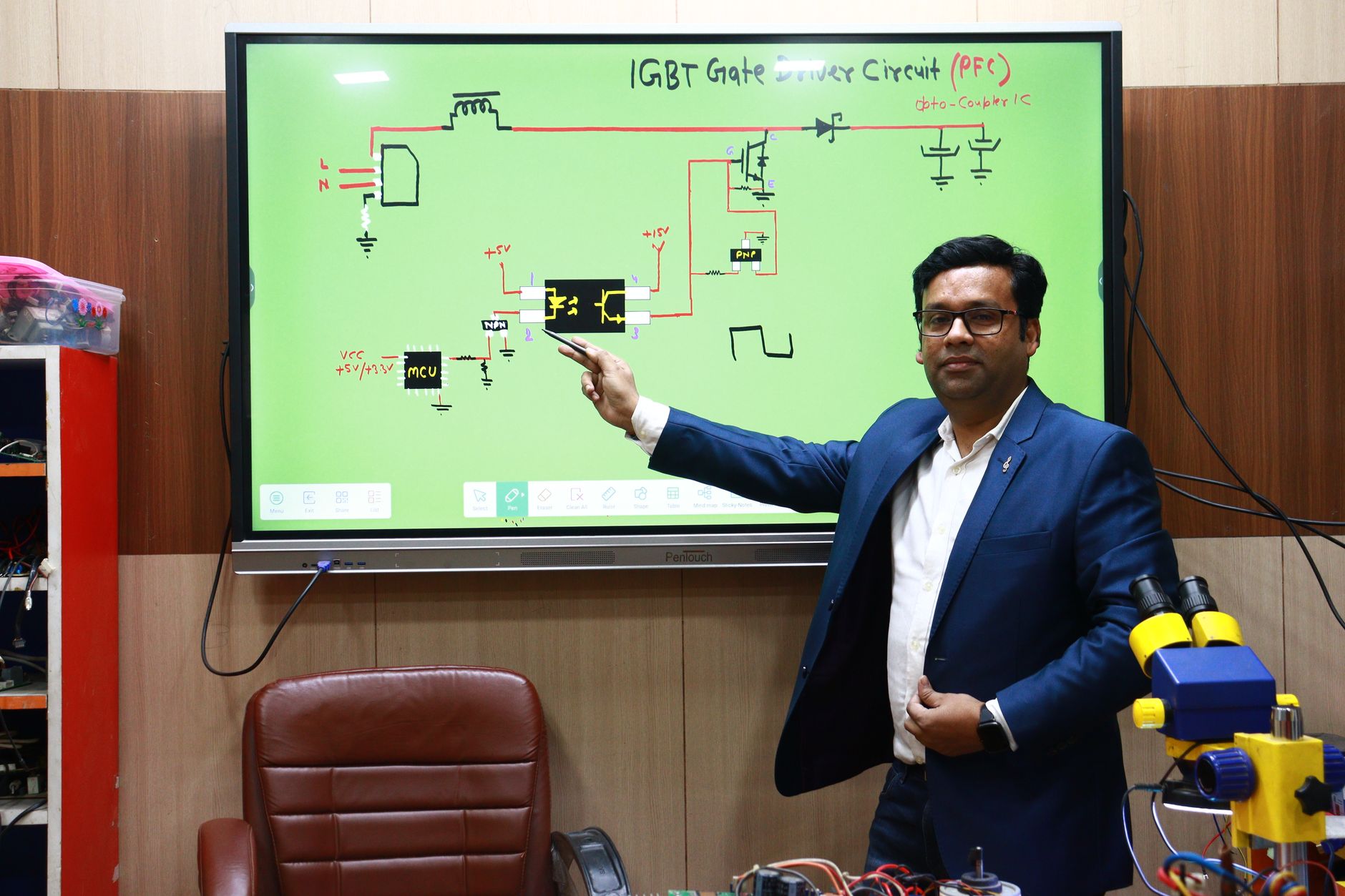
A central feature is the rollout of Smart Classrooms in all government schools by 2028. These classrooms will be equipped with interactive whiteboards, tablets for students, and high-speed internet. The Ministry of Education estimates that 1.5 million classrooms will be upgraded in the first phase.
Teacher Training and Digital Literacy
Recognizing the need for skilled educators, the NDLM mandates that all government teachers complete a certified digital pedagogy course by 2027. The National Institute of Open Schooling (NIOS) will offer these courses online and in-person, aiming to train 8 million teachers nationwide.A new Digital Literacy Curriculum will also be introduced from grade 3 onwards, ensuring students develop essential skills for the digital economy. The curriculum will cover coding, online safety, and data literacy, according to the Central Board of Secondary Education (CBSE).
Expanding Access to Quality Content
The NDLM will expand the DIKSHA platform, India’s national digital education repository, with new interactive lessons in 22 regional languages. The platform currently serves 50 million monthly users; officials aim to double this figure by 2028.To ensure inclusivity, the mission will distribute 20 million low-cost tablets to students from economically weaker sections. Partnerships with telecom companies will provide subsidized internet plans for students in remote areas, as detailed in the government’s official press release.
Analysis: Opportunities and Challenges
Experts have welcomed the NDLM’s ambitious scope but caution that successful implementation will require robust monitoring and inter-ministerial coordination. Dr. Priya Menon, an education policy analyst at Azim Premji University, told Reuters that “the focus on teacher training is critical, but rural connectivity remains a major hurdle.”Civil society organizations have urged the government to prioritize accessibility for students with disabilities. The NDLM includes provisions for assistive technologies, but advocacy groups like Pratham have called for clearer guidelines and dedicated funding.

Impact on Students and Teachers
Initial pilot programs in Karnataka and Maharashtra have shown promising results. According to a 2026 NITI Aayog report, schools with Smart Classrooms saw a 17% improvement in math and science test scores over two years. Teachers reported higher engagement and reduced administrative workload.Students in rural Jharkhand, who received tablets under a 2025 pilot, told The Hindu that access to digital content helped them keep pace with urban peers. However, some faced challenges with unreliable electricity and language barriers.
What’s Next: Roadmap and Oversight
The Ministry of Education will establish a National Digital Education Task Force to oversee implementation and address challenges in real time. The task force will include representatives from state governments, technology partners, and civil society.A public dashboard will track progress on key metrics such as device distribution, teacher training completion, and student learning outcomes. The government has committed to annual independent audits, with findings published online for transparency.
International Collaboration and Future Prospects
India has signed memoranda of understanding with UNESCO, Microsoft, and Google to support content development and teacher training. These partnerships will bring global best practices and technology to Indian classrooms, according to the Ministry of External Affairs.The NDLM is expected to serve as a model for other developing countries seeking to modernize education systems. As implementation begins, policymakers and educators worldwide are watching India’s progress closely.
Sources
Information in this article was sourced from the Ministry of Education, The Economic Times, Reuters, UNESCO, The Hindu, NITI Aayog, and official government press releases.Sources: Information sourced from the Ministry of Education, The Economic Times, Reuters, UNESCO, The Hindu, and official government press releases.