
Background: The Need for Reform
India's education system has faced criticism for rote learning, outdated curricula, and insufficient focus on real-world skills. According to the Annual Status of Education Report (ASER), less than 50% of Grade 5 students could read at Grade 2 level in 2025. The National Education Policy (NEP) 2020 set the stage for comprehensive change, calling for a new curriculum framework aligned with global best practices.
Key Features of NCF 2026
The NCF 2026 introduces a competency-based curriculum, shifting from memorization to conceptual understanding. It emphasizes multidisciplinary learning, critical thinking, and project-based assessments. The framework also incorporates digital literacy and environmental education as core components, as highlighted by the Ministry’s policy brief.
Four-Stage School Structure
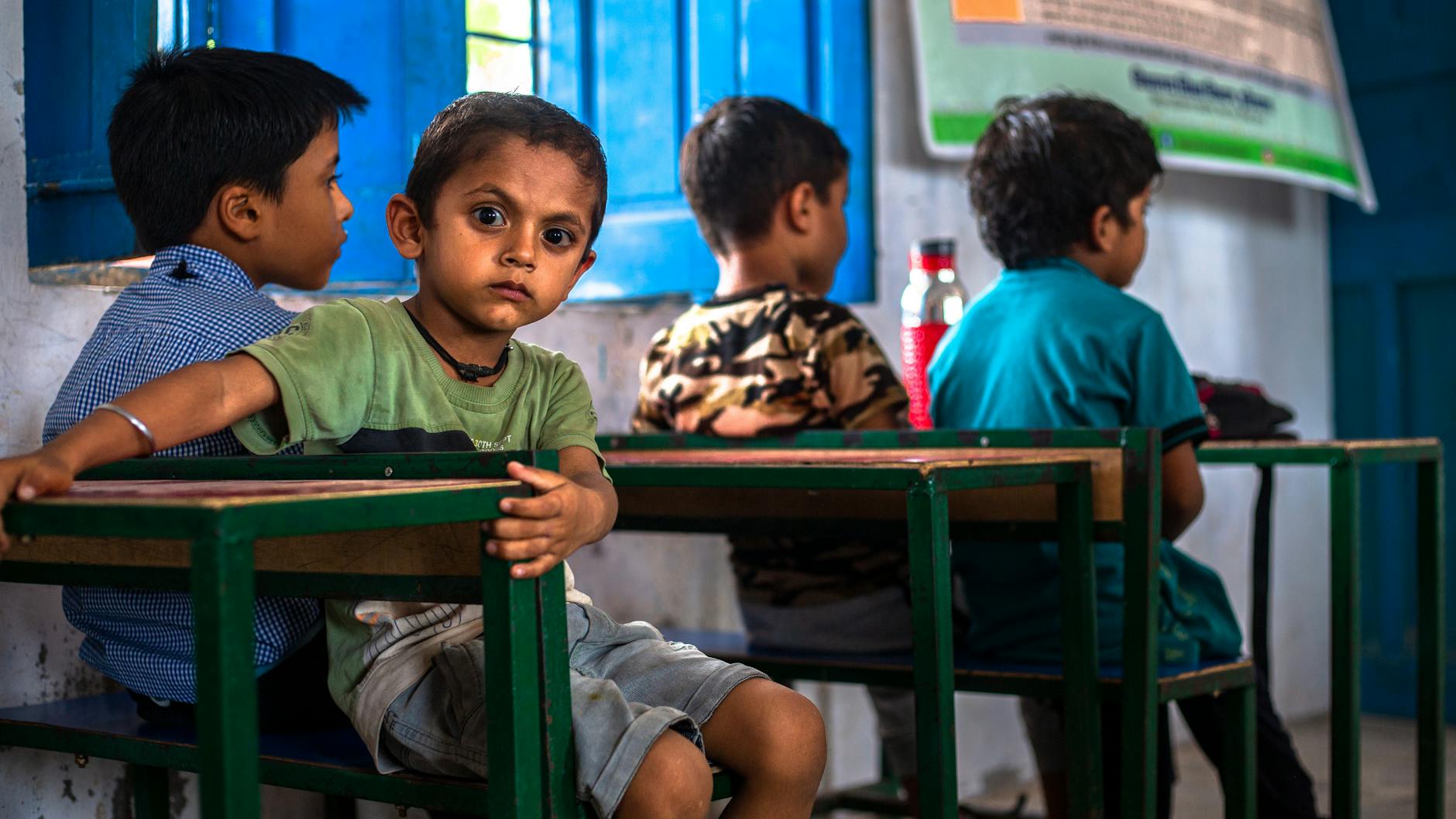
The new framework restructures schooling into four stages: Foundational (ages 3-8), Preparatory (8-11), Middle (11-14), and Secondary (14-18). This aligns with cognitive development research and aims to ensure age-appropriate pedagogy, according to the National Council of Educational Research and Training (NCERT).
Assessment Reforms
Traditional high-stakes board exams will be replaced by modular, year-round assessments. Students will have multiple opportunities to demonstrate learning, reducing exam stress. The Central Board of Secondary Education (CBSE) will pilot digital assessments in 2026, as reported by The Times of India.
Focus on Foundational Literacy and Numeracy
The NCF 2026 prioritizes foundational literacy and numeracy in early grades. The government aims for universal proficiency by 2028, with targeted interventions in underperforming districts. UNICEF India praised this move, citing its potential to close learning gaps exacerbated by the COVID-19 pandemic.
Integration of Vocational and Life Skills
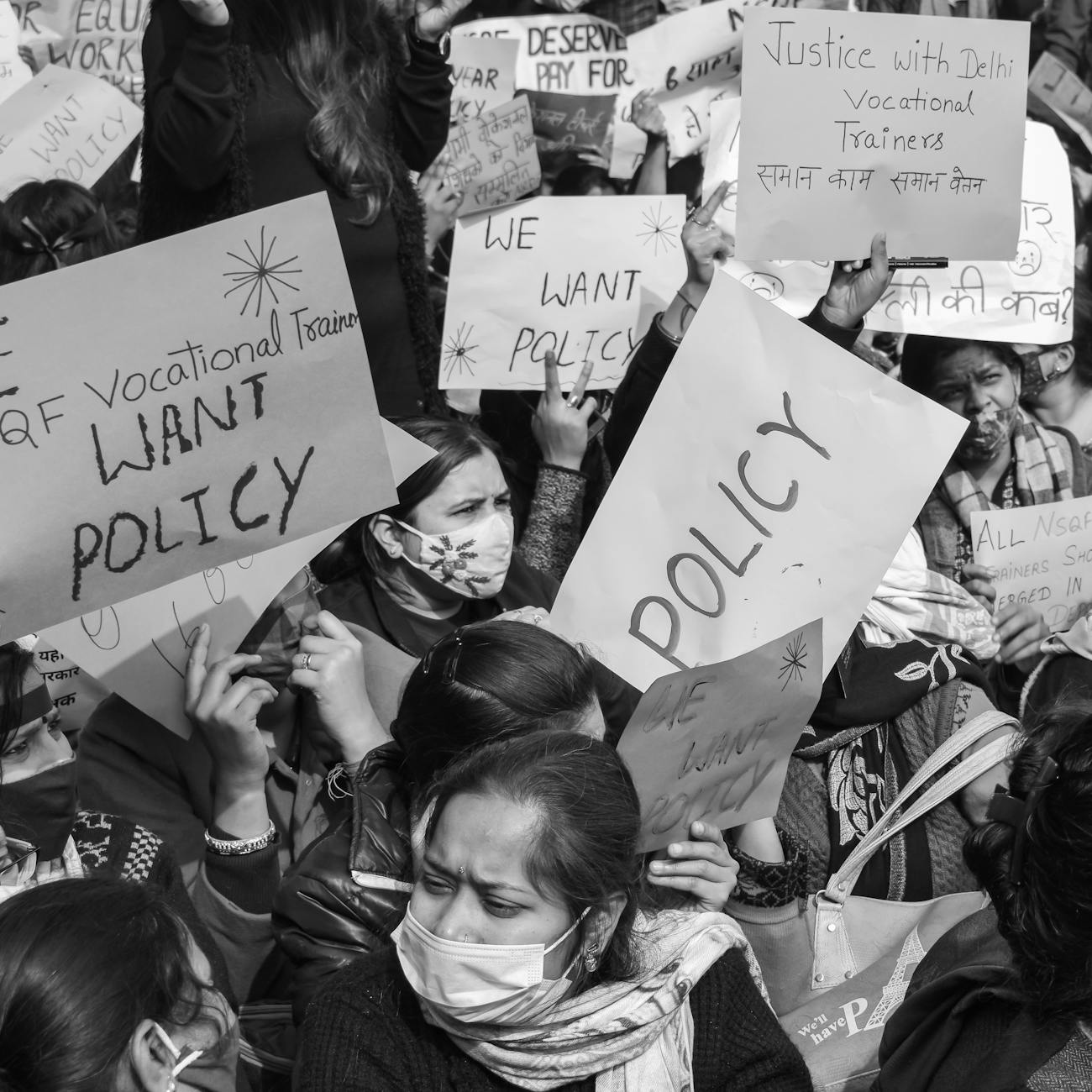
For the first time, vocational education will be integrated from Grade 6 onward. Students can choose from a range of skills, including coding, carpentry, and agriculture. The Confederation of Indian Industry (CII) welcomed this, noting that only 5% of Indian youth currently receive formal vocational training.
Teacher Training and Capacity Building
NCF 2026 mandates ongoing professional development for teachers. The National Initiative for School Heads’ and Teachers’ Holistic Advancement (NISHTHA) will expand, offering online and blended training modules. According to the Ministry of Education, over 1.2 million teachers are expected to be upskilled by 2027.
Promoting Multilingualism
The framework encourages instruction in mother tongues or regional languages until at least Grade 5. English and other languages will be introduced gradually. Linguistic experts from Jawaharlal Nehru University (JNU) have lauded this approach for supporting cognitive development and inclusivity.

Digital Learning and EdTech Integration
NCF 2026 integrates digital learning tools and platforms into daily instruction. The government will expand the DIKSHA platform, providing free digital resources to students and teachers. Data from the Ministry indicates that over 50 million users accessed DIKSHA in 2025.
Implementation Timeline
The rollout will begin in the 2026-27 academic year, starting with pilot projects in 10 states. Full national implementation is targeted by 2029. States are tasked with adapting the framework to local contexts, with support from NCERT and the World Bank, as per official statements.
Challenges and Concerns
Experts warn of potential hurdles, including teacher shortages, digital divides, and disparities in infrastructure. The All India Primary Teachers Federation (AIPTF) has called for increased funding and clear guidelines to ensure smooth adoption, especially in rural areas.
Stakeholder Reactions
Educationists, industry leaders, and parent groups have largely welcomed the reforms. However, some critics argue that frequent policy changes may disrupt learning continuity. Student unions have demanded more say in curriculum design, as reported by The Hindu.
International Comparisons
India’s NCF 2026 draws inspiration from Finland, Singapore, and South Korea, where competency-based education has improved learning outcomes. UNESCO’s 2025 Global Education Monitoring Report highlights the importance of such reforms for emerging economies.
Potential Impact on Students and Society
Analysts predict that the reforms could boost employability, reduce dropout rates, and foster innovation. The World Economic Forum estimates that 65% of children entering primary school today will work in jobs that do not yet exist, underscoring the need for adaptable skills.
What’s Next?
The Ministry of Education will monitor implementation and collect feedback from schools, teachers, and students. A national review is scheduled for 2028 to assess progress and make necessary adjustments. The success of NCF 2026 will depend on sustained investment and collaboration among all stakeholders.
Sources
Information for this article was sourced from Ministry of Education press releases, The Times of India, The Hindu, ASER 2025, UNICEF India, World Economic Forum, UNESCO, and official statements from NCERT and CII.
Sources: Information sourced from Ministry of Education press releases, The Times of India, The Hindu, ASER 2025, UNICEF India, and UNESCO reports.