
India's government unveils the National Digital Education Policy 2026, aiming to revolutionize learning with technology integration, equitable access, and teacher training, impacting millions of students nationwide.
New Delhi, July 11, 2026 — The Indian government has officially launched the National Digital Education Policy 2026, a sweeping reform designed to overhaul the country’s education system by integrating technology, enhancing teacher training, and bridging the digital divide for over 250 million students, according to the Ministry of Education.
Announced by Education Minister Dr. Priya Sharma at Vigyan Bhawan, the policy aims to make digital learning a core component in all schools and colleges by 2028. The move comes after extensive consultations with educators, technologists, and state governments, and is seen as a response to the rapid digitization of education during the COVID-19 pandemic.

Background: The Push for Digital Education
India’s education sector faced unprecedented challenges during the pandemic, with over 1.5 million schools closed and learning shifting online. According to UNESCO, nearly 320 million Indian students were affected by school closures in 2020. The experience exposed vast inequities in digital access and highlighted the urgent need for systemic reform.
In the years since, the government has piloted several digital initiatives, such as DIKSHA and SWAYAM, but these efforts remained fragmented. The new policy consolidates these programs under a unified framework, aiming to ensure every child has access to quality digital education, regardless of geography or socioeconomic status.
Key Features of the National Digital Education Policy 2026
The policy mandates digital literacy as a core subject from Grade 1, introduces adaptive learning platforms, and provides for the distribution of 50 million tablets to students in underserved regions by 2027, according to the Ministry’s official release.
A major highlight is the establishment of the National Digital Curriculum Repository, a centralized platform hosting multilingual e-content, interactive lessons, and assessment tools. The repository will be accessible to all schools, including those in rural and remote areas, via low-bandwidth modes.
Teacher training is a cornerstone of the reform. Over 2 million teachers will undergo mandatory digital pedagogy certification, with incentives for early adopters. The policy also encourages public-private partnerships to develop localized educational content and innovative teaching tools.
Bridging the Digital Divide
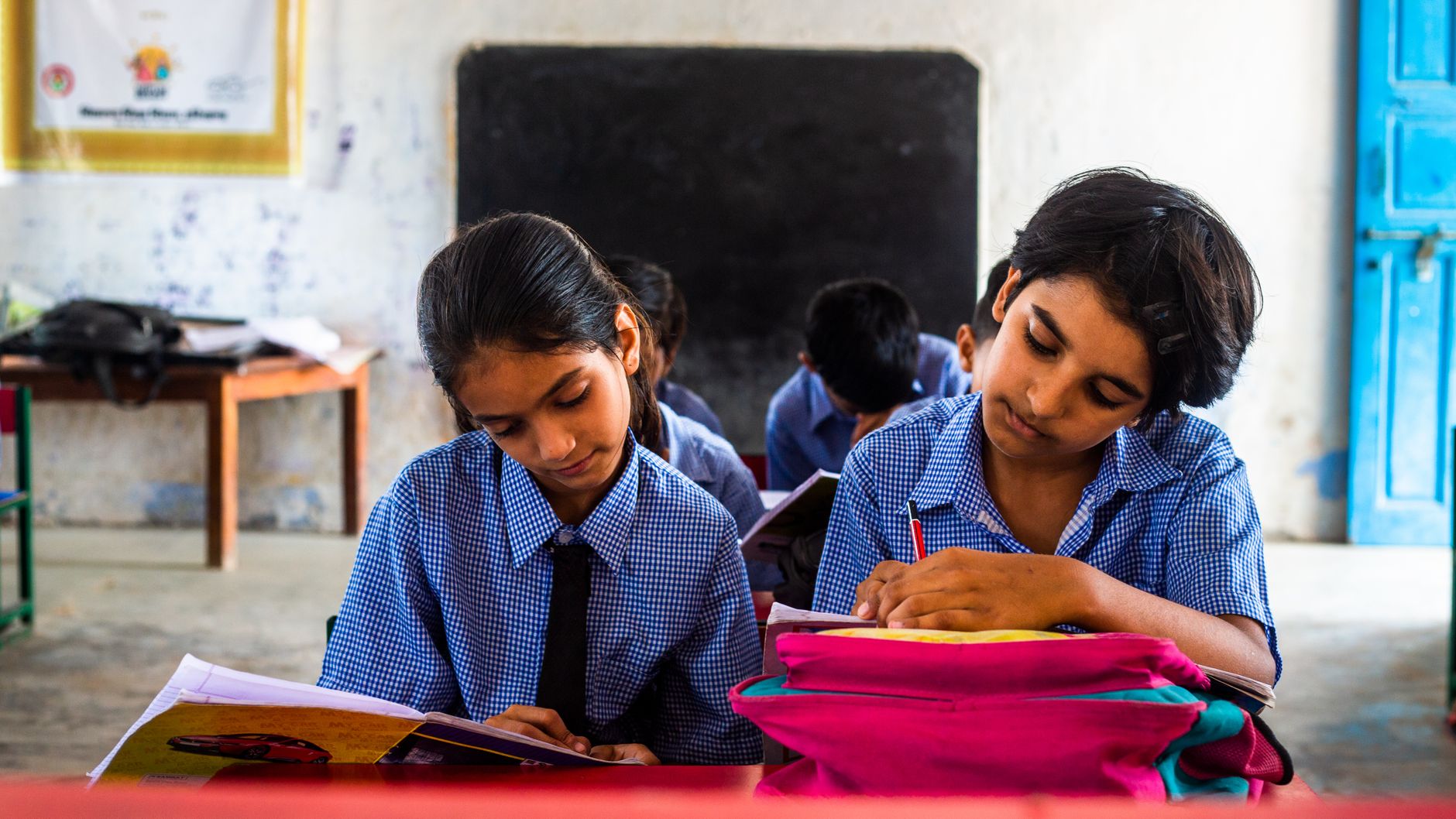
One of the policy’s primary objectives is to address the digital divide. According to a 2025 NITI Aayog report, only 37% of rural households had internet access. The government plans to collaborate with telecom providers to expand broadband connectivity to 95% of villages by 2028.
Special provisions have been made for students with disabilities and those in marginalized communities. The policy allocates Rs 5,000 crore for assistive technologies, such as screen readers and audio textbooks, and mandates inclusive design in all digital platforms.
Implementation Roadmap and Funding
The policy rollout will occur in three phases: pilot (2026), expansion (2027), and universalization (2028). The central government has earmarked Rs 45,000 crore over three years, with additional funding expected from state governments and international agencies, according to The Economic Times.
A Digital Education Task Force, comprising experts from academia, technology, and administration, will oversee implementation and monitor progress through annual audits. The policy also sets up a grievance redressal mechanism for students and teachers facing digital access issues.
Reactions from Stakeholders
The policy has received broad support from educationists and industry leaders. Dr. Anil Sahasrabudhe, Chairman of AICTE, called it a "game-changer for equitable learning." However, some teacher unions have expressed concerns about the pace of change and the need for robust training.
Parents’ associations have welcomed the move but urged the government to address issues of device affordability and data privacy. NGOs working in rural education, such as Pratham and Teach For India, have pledged to support digital literacy campaigns in partnership with local authorities.
Challenges Ahead
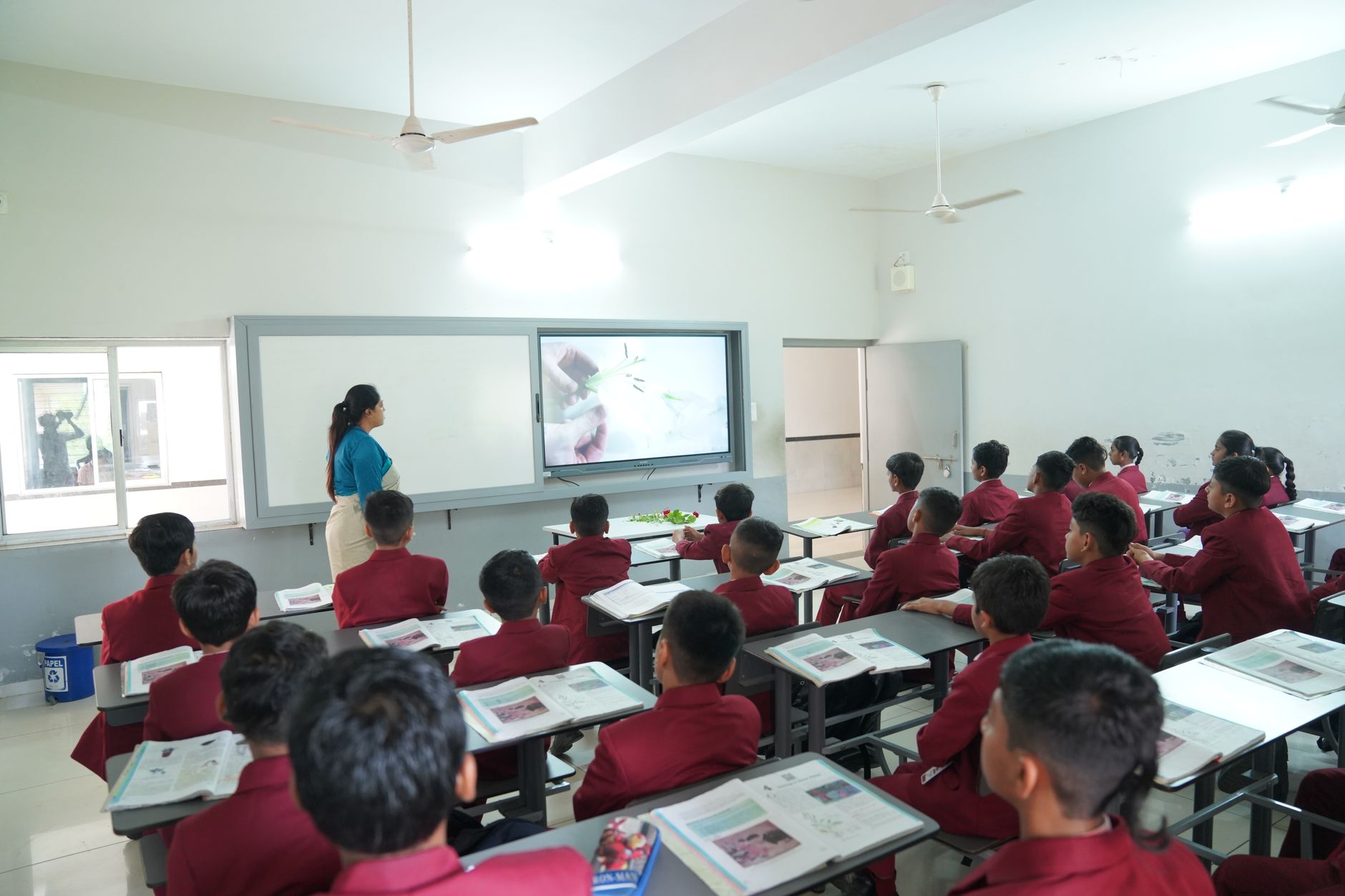
Experts warn of several hurdles, including infrastructure gaps, cybersecurity risks, and language barriers. According to a 2026 report by the Internet and Mobile Association of India, 22 official languages and hundreds of dialects pose content localization challenges.
Cybersecurity is another concern. The policy mandates regular audits of digital platforms and data protection training for staff, but experts from the Indian Computer Emergency Response Team (CERT-In) emphasize the need for continuous vigilance as more children come online.
Potential Impact on Learning Outcomes
If implemented effectively, the policy could significantly improve learning outcomes. Research by the Brookings Institution shows that digital tools can boost student engagement and retention, especially when combined with personalized instruction.
Government projections estimate a 30% increase in digital literacy rates among school leavers by 2030. The policy also aims to reduce dropout rates by making education more interactive and relevant to students’ lives and future careers.
What’s Next?
The first phase begins in August 2026, with 10,000 schools across 12 states selected for pilot implementation. The Ministry of Education will release quarterly progress reports and solicit feedback from stakeholders to refine the policy.
As India embarks on this ambitious digital education journey, the eyes of the world—and millions of students—will be watching closely. Success will depend on sustained investment, inclusive design, and the collective effort of government, educators, industry, and civil society.
Sources: Ministry of Education (India), UNESCO, The Economic Times, NITI Aayog, AICTE, Internet and Mobile Association of India, Brookings Institution, CERT-In.
Sources: Information sourced from the Ministry of Education (India), UNESCO, The Economic Times, NITI Aayog, and other credible education and technology reports.