
India unveils the National Education Policy 2026, introducing sweeping reforms across schools and universities. The policy emphasizes skill development, digital literacy, and inclusive education nationwide.
New Delhi, July 14, 2026 — The Indian government has officially launched the long-awaited National Education Policy 2026, introducing transformative reforms aimed at overhauling the country’s education system from primary schools to higher education institutions, according to The Economic Times.
The policy, approved by the Union Cabinet on July 13, marks the most significant shift in India’s education framework in over a decade. It seeks to address gaps in quality, access, and employability, while aligning Indian education with global standards.

Background: Decades in the Making
The National Education Policy 2026 builds upon the foundation laid by NEP 2020, which was the first comprehensive overhaul since 1986. Despite progress, challenges such as rote learning, outdated curricula, and inequity persisted, as highlighted in recent UNESCO and World Bank reports.
Over the past three years, the Ministry of Education conducted nationwide consultations with teachers, students, parents, and experts. The policy draft received over 2 million public comments, reflecting widespread engagement and anticipation.
Key Reforms: From Curriculum to Classrooms
One of the flagship reforms is the introduction of a competency-based curriculum, replacing rote memorization with critical thinking and problem-solving skills. According to the Ministry, new textbooks and assessment methods will be rolled out in the 2027-28 academic year.
The policy mandates a shift to a 5+3+3+4 school structure, mirroring global best practices. Early childhood care and education (ECCE) will now be universalized, with a focus on foundational literacy and numeracy for children aged 3-8.
Vocational education will be integrated from Grade 6 onwards, with students participating in hands-on projects and internships. The government aims for at least 50% of learners to have vocational exposure by 2030, as reported by The Hindu.

Digital Push: Bridging the Divide
The NEP 2026 emphasizes digital literacy and online learning. All schools will receive funding to upgrade digital infrastructure, and teachers will undergo mandatory training in digital pedagogy. The policy also introduces a National Digital Education Platform, providing free resources in 22 languages.
To address the digital divide, the government has allocated ₹15,000 crore for internet connectivity and device distribution in rural and underserved areas. According to NITI Aayog, this is expected to benefit over 40 million students.
Higher Education: Flexibility and Research
Universities will transition to a flexible four-year undergraduate program with multiple entry and exit options. The Academic Bank of Credits will allow students to transfer credits across institutions, facilitating lifelong learning.
Research and innovation are prioritized, with the creation of the National Research Foundation (NRF) to fund interdisciplinary projects. The government targets doubling research output by 2030, as outlined in the policy document.
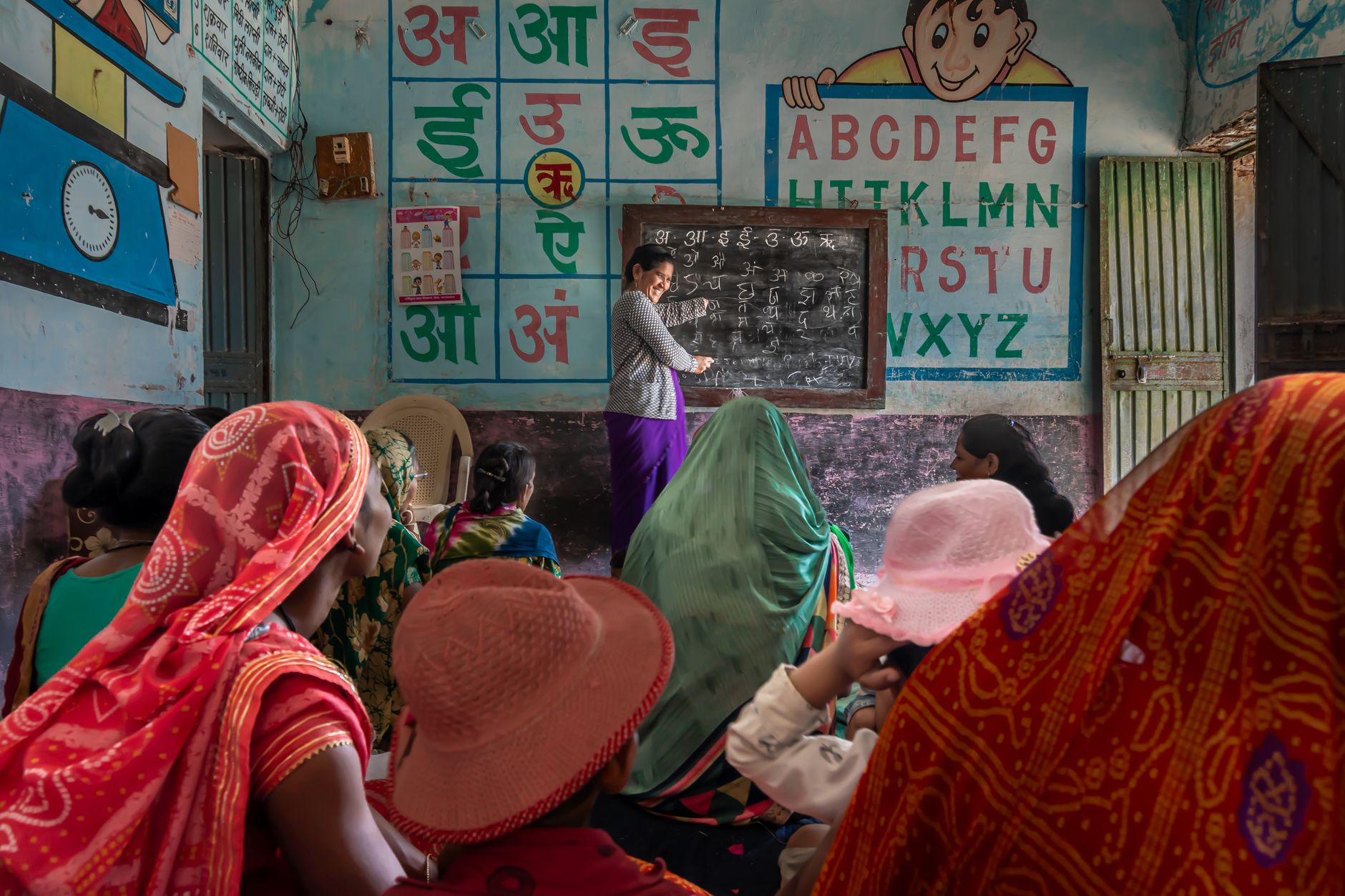
Inclusive and Equitable Education
The NEP 2026 introduces measures to support marginalized groups, including scholarships for girls, scheduled castes, and tribal students. Special education zones will be established in remote regions to improve access and retention.
The policy also mandates inclusive curricula, teacher sensitization, and barrier-free school infrastructure for children with disabilities. According to UNICEF India, these steps are crucial for achieving universal education.
Implementation Roadmap and Challenges
The Ministry of Education has outlined a phased implementation plan, starting with pilot programs in 10 states. A National Steering Committee will monitor progress and address bottlenecks.
Experts caution that effective execution will require robust teacher training, increased funding, and coordination across central and state governments. The All India Primary Teachers Federation has called for clarity on recruitment and workload.
Reactions: Applause and Critique
Education leaders have welcomed the reforms, citing their potential to modernize learning and boost employability. However, some civil society groups warn that digital initiatives may leave behind the most vulnerable unless inclusivity is prioritized.
Students and parents have expressed optimism about the new curriculum and flexibility, but concerns remain about assessment changes and university admissions. The Ministry has promised a nationwide awareness campaign to address queries.

Global Implications and Partnerships
International observers, including UNESCO and the World Bank, have praised India’s commitment to the UN Sustainable Development Goals (SDG 4: Quality Education). The policy encourages global collaborations and student exchanges.
Foreign universities will be allowed to set up campuses in India under regulated conditions, aiming to attract international talent and reverse brain drain. This move is expected to boost India’s standing in global education rankings.
What’s Next?
The next academic year will see the rollout of pilot programs, with full-scale implementation targeted for 2028. The Ministry will release annual progress reports and seek ongoing feedback from stakeholders.
As India embarks on this ambitious education overhaul, the world will be watching to see if the NEP 2026 can deliver on its promise of inclusive, future-ready learning for all.
Sources
References for this article include The Economic Times, The Hindu, Ministry of Education (India), UNESCO, World Bank, NITI Aayog, and UNICEF India.
Sources: Information sourced from The Economic Times, The Hindu, Ministry of Education (India), UNESCO, World Bank, NITI Aayog, and UNICEF India reports.