
India's government has announced sweeping updates to its National Education Policy (NEP) 2026, introducing major curriculum changes, digital integration, and new assessment methods to modernize learning nationwide.
New Delhi, April 4, 2026 — The Indian government today announced a sweeping set of reforms under its updated National Education Policy (NEP) 2026, aiming to modernize and standardize education across the country from primary schools to universities, according to the Ministry of Education.
The NEP 2026 update, revealed by Education Minister Dr. Radhika Menon at a press conference in New Delhi, introduces changes to curriculum structure, digital learning, teacher training, and student assessment. The reforms are set to impact over 250 million students nationwide, as reported by The Hindu.

Background: Building on NEP 2020
India’s original National Education Policy 2020 marked the first major overhaul in over three decades. NEP 2026 builds on those foundations, addressing gaps highlighted by educators, parents, and international benchmarking studies, according to The Economic Times.One of the key drivers for the new reforms was the need to align Indian education with global standards and the demands of a digital economy. The World Bank’s 2025 report ranked India 112th in global education quality, prompting calls for urgent action.
Key Features of NEP 2026
The new policy introduces a flexible 5+3+3+4 curricular structure, replacing the traditional 10+2 system. This approach is designed to accommodate early childhood education and make learning more holistic, according to the Ministry of Education.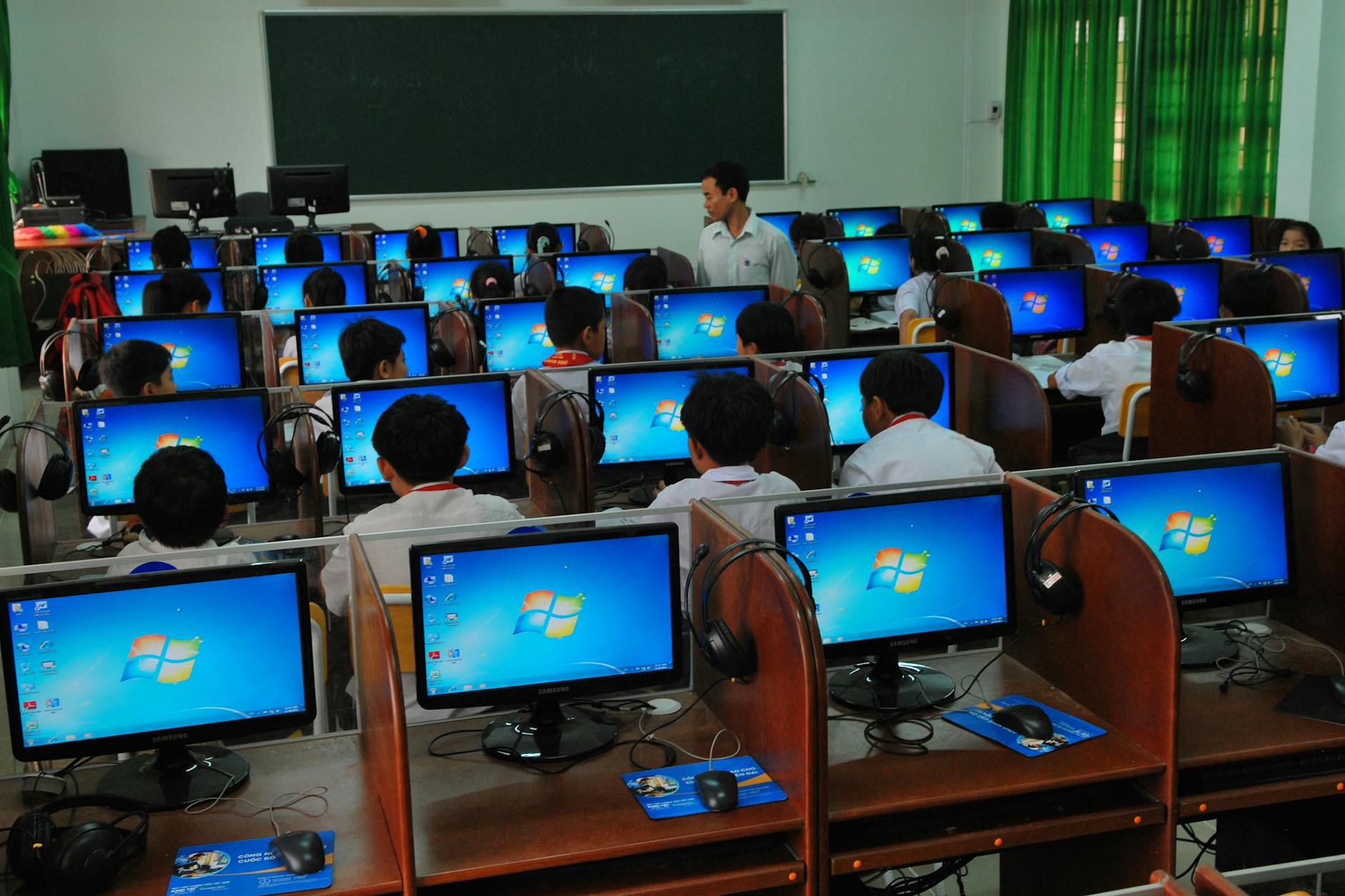
Digital integration is a central pillar. All government schools will receive high-speed internet and digital classrooms by 2028. The policy mandates the use of AI-powered adaptive learning platforms for core subjects starting in grade 6, as reported by NDTV.
Vocational education will begin as early as grade 6, with students required to complete at least one internship by grade 10. The government has partnered with over 100 industry leaders to facilitate work-based learning opportunities.
Assessment Reforms and Board Exams
NEP 2026 introduces continuous, competency-based assessments to reduce reliance on high-stakes board exams. Students will take modular board exams twice a year, with the best scores counted, according to The Indian Express.The Central Board of Secondary Education (CBSE) and state boards will align their assessment frameworks to focus on critical thinking, creativity, and problem-solving rather than rote memorization.
The policy also mandates the use of regional languages as the medium of instruction until grade 8, with English and Hindi taught as additional languages. This move aims to strengthen foundational literacy and cultural identity.
Teacher Training and Recruitment
NEP 2026 sets new standards for teacher qualifications and ongoing professional development. All teachers must complete 50 hours of annual training in digital pedagogy, inclusive education, and subject expertise, as outlined by the Ministry.A national teacher eligibility test will be standardized across states, and a new digital platform will match qualified educators with vacancies, aiming to address the chronic shortage of teachers in rural and remote areas.

Higher Education and Research
The reforms extend to universities, encouraging interdisciplinary studies and research. The policy sets a target for 50% of students in higher education to pursue multidisciplinary degrees by 2030, as reported by Times of India.The government will establish 25 new research universities and double funding for STEM (Science, Technology, Engineering, Mathematics) research, in partnership with international institutions.
Analysis: Opportunities and Challenges
Experts have welcomed the NEP 2026 reforms, calling them ambitious and necessary. Dr. Anil Kumar, education policy analyst at Delhi University, told Reuters that the focus on digital learning and assessment reform could "transform classroom dynamics and student outcomes."However, challenges remain. Implementation will require significant investment—estimated at ₹1.5 lakh crore (about $18 billion USD) over five years. Ensuring equitable access to digital resources in rural areas is a key concern, as highlighted by UNICEF.
Impact on Students, Teachers, and Parents
Students are expected to benefit from more personalized and practical learning experiences. Teachers will have access to new training and resources but may face pressure to adapt quickly. Parents have expressed cautious optimism, with some worried about increased screen time and others welcoming the focus on skills.Private schools and edtech companies are expected to play a larger role in delivering digital content and vocational programs. The government has promised strict quality controls to prevent commercial exploitation.
What’s Next?
The Ministry of Education will pilot NEP 2026 reforms in 10 states starting July 2026, with nationwide rollout scheduled for 2028. An independent review panel will monitor progress and recommend adjustments.Stakeholders are invited to submit feedback via the NEP 2026 portal. The government has pledged annual progress reports and transparent data on learning outcomes, aiming to make Indian education globally competitive by 2035.
Sources
Information for this article was sourced from the Ministry of Education, The Hindu, The Economic Times, NDTV, The Indian Express, Times of India, Reuters, and UNICEF.Sources: Information sourced from the Ministry of Education, The Hindu, The Economic Times, NDTV, The Indian Express, Times of India, Reuters, and UNICEF reports.