
Background: The Need for Reform
India’s education sector has long grappled with challenges such as outdated curricula, teacher shortages, and stark disparities between urban and rural schools. According to the Ministry of Education’s 2025 Annual Report, over 40% of rural schools lacked adequate digital infrastructure, and learning outcomes lagged global averages. The COVID-19 pandemic further exposed these weaknesses, prompting calls for systemic reform from educators, parents, and policymakers.
Key Features of the National Digital Education Policy 2026
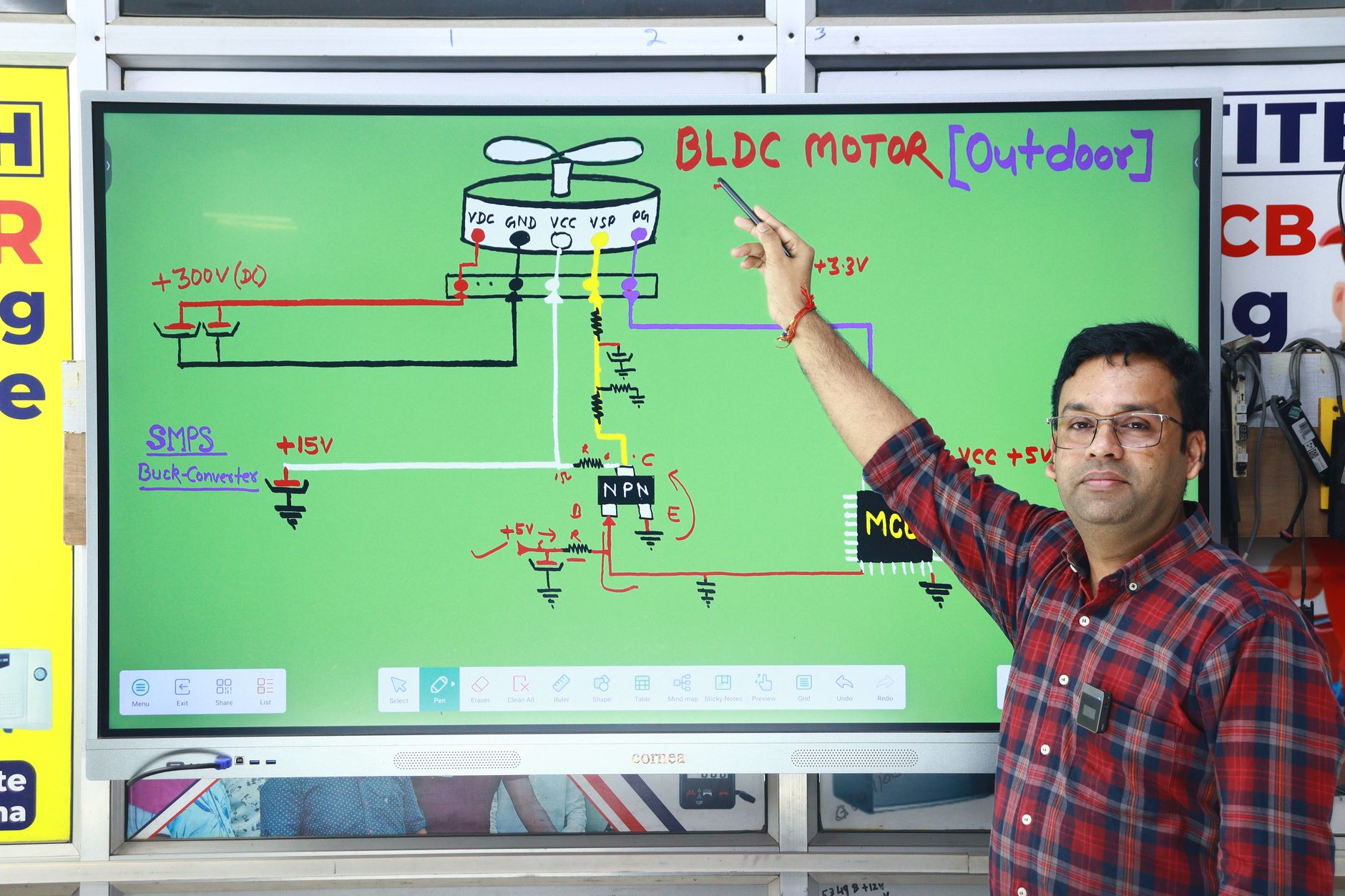
The NDEP introduces a comprehensive digital curriculum from grades 1 to 12, emphasizing STEM, coding, and digital literacy. All government schools will receive high-speed internet, smart boards, and tablets for students by 2028, according to the official policy document. The policy also mandates annual digital skills training for teachers and introduces a national e-learning platform, BharatLearn, to provide free resources in 22 regional languages.
Bridging the Digital Divide
One of the policy’s central goals is to bridge India’s digital divide. The government has allocated ₹50,000 crore ($6 billion USD) over five years to upgrade infrastructure in 250,000 rural schools, as reported by The Economic Times. The initiative includes solar-powered computer labs and subsidized internet access for low-income families, aiming to reach 80 million students by 2029.
Teacher Training and Professional Development
Recognizing the critical role of educators, the NDEP mandates a Digital Teaching Certificate for all teachers by 2027. The National Council for Teacher Education (NCTE) will oversee annual workshops and online modules, with a target of training 2 million teachers in the first phase, according to the Ministry of Education.
Curriculum Overhaul: Focus on Future Skills
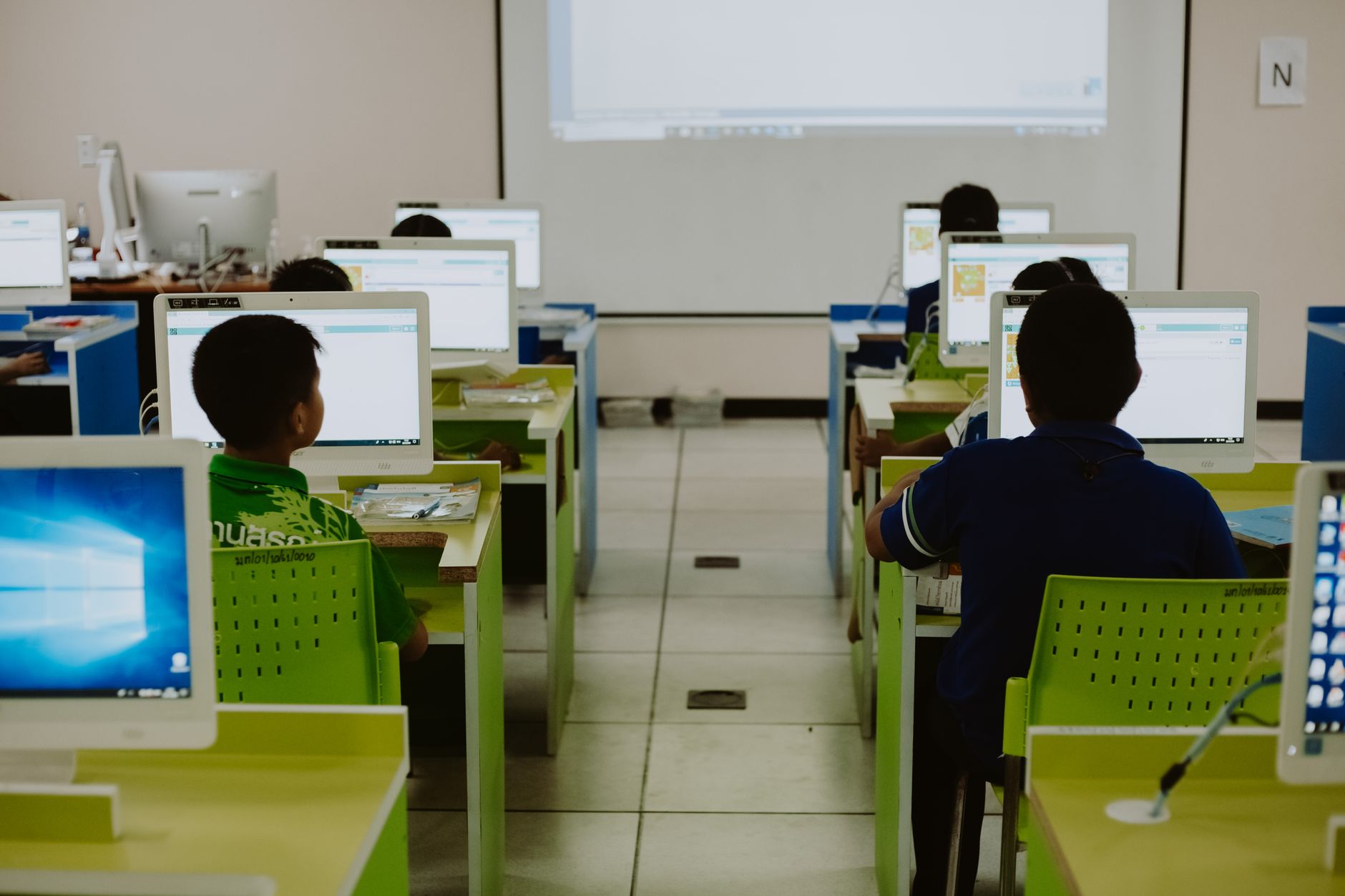
The new policy revises the national curriculum to prioritize coding, artificial intelligence, data science, and financial literacy from early grades. The Central Board of Secondary Education (CBSE) will pilot the updated syllabus in 500 schools this academic year, with nationwide rollout planned for 2027, The Hindu reports. Experts believe this shift aligns India’s education with global workforce demands.
Implementation Challenges
Despite ambitious targets, experts warn of significant hurdles. Dr. Ritu Mehra of the Indian Institute of Education Policy notes that teacher shortages, especially in rural areas, could slow progress. Additionally, reliable electricity and internet connectivity remain inconsistent in remote regions, a fact acknowledged by the Ministry’s own 2025 infrastructure survey.
Funding and Public-Private Partnerships
To address resource gaps, the government is encouraging public-private partnerships. Tech giants like Infosys and Google India have pledged support for digital content development and teacher training, according to Business Standard. The policy also incentivizes local startups to create regionally relevant educational apps and tools.

Equity and Inclusion Measures
The NDEP includes provisions for students with disabilities, such as screen readers, sign language modules, and accessible e-books. Special scholarships and mentorship programs will target girls and marginalized communities, aiming to reduce dropout rates by 30% over five years, as per the Ministry’s projections.
Early Reactions from Stakeholders
Reactions to the policy have been largely positive. The All India Parents Association welcomed the focus on digital access, while the National Teachers’ Union called for more clarity on workload and compensation. International observers, including UNESCO, praised India’s commitment to digital inclusion but urged robust monitoring and evaluation mechanisms.
Student Perspectives
Students in pilot schools report enthusiasm for new coding and robotics classes. "I never thought I’d learn to build an app in school," said Priya Singh, a grade 8 student in Lucknow, in an interview with NDTV. However, some students in remote areas voiced concerns about internet reliability and device availability.
Expert Analysis: Will the NDEP Deliver?
Policy analysts highlight the importance of sustained investment and local adaptation. Dr. Anil Kumar, an education economist at Delhi University, told The Indian Express that "success will depend on continuous teacher support and community engagement." He also emphasized the need for regular assessment of learning outcomes and infrastructure quality.
Impact on India’s Global Competitiveness
By aligning curricula with international standards and boosting digital literacy, India aims to prepare its youth for the global digital economy. The World Economic Forum’s 2026 Global Skills Report ranks India 92nd in digital skills, but officials hope the NDEP will propel the country into the top 50 by 2030.
Private Schools and EdTech Sector Response
Private schools and edtech startups have responded swiftly to the policy. Byju’s, Unacademy, and Vedantu announced plans to expand free offerings and collaborate with government platforms. Industry analysts predict a surge in edtech investment and innovation, especially in vernacular content and adaptive learning technologies.
Monitoring and Accountability
The NDEP establishes a National Digital Education Monitoring Authority (NDEMA) to track progress, audit spending, and publish annual reports. Parents and teachers can submit feedback through a new mobile app, ensuring transparency and accountability in implementation, according to the official press release.
What’s Next: Roadmap for the Coming Years
The rollout of NDEP will occur in phases, with 100 districts prioritized for infrastructure upgrades by March 2027. The government plans to review progress annually and adjust targets as needed. Education Minister Sharma emphasized that "continuous dialogue with stakeholders will guide future reforms."
International Collaboration
India is partnering with countries like Singapore, Finland, and the UK to exchange best practices in digital pedagogy. UNESCO and UNICEF will provide technical support and funding for pilot projects in underserved regions, as stated in the Ministry’s collaboration agreements.
Long-Term Vision
The NDEP aims to ensure that every Indian child, regardless of geography or background, has access to world-class digital education by 2032. Policymakers hope these reforms will not only boost academic achievement but also foster innovation and social mobility across the nation.
Sources
This article references data and statements from the Indian Ministry of Education, The Economic Times, The Hindu, NDTV, Business Standard, The Indian Express, UNESCO, and the World Economic Forum.
Sources: Information sourced from the Indian Ministry of Education, The Economic Times, The Hindu, NDTV, and UNESCO reports.