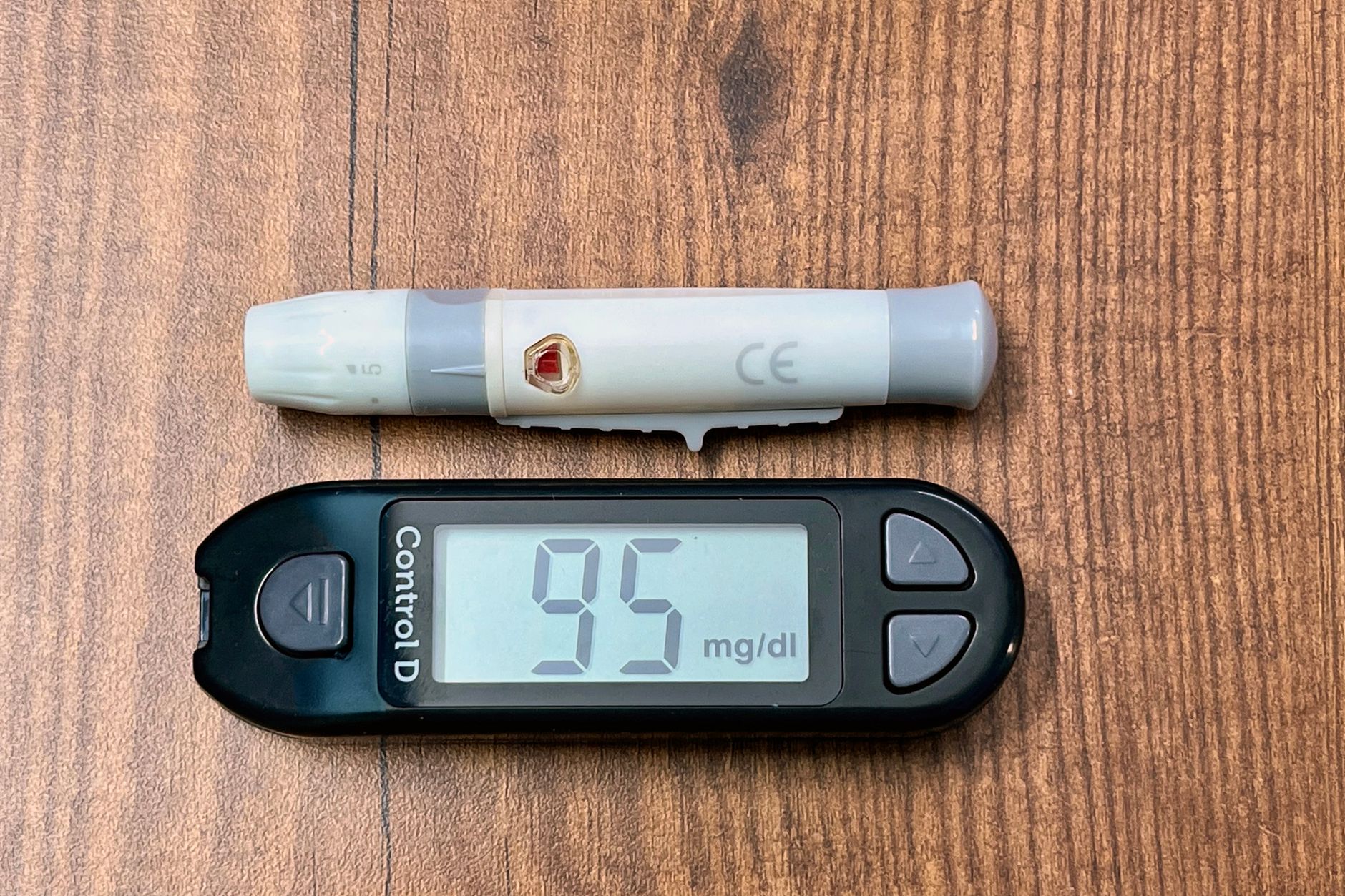
India’s Digital Health Mission, launched nationwide in July 2026, is revolutionizing healthcare delivery through digital records and telemedicine, promising improved access and efficiency but facing implementation hurdles.
New Delhi, July 8, 2026 — India’s ambitious Digital Health Mission, rolled out nationwide this month, is reshaping healthcare delivery by digitizing patient records and expanding telemedicine, aiming to bridge gaps in access and efficiency across the world’s most populous country.
The National Digital Health Mission (NDHM), first piloted in select states in 2023, was officially launched nationwide by the Ministry of Health and Family Welfare on July 1, 2026. The initiative seeks to provide every citizen with a unique health ID, digital health records, and access to a unified health platform, according to the Press Information Bureau.
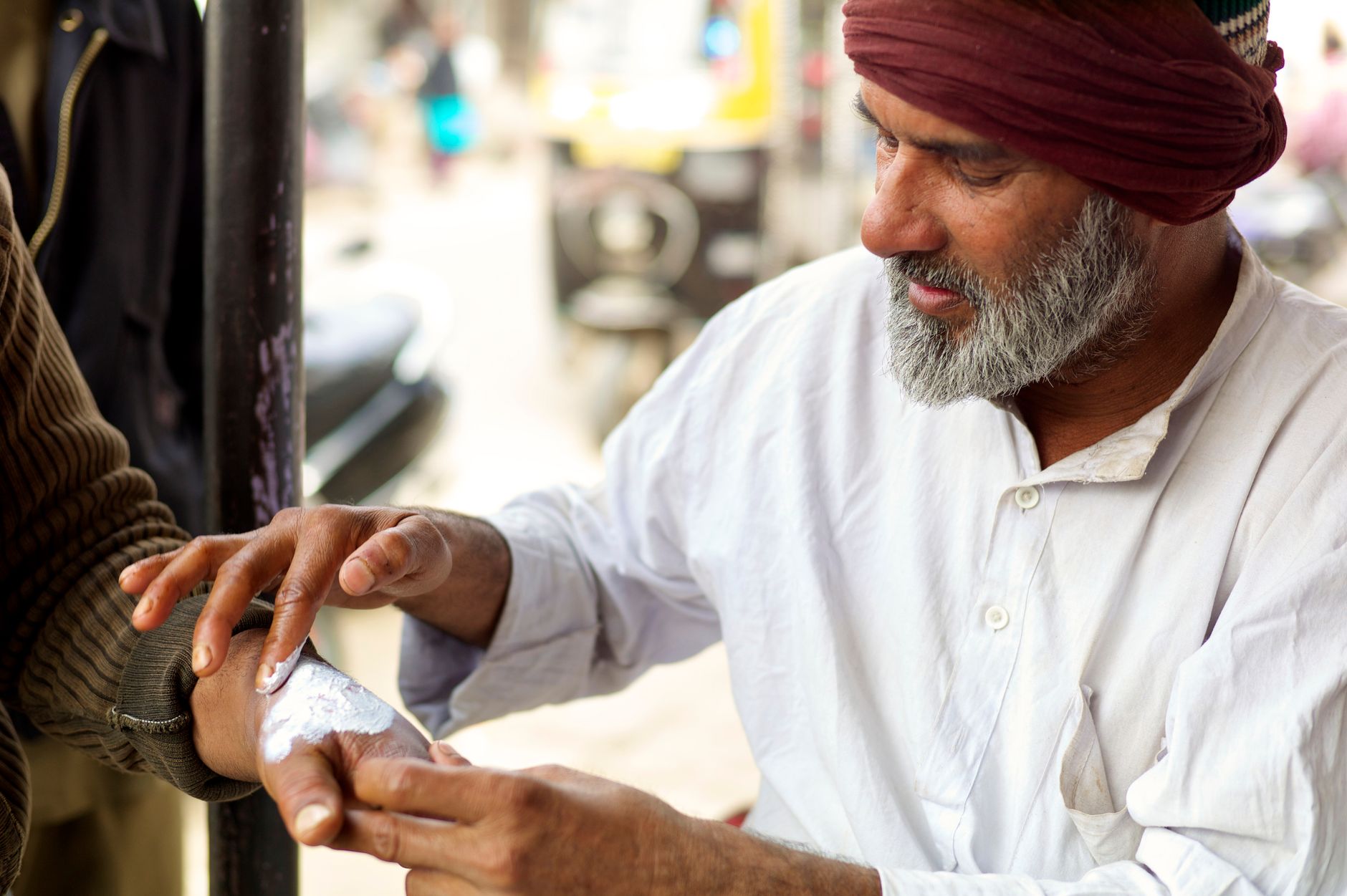
This policy implementation comes as India faces persistent challenges in healthcare delivery, including doctor shortages, rural-urban disparities, and fragmented patient data. The government asserts that digitalization will streamline services, reduce paperwork, and make quality care accessible for all, as reported by The Hindu.
Background: The Need for Digital Transformation
India’s healthcare system has long struggled with inefficiencies and inequities. According to the World Health Organization, India has only 1 doctor per 1,511 people, far below the WHO’s recommended ratio of 1:1000. Rural areas, home to over 65% of the population, often lack specialist care and reliable medical records.
The COVID-19 pandemic underscored the urgency for digital health solutions. During the crisis, telemedicine usage surged by 500% in urban centers, according to NITI Aayog, but rural uptake lagged due to connectivity and awareness issues. The NDHM aims to bridge these divides by standardizing and digitizing health data nationwide.
Key Features of the Digital Health Mission
Central to the NDHM is the creation of a unique Health ID for every citizen. This ID links to a digital health record accessible by patients and authorized providers. The platform also integrates telemedicine, e-pharmacy, and insurance services, creating a seamless digital ecosystem, as detailed in the government’s policy documents.

The government reports that over 120 million Health IDs have been generated since July 1, 2026. The platform supports 22 Indian languages and is accessible via web and mobile apps, ensuring inclusivity for diverse populations. Hospitals and clinics nationwide are being onboarded, with incentives for early adoption.
Implementation Challenges and Early Hurdles
Despite rapid enrollment, implementation has faced significant hurdles. Data privacy advocates have raised concerns over potential misuse of sensitive health data. The Internet Freedom Foundation has called for stronger safeguards and independent oversight to prevent breaches and misuse.
Technical challenges persist, especially in rural regions with limited internet connectivity. According to a report by The Economic Times, only 47% of rural households have reliable internet access. Healthcare workers are undergoing training to use digital tools, but digital literacy remains a barrier for many patients.
Early Impact: Successes and Setbacks

Initial data from the Ministry of Health shows a 35% increase in telemedicine consultations in the first week of July 2026, compared to June. Urban hospitals report faster patient processing and reduced paperwork, while rural clinics note improved access to specialist advice through teleconsultations.
However, some states report delays in onboarding smaller clinics and private practitioners. The Indian Medical Association notes that 42% of private clinics in tier-2 and tier-3 cities have yet to fully integrate with the NDHM platform, citing technical and financial constraints.
Analysis: Stakeholder Perspectives
Healthcare providers generally welcome the move, citing potential for reduced duplication of tests and better continuity of care. Patients, especially in urban areas, appreciate the convenience of digital records and teleconsultations. However, concerns over data security and digital divide remain prominent.
Policy analysts highlight the need for robust data protection laws and ongoing investment in digital infrastructure. According to a Brookings India report, sustained government funding and public-private partnerships will be crucial to ensure equitable access and long-term success.
What’s Next: Scaling and Safeguarding the Mission
The Ministry of Health has announced plans to expand the NDHM platform to include mental health services and integrate with the Ayushman Bharat insurance scheme by the end of 2026. The government is also working with state governments to improve last-mile connectivity and digital literacy.
Experts say the next six months will be critical for the mission’s success. Monitoring and evaluation mechanisms are being set up to track outcomes, address bottlenecks, and ensure that the digital transition benefits all segments of society, as reported by The Times of India.
Sources
Information for this article was sourced from the Press Information Bureau, The Hindu, The Economic Times, WHO, NITI Aayog, Internet Freedom Foundation, Brookings India, and The Times of India.Sources: Information sourced from Press Information Bureau, The Hindu, The Economic Times, WHO, NITI Aayog, Internet Freedom Foundation, Brookings India, and The Times of India.