
India's National Green Hydrogen Mission, launched in 2023, aims to revolutionize energy production. This article analyzes its implementation, challenges, and early impacts on industry and climate goals.
India's National Green Hydrogen Mission, launched in January 2023, is reshaping the country's energy landscape, with major policy initiatives already impacting industry, investment, and climate action as of July 2026.
The mission, announced by Prime Minister Narendra Modi, aims to make India a global hub for green hydrogen production and export. It seeks to reduce dependence on fossil fuels, cut carbon emissions, and create new economic opportunities.
Background: India’s Energy Challenge
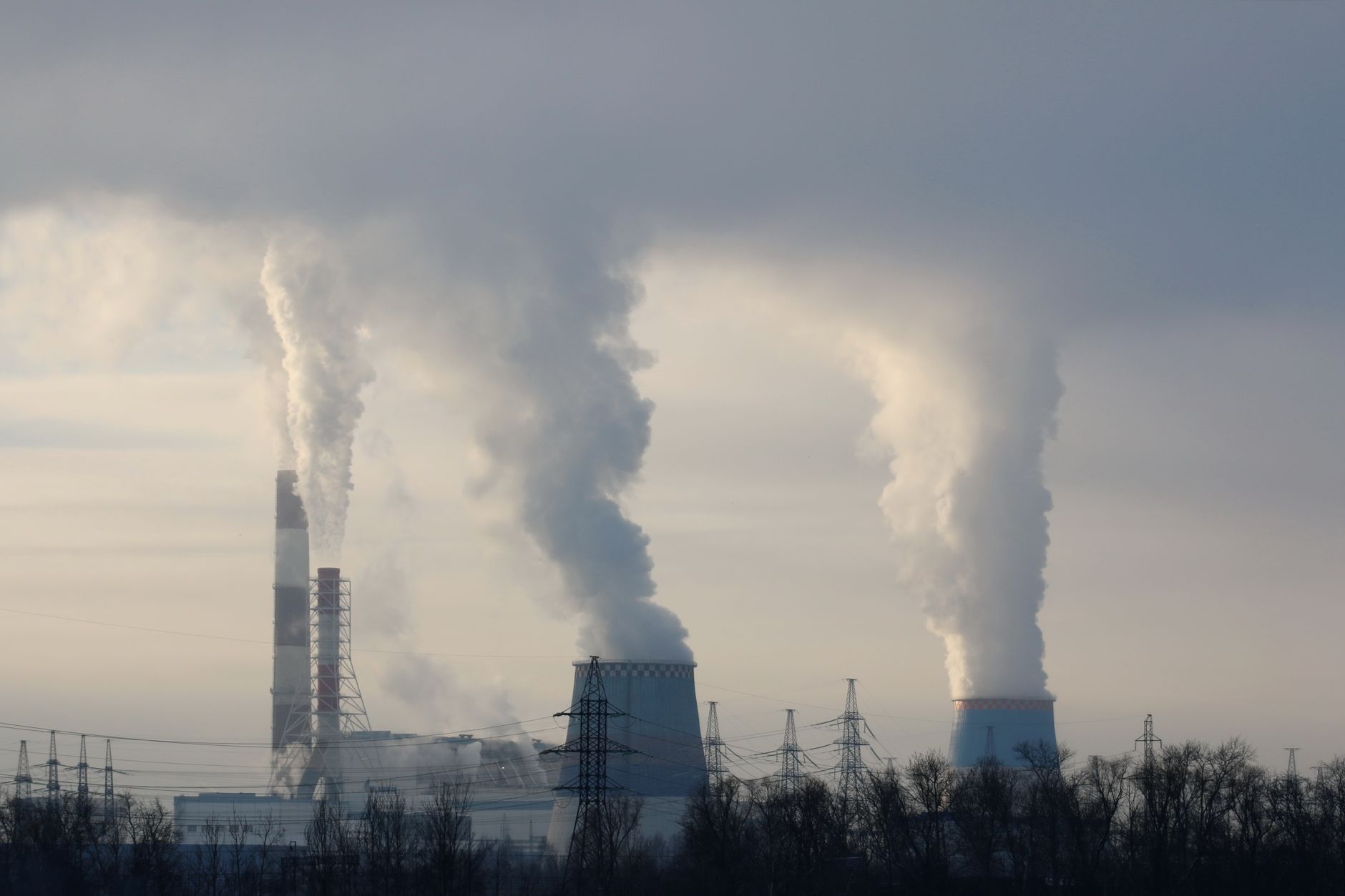
India is the world’s third-largest energy consumer, with over 70% of its electricity generation coming from coal as of 2022, according to the International Energy Agency (IEA). The country faces rising energy demand, urbanization, and international pressure to decarbonize.India’s commitment under the Paris Agreement includes reducing the carbon intensity of its GDP by 45% by 2030, compared to 2005 levels. The government has set a target of achieving net-zero emissions by 2070, making energy sector reform critical.
What is Green Hydrogen?
Green hydrogen is produced by splitting water using renewable electricity, emitting no greenhouse gases. Unlike 'grey' hydrogen, which is derived from fossil fuels, green hydrogen offers a sustainable alternative for hard-to-abate sectors like steel, fertilizers, and heavy transport.According to the Ministry of New and Renewable Energy (MNRE), India currently consumes about 6 million tonnes of hydrogen annually, mostly produced from natural gas. The mission aims to shift this to green hydrogen by 2030.

Key Policy Measures and Implementation
The National Green Hydrogen Mission allocates ₹19,744 crore (approximately $2.4 billion) for research, pilot projects, and incentives. The policy includes production-linked incentives (PLIs), mandates for green hydrogen purchase, and support for electrolyzer manufacturing.The government has identified four key pillars: demand creation, supply chain development, research and innovation, and enabling policy frameworks. State governments, including Gujarat and Tamil Nadu, have announced dedicated green hydrogen parks and industrial clusters.
Industry Response and Investment
Major Indian conglomerates like Reliance Industries, Adani Group, and Indian Oil Corporation have announced multi-billion-dollar investments in green hydrogen. According to The Economic Times, over $10 billion in private sector commitments have been made since 2023.International players, including TotalEnergies and BP, have signed joint ventures with Indian firms. The World Bank approved a $1.5 billion loan in 2024 to support India’s renewable energy transition, with a focus on green hydrogen infrastructure.

Early Impacts and Achievements
By July 2026, India has commissioned over 1 GW of electrolyzer capacity, according to MNRE data. Pilot projects in steel plants, fertilizer factories, and city buses are underway in states like Maharashtra and Odisha.Exports have begun on a small scale, with the first shipment of green ammonia sent to Japan in March 2026, as reported by Reuters. The government estimates the creation of 100,000 new jobs directly and indirectly linked to the sector.
Challenges and Bottlenecks
Despite progress, the mission faces hurdles. High costs of electrolyzers, limited domestic manufacturing, and the need for massive renewable energy expansion are key challenges, according to a report by NITI Aayog.Grid integration and water availability for electrolysis are also concerns, especially in arid regions. Industry leaders have called for faster regulatory clearances and stable long-term policy signals to attract global capital.
Environmental and Social Considerations
Green hydrogen production requires significant water resources. The government is promoting seawater desalination and water recycling to minimize environmental impact, as outlined in the MNRE’s 2025 guidelines.Social groups have raised concerns about land acquisition for large-scale renewable energy parks. The Ministry of Environment has issued new guidelines to ensure community participation and fair compensation.
Global Context and Competitiveness
India’s green hydrogen push comes amid a global race, with the EU, US, and China also investing heavily. According to the International Renewable Energy Agency (IRENA), India’s cost advantage in renewables could make it a leading exporter by 2030.The International Energy Agency projects global green hydrogen demand to reach 150 million tonnes by 2030. India aims to capture at least 10% of this market, leveraging its solar and wind resources.
What’s Next?
The government plans to scale up incentives, expand R&D funding, and launch a national certification scheme for green hydrogen by late 2026. The next phase includes integrating hydrogen into railways and aviation fuel blends.Sources: This article is based on data and reporting from Reuters, The Economic Times, Ministry of New and Renewable Energy (India), International Energy Agency, and NITI Aayog.
Sources: Information sourced from Reuters, The Economic Times, Ministry of New and Renewable Energy (India), and International Energy Agency reports.