
India has announced its National Education Policy 2026, introducing major reforms in curriculum, digital access, and teacher training to address equity, employability, and global competitiveness in education.
India’s Ministry of Education unveiled the National Education Policy (NEP) 2026 on March 12, 2026, in New Delhi, announcing sweeping reforms aimed at equity, digital access, and global competitiveness in India's education system.
The NEP 2026 replaces the 2020 policy, responding to rapid technological change and persistent gaps in educational quality. The new policy was crafted after extensive consultations with educators, state governments, and international experts, according to The Hindu.

Background: Why a New Policy?
India’s education sector has faced challenges including digital divides, outdated curricula, and teacher shortages. The COVID-19 pandemic exposed and exacerbated these issues, prompting urgent calls for reform. According to UNESCO, over 247 million Indian students were affected by school closures in 2020.The NEP 2020 had introduced progressive changes, but critics noted slow implementation and persistent inequities. The new 2026 policy aims to address these gaps, focusing on inclusivity, employability, and technology integration, as reported by The Economic Times.
Key Reforms in NEP 2026
The NEP 2026 introduces a competency-based curriculum from kindergarten to grade 12, emphasizing critical thinking, digital literacy, and environmental education. The Ministry of Education states that the new curriculum will be rolled out in phases starting July 2026.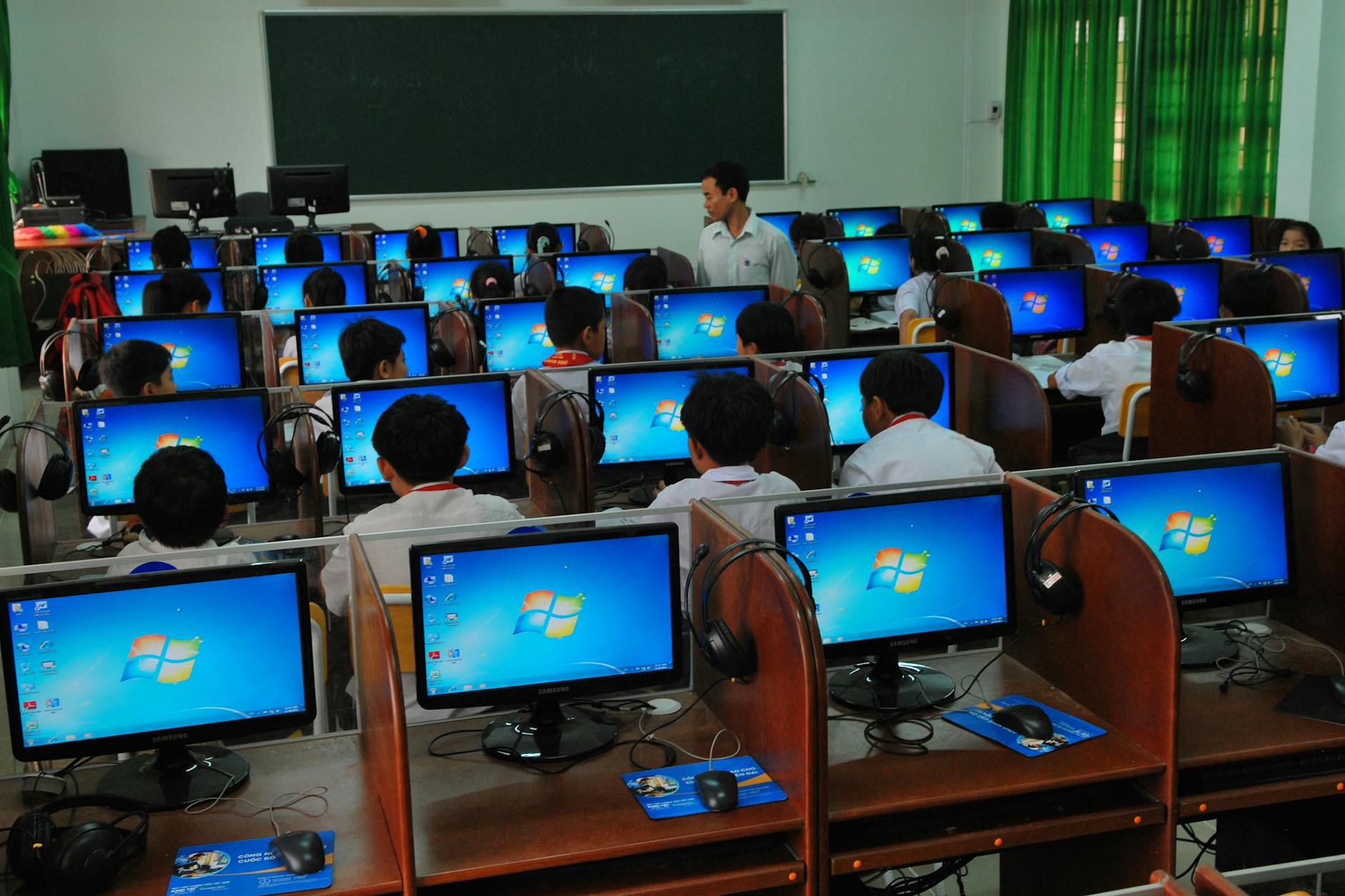
A major highlight is the Digital Bharat Classroom initiative, aiming to provide every public school with high-speed internet, smart boards, and access to national e-learning platforms. The government has allocated ₹25,000 crore for digital infrastructure in the 2026-27 budget.
The policy mandates teacher training in digital pedagogy and inclusive education. All teachers must complete 60 hours of annual professional development, focusing on technology use, special needs inclusion, and multilingual instruction, according to the Ministry’s press release.
Equity and Access Measures
NEP 2026 places special emphasis on bridging urban-rural and gender gaps. The policy introduces scholarships for girls and marginalized groups, and mandates gender-neutral school facilities. According to the Indian Express, 30% of new scholarships will be reserved for students from Scheduled Castes and Tribes.To address regional disparities, the policy supports recruiting 100,000 teachers for rural and tribal areas by 2028. The government will also expand midday meal programs and provide free digital devices to 10 million students from low-income families.
Higher Education and Employability
In higher education, NEP 2026 proposes flexible degree structures, industry partnerships, and a national credit bank. Universities will offer modular courses, allowing students to accumulate credits and transfer between institutions, as detailed by The Times of India.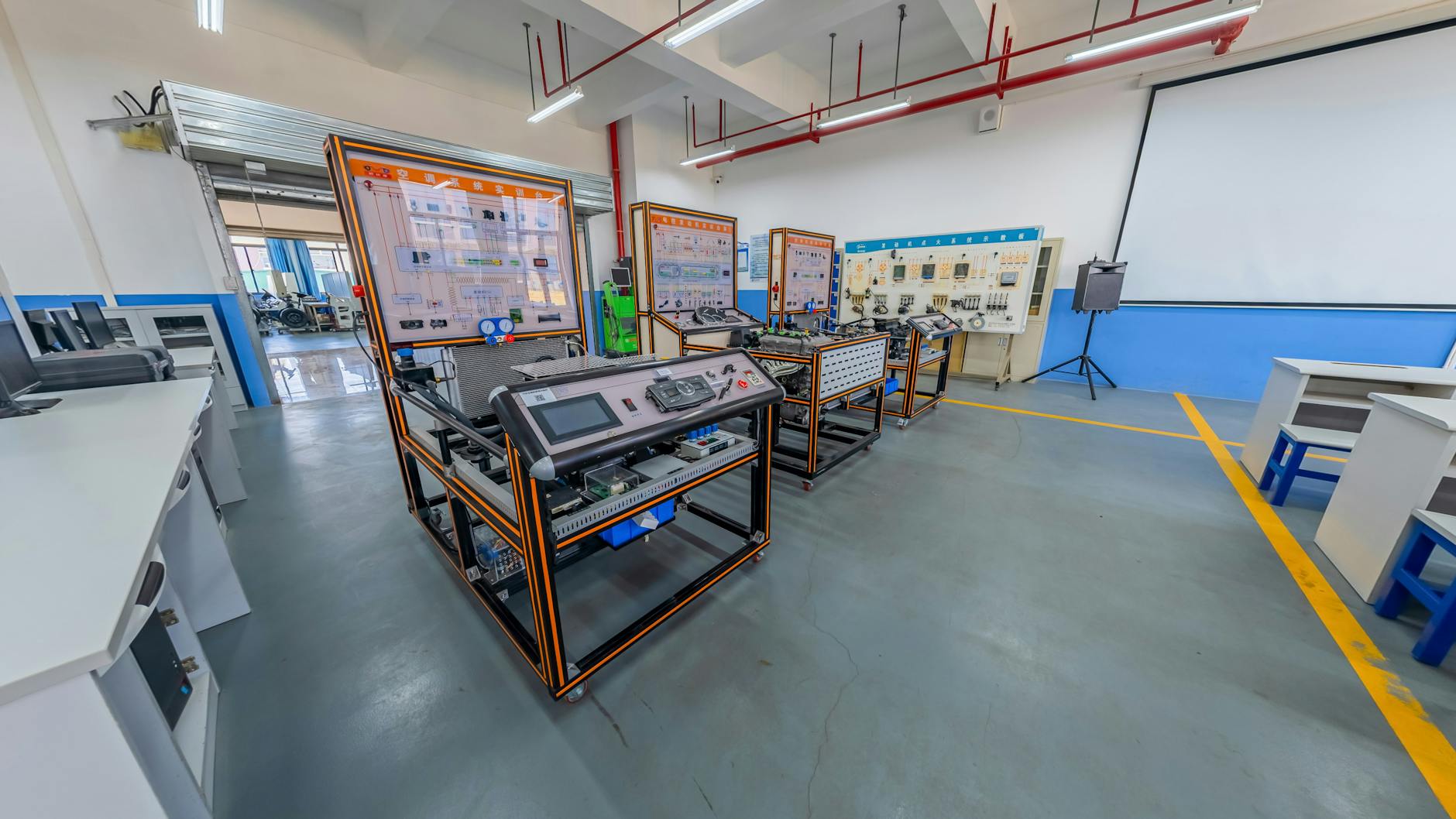
Vocational education is set to become mainstream, with the goal of 50% of students gaining practical skills by 2030. The policy encourages collaboration with industries for internships and apprenticeships, aiming to reduce graduate unemployment, which stood at 17.8% in 2025 according to CMIE.
Implementation Timeline and Challenges
The government has set a five-year timeline for full implementation, with annual reviews and state-level adaptation. However, education experts warn that success will depend on funding, coordination, and political will, as noted by the Observer Research Foundation.Some states have expressed concerns about centralization and the feasibility of digital rollouts in remote areas. The Ministry has promised flexibility for states to adapt the policy to local contexts, aiming to avoid past implementation bottlenecks.
Stakeholder Reactions
Teachers’ unions have welcomed the focus on training and digital resources, but urge clarity on workload and pay. Student groups have praised the scholarship provisions, while NGOs stress the need for robust monitoring to ensure marginalized communities benefit.International education experts, including UNESCO and the World Bank, have lauded NEP 2026’s focus on digital equity and skills. However, they caution that sustained investment and public-private partnerships will be crucial for long-term impact.

Potential Impact on India’s Education Landscape
Analysts predict that NEP 2026 could transform India’s education system, making it more inclusive, technology-driven, and globally relevant. If implemented effectively, the policy could help India achieve its Sustainable Development Goals in education by 2030.The reforms are expected to boost digital literacy, reduce dropout rates, and improve learning outcomes. According to the Ministry, the goal is to increase India’s literacy rate from 77.7% to 90% by 2030, and to halve the gender gap in secondary education enrollment.
What’s Next?
The Ministry of Education will release detailed guidelines and state roadmaps in April 2026. Pilot projects in 10 states will begin in June, with national rollout scheduled for July. Annual progress reports will be published to ensure transparency and accountability.Education experts emphasize the importance of community participation and feedback in ensuring the reforms meet local needs. The government has launched a public portal for suggestions and grievances, aiming to foster broad-based support for the NEP 2026 agenda.
Sources: Information for this article was drawn from The Hindu, The Economic Times, The Indian Express, The Times of India, UNESCO, CMIE, and the Ministry of Education’s official releases.
Sources: Information sourced from The Hindu, The Economic Times, The Indian Express, The Times of India, UNESCO, CMIE, and official Ministry of Education releases.