
India unveils its National Education Policy 2026, introducing sweeping reforms in curriculum, technology integration, and teacher training to modernize learning and address workforce demands.
India announced its National Education Policy 2026 on February 24, 2026, introducing sweeping reforms aimed at modernizing classrooms, overhauling curricula, and preparing students for a rapidly changing workforce, according to The Economic Times.
The new policy, approved by the Union Cabinet, marks the most significant overhaul of India’s education system in decades. It seeks to address persistent gaps in learning outcomes, digital literacy, and employability, as reported by The Hindu.

Background: Decades of Calls for Reform
India’s education system, serving over 250 million students, has long faced criticism for rote learning, outdated curricula, and insufficient teacher training. Previous policies, including NEP 2020, laid the groundwork for change but left many challenges unresolved.In recent years, global shifts toward digital learning and demands for 21st-century skills have intensified pressure on policymakers. According to UNESCO, Indian students lag behind global peers in critical thinking and digital competencies.
Key Features of the 2026 Policy
The NEP 2026 introduces a competency-based curriculum, emphasizing critical thinking, creativity, and problem-solving. The Ministry of Education states that rote memorization will be phased out in favor of project-based assessments.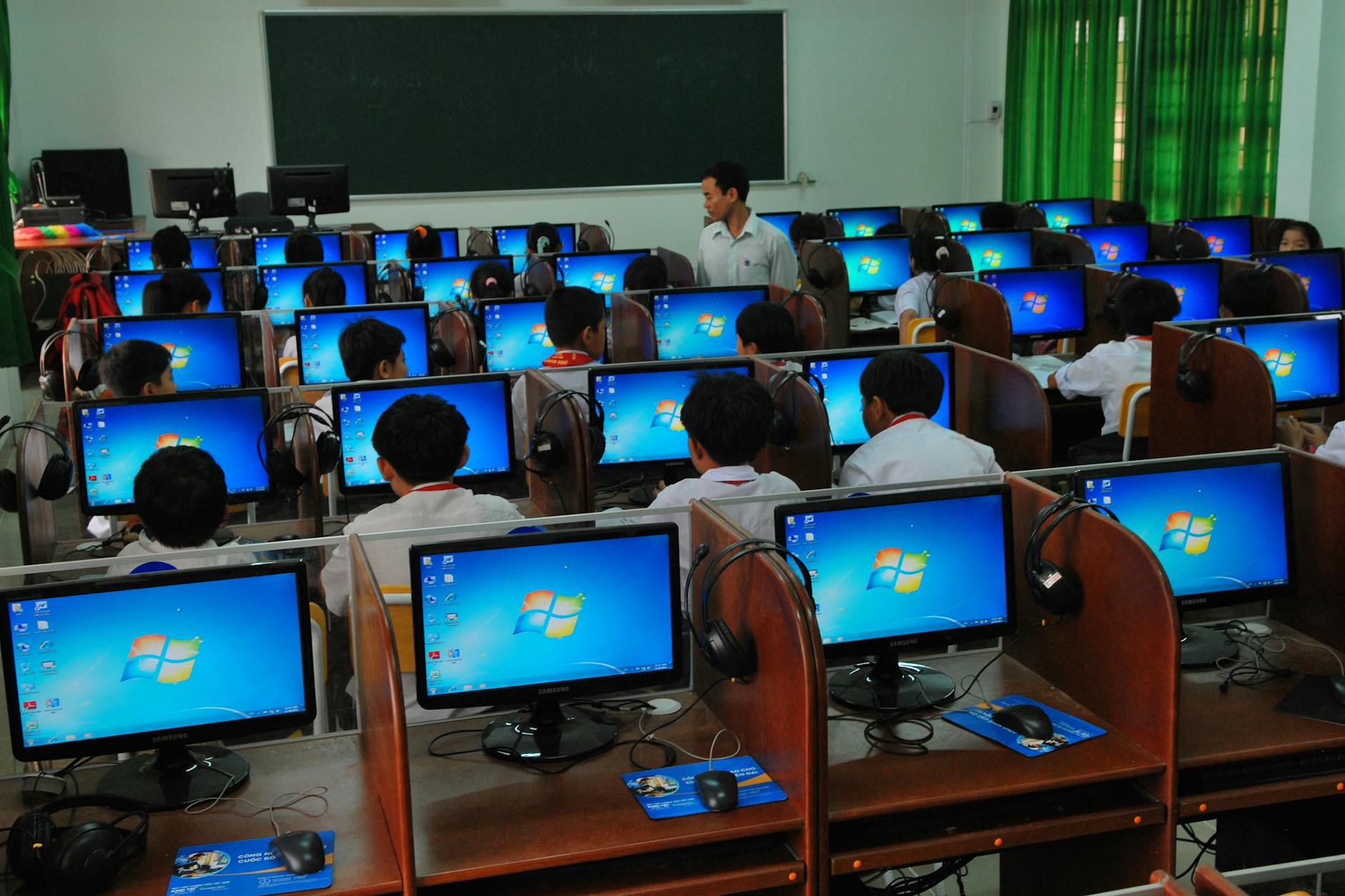
A major highlight is the integration of technology in classrooms. The policy mandates digital infrastructure upgrades in all government schools by 2028, with a focus on rural and underserved regions, according to The Indian Express.
Teacher training will also see a major overhaul. The government plans to launch a National Teacher Development Program, aiming to retrain 5 million educators in digital pedagogy and inclusive teaching methods by 2030.
Focus on Multilingualism and Local Contexts
The policy promotes multilingual education, encouraging instruction in regional languages until Grade 5. This move, supported by linguistic experts, aims to improve comprehension and retention among young learners.Vocational education is set to become mainstream, with mandatory skill-based courses introduced from Grade 6 onwards. The Confederation of Indian Industry (CII) has welcomed this step, citing the need for a workforce equipped with practical skills.
Funding and Implementation Roadmap
The government has allocated ₹1.2 trillion for the first phase of implementation, as per the Ministry of Finance. Funds will be distributed to states based on performance metrics and infrastructure gaps.A National Education Technology Platform (NETP) will be launched to provide digital resources, teacher training modules, and student assessments. The platform is expected to go live by early 2027.
Challenges and Criticisms
Despite broad support, some educators express concerns about implementation. The All India Primary Teachers Federation warns that rural schools may struggle with digital transitions due to connectivity issues.Education activists also highlight the risk of increased disparities if resource allocation is uneven. According to Oxfam India, previous digital initiatives failed to reach the most marginalized students.

Expected Impact on Students and Society
Experts predict that the reforms will boost India’s global competitiveness. The World Bank estimates that improved learning outcomes could add $200 billion to India’s GDP by 2040.Parents and students have responded positively to the focus on skills and technology. A survey by LocalCircles found that 78% of parents support the shift toward project-based learning and digital integration.
International Perspective
Global education leaders have praised the NEP 2026. UNICEF’s India representative called it “a bold step toward inclusive, future-ready education.” Several countries, including Singapore and Finland, have offered technical assistance for implementation.The policy’s emphasis on multilingualism and local context is seen as a model for other multilingual nations. UNESCO notes that mother-tongue instruction in early years improves literacy rates and long-term academic achievement.
What’s Next?
The Ministry of Education will release detailed implementation guidelines in March 2026. State governments are expected to submit action plans by June, with pilot programs launching in select districts by August.Stakeholder consultations will continue throughout the year. The government has set up an independent monitoring committee to track progress and address challenges in real time.
Sources: Information for this article was sourced from The Economic Times, The Hindu, The Indian Express, UNESCO, UNICEF, World Bank, Oxfam India, and the Ministry of Education.
Sources: Information sourced from The Economic Times, The Hindu, The Indian Express, UNESCO, UNICEF, World Bank, Oxfam India, and official statements from the Ministry of Education.