
India's 2026 solar subsidy policy aims to revolutionize rural electrification, promising affordable energy, economic upliftment, and environmental benefits. This case study examines its rollout, challenges, and projected impact.
India's government launched a sweeping solar subsidy scheme in January 2026, targeting rural electrification across 100,000 villages, aiming to provide affordable, sustainable energy and boost local economies, according to The Economic Times.
The ambitious policy, officially named the Pradhan Mantri Surya Urja Yojana (PMSUY), was announced by Prime Minister Narendra Modi during a national address on January 12, 2026. The scheme pledges direct subsidies for solar panel installations, focusing on underserved rural regions.
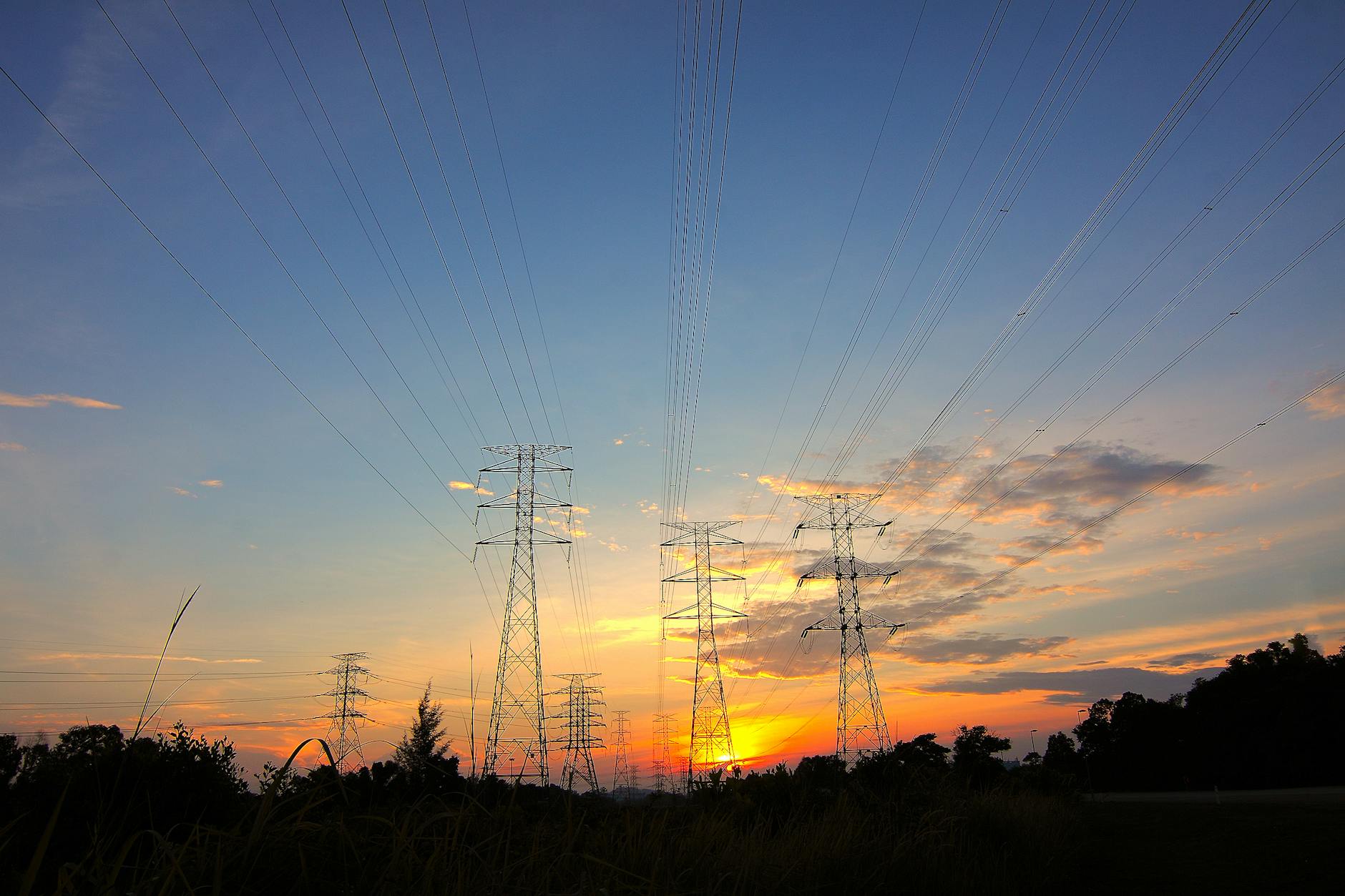
India's rural electrification has long faced challenges. According to the Ministry of Power, over 30 million rural households still lacked reliable electricity as of late 2025. Past efforts, such as the Saubhagya scheme, made progress but fell short of universal access.
The new PMSUY policy aims to fill these gaps by offering up to 60% subsidies on solar home systems and microgrids. The government allocated ₹25,000 crore (approximately $3 billion) for the current fiscal year, as reported by Reuters.
Background: The Need for Rural Electrification
Rural India has historically lagged behind urban areas in energy access. According to the World Bank, reliable electricity is critical for education, healthcare, and economic development. Frequent outages and high costs have hindered rural progress.
In 2025, the International Energy Agency (IEA) reported that 18% of India's rural population still depended on kerosene or biomass for lighting. These sources are expensive, polluting, and dangerous, underscoring the urgent need for sustainable solutions.
Key Details of the PMSUY Policy
The PMSUY provides tiered subsidies: up to 60% for households below the poverty line, 40% for marginal farmers, and 30% for small businesses. Installation is managed by certified local agencies, ensuring quality and job creation.
Beneficiaries receive rooftop solar panels, battery storage, and basic wiring. The policy also includes maintenance support for five years, reducing long-term costs for rural families.

The government partnered with private solar firms, such as Tata Power and Adani Green Energy, to streamline procurement and logistics. According to Business Standard, over 2 million solar kits were distributed in the scheme's first month.
Implementation Challenges
Despite rapid rollout, the scheme faces hurdles. Logistics in remote areas, lack of skilled technicians, and resistance from local diesel generator suppliers have slowed progress in some states, according to The Hindu.
Corruption and misallocation of subsidies are also concerns. The Comptroller and Auditor General (CAG) of India has announced surprise audits to ensure transparency and accountability in fund disbursement.
Impact: Early Signs and Projections
Preliminary data from the Ministry of New and Renewable Energy (MNRE) shows that over 5 million rural homes gained electricity access in January 2026 alone. School attendance in electrified villages reportedly increased by 8%, as per UNICEF India.
Small businesses, such as cold storage units and agro-processing mills, have begun operating longer hours, boosting local incomes. The Indian Council of Agricultural Research (ICAR) projects a 12% rise in rural productivity by year-end.

Environmental benefits are significant. The scheme is expected to reduce annual carbon emissions by 7 million metric tons, according to Greenpeace India. This aligns with India's COP28 commitments to expand renewable energy.
Analysis: Lessons and Global Relevance
Experts see the PMSUY as a potential model for other developing nations. The World Bank notes that India's approach—combining direct subsidies, private partnerships, and local job creation—addresses both access and sustainability.
However, analysts warn that long-term success depends on continued funding, community engagement, and robust maintenance networks. Past solar initiatives in Africa faltered when post-installation support was lacking, as highlighted by the IEA.
What’s Next for the Solar Subsidy Scheme?
The government plans to expand the scheme to semi-urban areas by late 2026. New pilot projects will integrate solar with smart microgrids and energy storage, aiming for 24/7 power in remote communities.
International observers, including the United Nations Development Programme (UNDP), are monitoring outcomes to inform similar policies in Africa and Southeast Asia. India’s progress will be reviewed at the G20 Energy Ministers’ meeting in September 2026.
The PMSUY’s success or failure will shape India’s energy landscape for decades. Its impact on rural livelihoods, environmental goals, and global energy policy will be closely watched in the coming months.
Sources: The Economic Times, Reuters, Ministry of Power, World Bank, International Energy Agency, Business Standard, The Hindu, Comptroller and Auditor General of India, Ministry of New and Renewable Energy, UNICEF India, Indian Council of Agricultural Research, Greenpeace India, United Nations Development Programme.
Sources: Information sourced from The Economic Times, Reuters, Ministry of Power, World Bank, and other official reports.