
Instagram unveils a sweeping update introducing AI-driven content moderation, advanced creator monetization tools, and privacy enhancements, aiming to reshape user safety and engagement on the platform in 2026.
Instagram announced a major platform update on April 2, 2026, introducing AI-powered content moderation, new creator monetization tools, and enhanced privacy features, aiming to boost safety and engagement for its 2.5 billion users worldwide.
The update, rolled out globally, marks Instagram's largest feature expansion since 2023. According to Meta, Instagram’s parent company, these changes respond to rising concerns over online safety, misinformation, and the evolving needs of digital creators.
Background: Growing Pressure for Safer Social Platforms
Instagram has faced mounting scrutiny from regulators and advocacy groups over content moderation and user privacy. In 2025, the European Union fined Meta €350 million for inadequate protection against hate speech and misinformation, as reported by Reuters.In the US, the Federal Trade Commission (FTC) opened investigations into social media algorithms and their impact on teens’ mental health. Instagram’s latest update appears to address these regulatory pressures while keeping pace with competitors like TikTok and Snapchat.
AI-Powered Content Moderation: How It Works
The centerpiece of the update is an advanced AI moderation system. According to Meta, the new AI scans images, videos, and captions in real time, flagging harmful content including hate speech, graphic violence, and misinformation.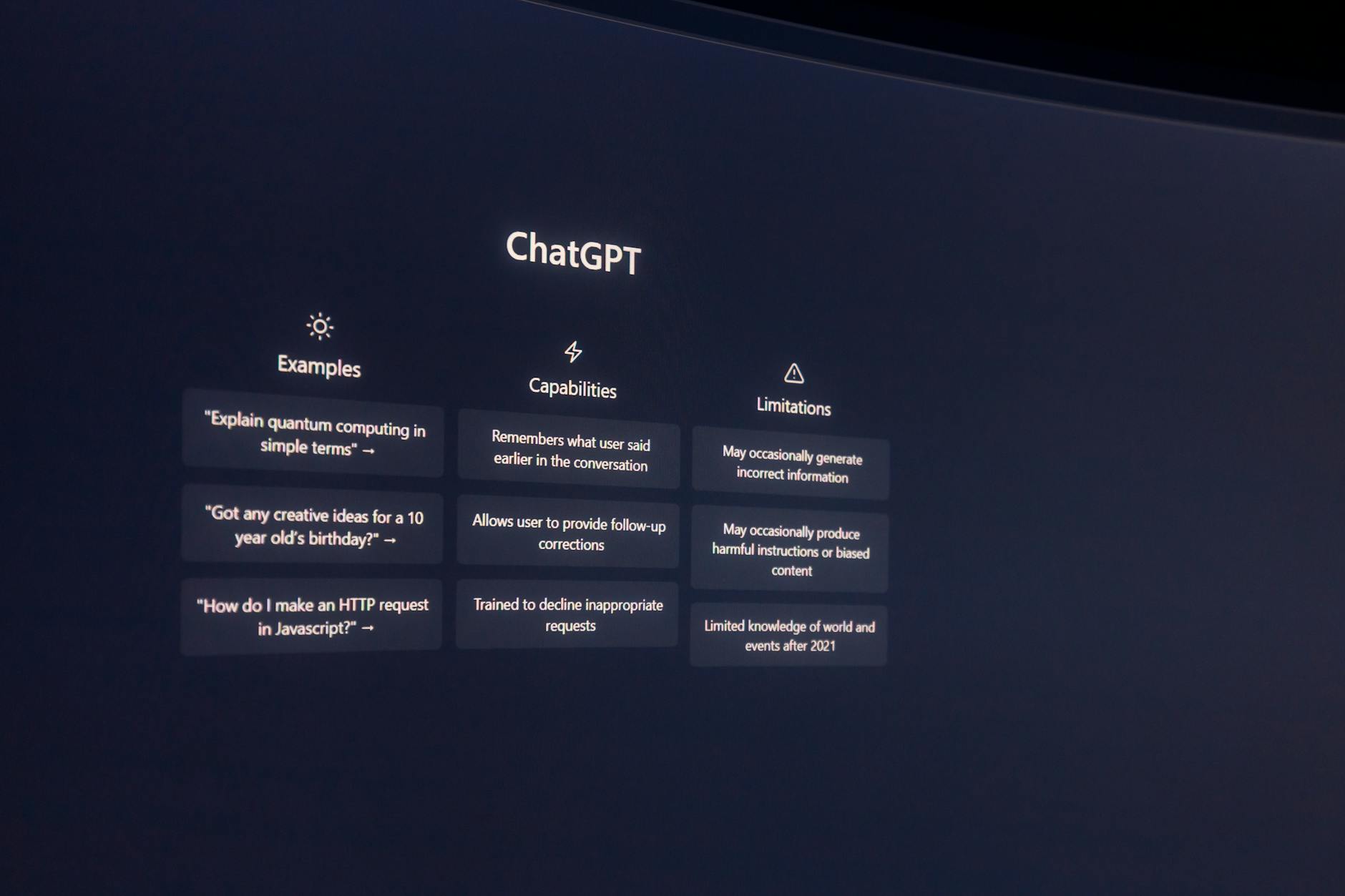
Meta claims the system uses a hybrid approach, combining machine learning with human review for edge cases. Early testing in select regions reduced policy violations by 38% and cut response times to flagged content from hours to minutes, according to The Verge.
Transparency and User Appeals
For the first time, Instagram will notify users when their content is flagged or removed, providing detailed explanations and a streamlined appeal process. This move follows criticism over opaque moderation decisions, as noted by The Economic Times.Users can now track the status of appeals within the app. Meta says this feature is designed to build trust and reduce frustration among creators and everyday users.
New Creator Monetization Tools
Instagram’s update introduces several tools for creators to earn revenue. The most notable is 'Fan Subscriptions,' allowing followers to pay a monthly fee for exclusive content, similar to Patreon’s model.
Other features include expanded in-app shopping, branded content partnerships, and a new analytics dashboard. According to TechCrunch, Instagram will take a 10% commission on subscription revenues, lower than industry rivals.
Impact on the Creator Economy
Influencers and digital entrepreneurs have welcomed the changes. Data from Influencer Marketing Hub shows that over 60% of creators surveyed plan to use the new monetization features within the first three months.Experts suggest these tools could help Instagram retain top talent and compete with TikTok, which recently expanded its own creator fund. The move is expected to drive up engagement and time spent on the platform.

Enhanced Privacy and Safety Controls
The update also brings new privacy options, including granular controls over who can view stories, message the user, or tag them in posts. Parents can now set time limits and monitor their teens’ activity via a dedicated Family Center.Instagram has added end-to-end encryption for all direct messages, a feature long requested by privacy advocates. Meta says user data will not be used for ad targeting without explicit consent, aligning with new EU regulations.
Industry and Regulatory Reactions
Early feedback from digital rights groups has been cautiously optimistic. The Electronic Frontier Foundation praised the transparency improvements but urged Meta to publish independent audits of the AI moderation system.Regulators in Europe and the US are reviewing the update’s compliance with recent laws. The FTC told The New York Times it will monitor the rollout to ensure user protections are effective and enforceable.
What’s Next for Instagram?
Meta plans to roll out additional AI features later in 2026, including real-time translation and accessibility tools for visually impaired users. The company says it will continue to refine moderation algorithms based on user feedback and regulatory guidance.Industry analysts predict that Instagram’s update will set a new standard for social media platforms. According to Forrester Research, success will depend on consistent enforcement and transparent communication with users.
Sources
This article references reporting and data from Reuters, The Verge, The Economic Times, TechCrunch, Influencer Marketing Hub, The New York Times, and Forrester Research.Sources: Information sourced from Reuters, The Verge, The Economic Times, TechCrunch, and other leading industry reports.