
ISRO has launched Chandrayaan-4, aiming for India’s first lunar sample return from the Moon’s south pole. The mission marks a major leap in India’s space technology ambitions.
Bengaluru, July 18, 2026 — The Indian Space Research Organisation (ISRO) has achieved a major milestone with the successful launch of Chandrayaan-4, its most ambitious lunar mission to date, targeting the Moon’s south pole for a historic sample return, according to ISRO’s official press release.
The Chandrayaan-4 mission lifted off from the Satish Dhawan Space Centre at 9:12 AM IST, riding atop the GSLV Mk IV heavy-lift rocket. This marks India’s first attempt to bring back lunar soil and rock samples, a feat previously accomplished only by the United States, Russia, and China.
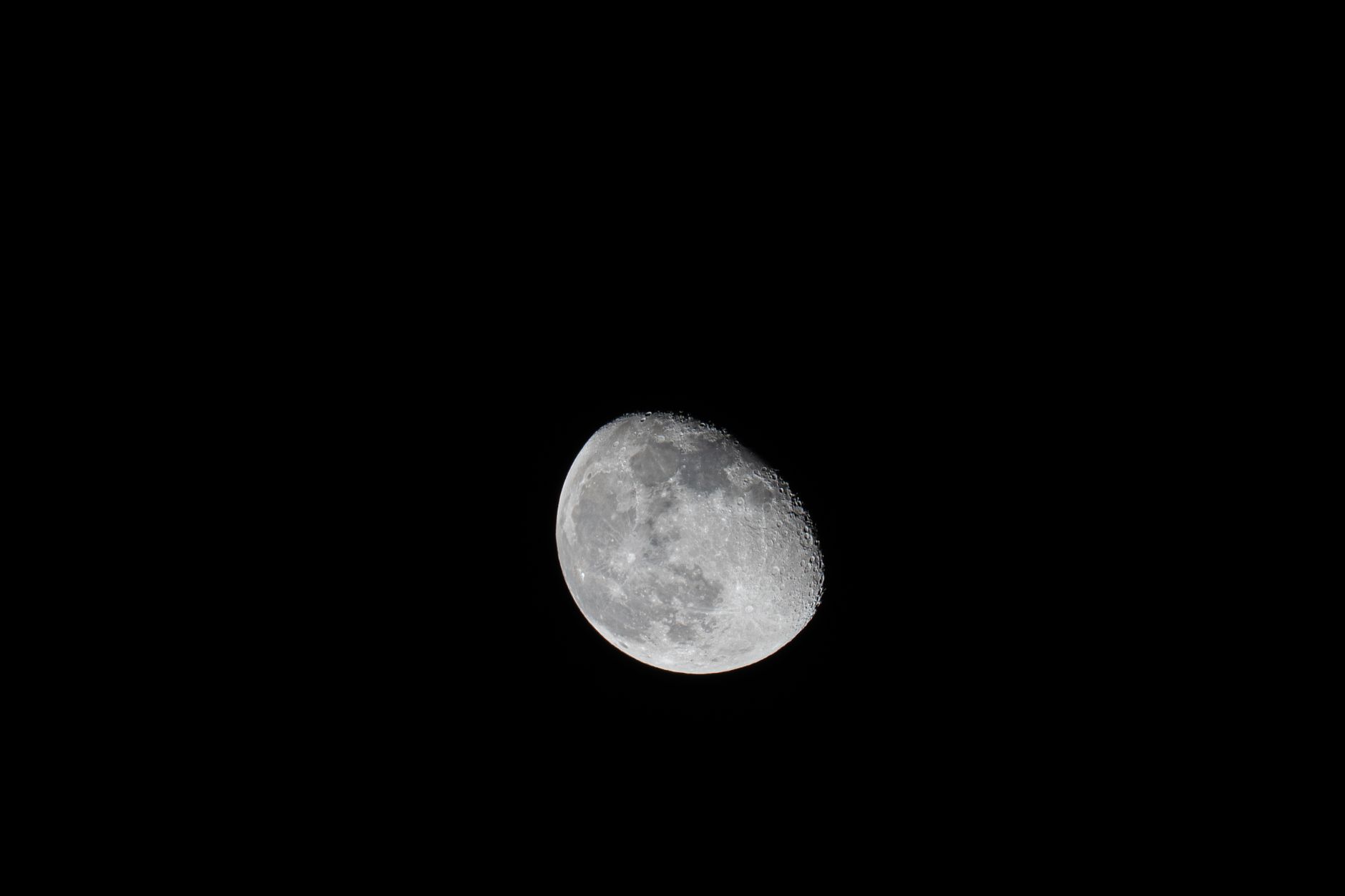
The mission is designed to land a robotic probe near the Shackleton Crater, a region of immense scientific interest due to its permanently shadowed areas believed to contain water ice, as reported by The Hindu. The probe will collect up to 2 kilograms of regolith and rock samples for return to Earth.
Background: India’s Lunar Ambitions
India’s lunar journey began with Chandrayaan-1 in 2008, which confirmed the presence of water molecules on the Moon, according to NASA. Chandrayaan-2 in 2019 attempted a soft landing but lost contact during descent. Chandrayaan-3 in 2023 achieved a successful landing near the lunar south pole, paving the way for Chandrayaan-4’s advanced objectives.
The Chandrayaan-4 mission builds on these successes, incorporating lessons learned and technological advancements, such as improved autonomous landing systems and enhanced thermal shielding, as detailed by ISRO’s mission briefings.
Mission Objectives and Technology
Chandrayaan-4’s primary goal is to collect and return samples from the lunar south pole, an area largely unexplored by previous missions. The lander is equipped with a robotic arm, a drill capable of reaching depths of up to 1 meter, and instruments to analyze the composition of the regolith onsite, according to ISRO’s technical documentation.

The orbiter component will relay communications and conduct high-resolution mapping of the landing site. The sample return capsule is designed to survive the harsh lunar environment and re-entry into Earth’s atmosphere, using heat-resistant materials developed by the Vikram Sarabhai Space Centre.
International Collaboration and Support
ISRO has collaborated with the European Space Agency (ESA) for deep space tracking and with NASA for calibration of scientific instruments, as confirmed by joint statements from both agencies. The mission also carries payloads from the Japan Aerospace Exploration Agency (JAXA) to study lunar surface radiation.
Such international cooperation underscores India’s growing role in global space exploration and its capability to lead complex interplanetary missions, as noted by The Economic Times.
Key Mission Phases
After launch, Chandrayaan-4 will spend five days in Earth orbit before performing a trans-lunar injection. The spacecraft is expected to enter lunar orbit on July 25, 2026, with landing scheduled for August 3, 2026, according to ISRO’s mission timeline.
Once landed, the probe will operate for 14 Earth days, collecting samples and conducting in-situ experiments. The ascent module will then launch from the lunar surface, rendezvous with the orbiter, and transfer the sample return capsule for its journey back to Earth.
Scientific and Strategic Impact
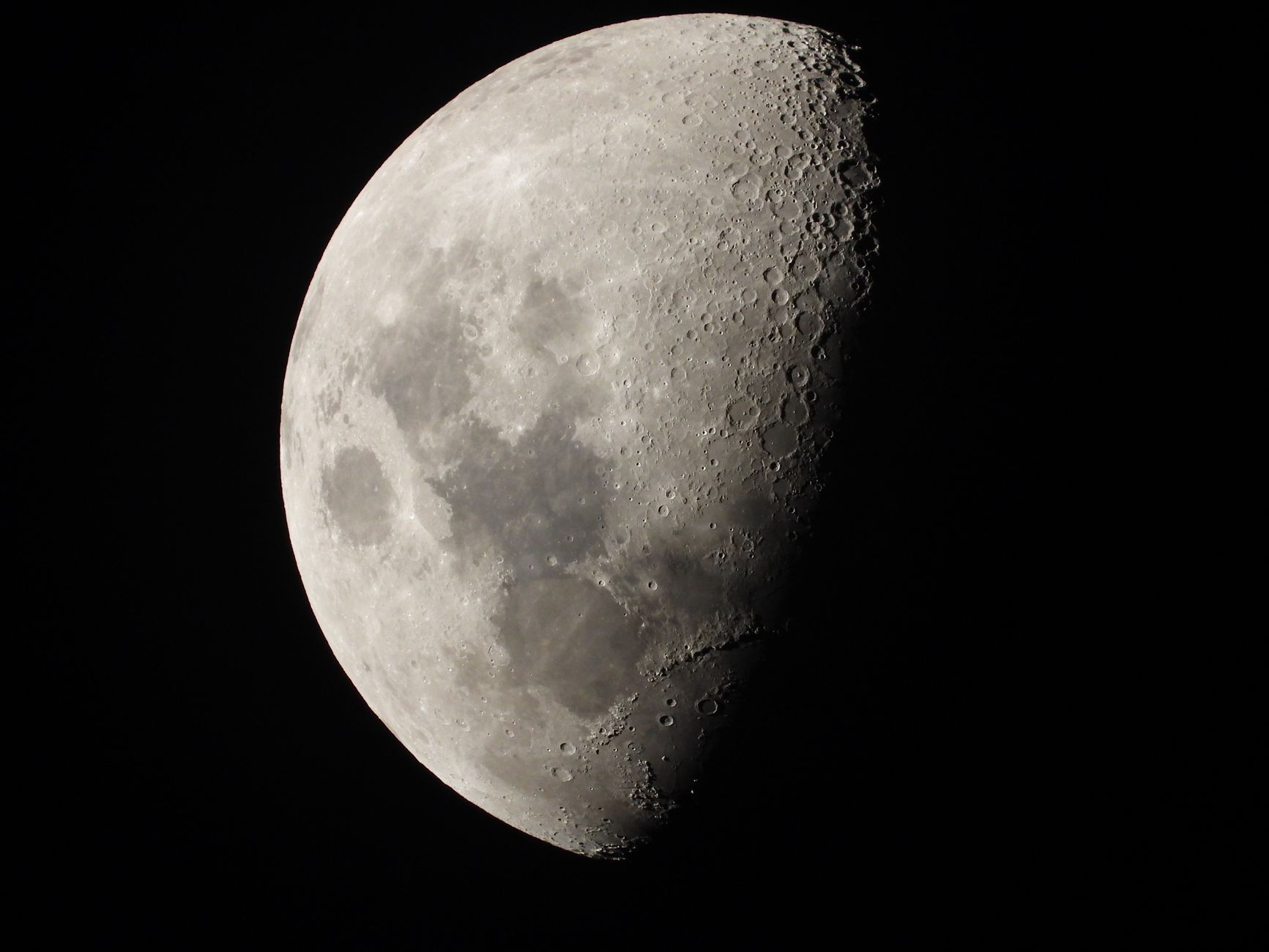
Scientists anticipate that samples from the lunar south pole could reveal new insights into the Moon’s geological history and the presence of water ice, which is crucial for future lunar bases, as highlighted in a Nature article. The mission’s findings could shape global lunar exploration strategies.
Strategically, Chandrayaan-4 positions India as a leader in lunar exploration and advances its aspirations for a sustained lunar presence, aligning with the government’s 2030 vision for space technology, as outlined in the Department of Space’s 2025-2030 roadmap.
What’s Next for ISRO and Indian Space Technology?
Following Chandrayaan-4, ISRO plans to accelerate its Gaganyaan human spaceflight program and collaborate further on Artemis Accords projects. The agency is also developing advanced propulsion systems and reusable launch vehicles to support future interplanetary missions.
India’s private space sector is expected to play a larger role, with several startups contributing to lunar rover design and payload miniaturization, as reported by Reuters. The government’s recent policy reforms aim to foster innovation and global partnerships.
Sources
References for this article include ISRO’s official press releases, The Hindu, The Economic Times, NASA, Nature, and Reuters.
Sources: Information sourced from ISRO, The Hindu, The Economic Times, NASA, Nature, and Reuters.