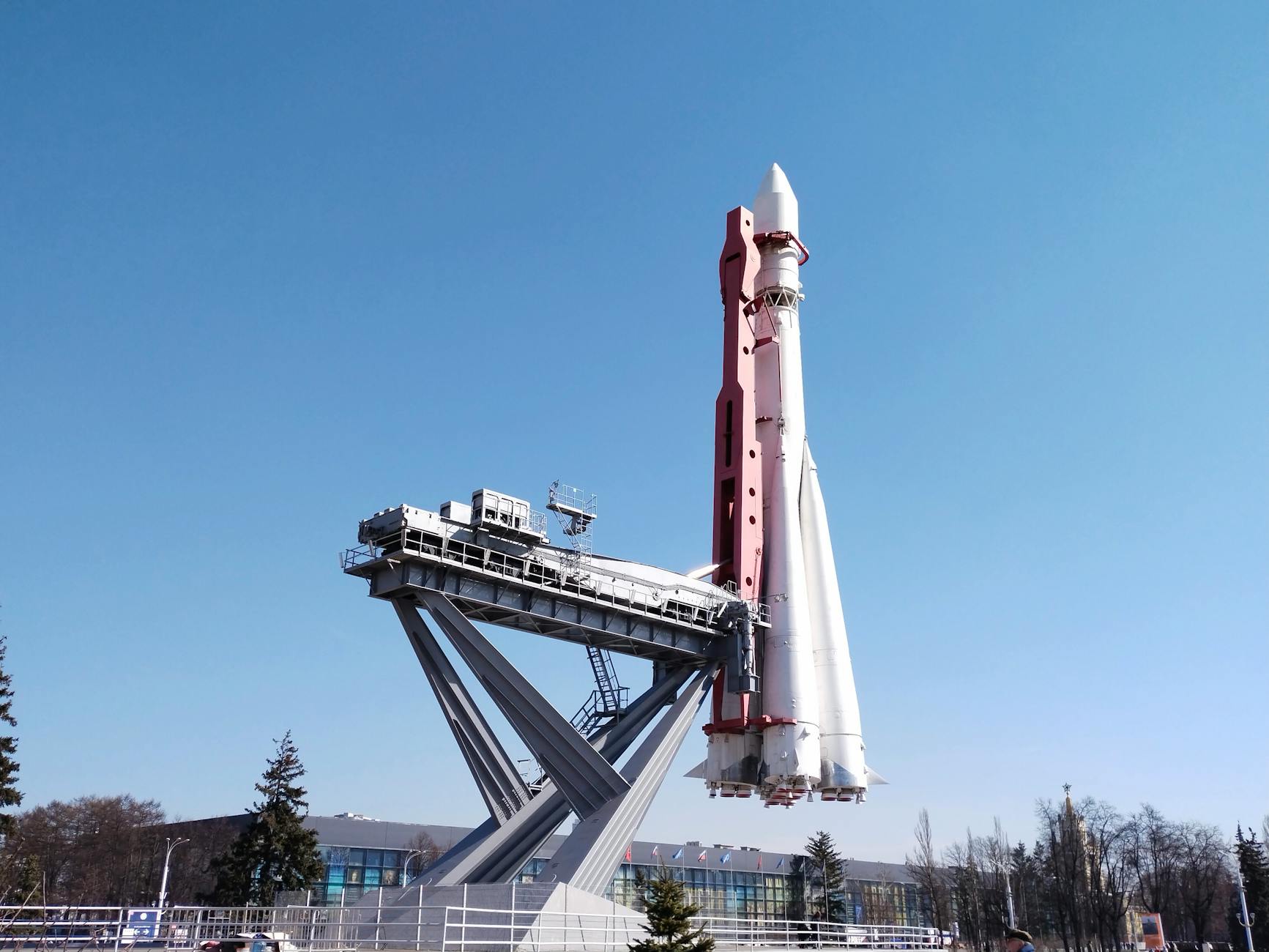
ISRO has launched its latest uncrewed Gaganyaan test flight, a crucial milestone toward India's first human space mission, showcasing advancements in indigenous space technology and mission readiness.
Bengaluru, February 28, 2026: The Indian Space Research Organisation (ISRO) achieved a major milestone today by successfully launching the Gaganyaan uncrewed test flight from the Satish Dhawan Space Centre, marking a pivotal step toward India's first human space mission.
The Gaganyaan program, India's ambitious human spaceflight initiative, aims to send Indian astronauts into low Earth orbit. The latest test flight, designated Gaganyaan TV-D3, is a critical precursor to the crewed mission planned for late 2026, according to ISRO officials.

The launch took place at 9:30 AM IST, with ISRO's LVM3 rocket carrying an uncrewed crew module and escape system. The mission tested vital systems, including crew module separation, re-entry, and safe splashdown, as reported by The Hindu.
Background: Gaganyaan Mission and India's Space Ambitions
Announced in 2018, the Gaganyaan mission is India's most significant space technology project to date. The government allocated over ₹10,000 crore ($1.2 billion) for the program, aiming to demonstrate indigenous capabilities in human spaceflight, as per The Economic Times.
The mission's primary objective is to send a three-member crew into a 400-kilometer orbit for up to seven days. ISRO has partnered with multiple Indian agencies and international collaborators, including Russia's Glavkosmos for astronaut training.
Key Details of the Gaganyaan TV-D3 Test Flight
The TV-D3 test flight focused on validating the crew escape system, a critical safety feature for astronaut evacuation during emergencies. According to ISRO's press release, the escape system functioned flawlessly, separating from the launch vehicle within seconds of simulated abort.

The uncrewed crew module, equipped with advanced avionics and environmental control systems, re-entered Earth's atmosphere and splashed down safely in the Bay of Bengal. Recovery teams from the Indian Navy retrieved the module within two hours, as reported by NDTV.
This test also included a suite of sensors to monitor thermal, structural, and environmental parameters. Data collected will inform final design tweaks before the manned mission, ISRO sources confirmed.
Technological Advancements and Indigenous Innovation
ISRO developed several new technologies for Gaganyaan, including an indigenous life support system, advanced thermal protection, and a crew module with redundant safety features. The LVM3 rocket, previously used for Chandrayaan and commercial launches, was further upgraded for human-rating standards.

The mission also showcased India's growing expertise in precision navigation, telemetry, and real-time mission control. According to The Times of India, over 500 Indian industries contributed components and subsystems, highlighting the program's Make in India ethos.
Analysis: Strategic and Scientific Impact
The successful TV-D3 flight cements India's position as a leading spacefaring nation. Only the US, Russia, and China have independently launched humans into space. Gaganyaan's progress signals India's readiness to join this exclusive club, as noted by Reuters.
Beyond prestige, the mission is expected to drive advances in materials science, robotics, and medicine. ISRO officials anticipate spin-offs in sectors such as disaster management, remote sensing, and telecommunications.
Challenges and Lessons Learned
The Gaganyaan program has faced delays due to the COVID-19 pandemic and supply chain disruptions. However, ISRO's iterative testing approach has minimized risks, with each test flight providing critical data for future missions.
Experts caution that human spaceflight involves complex challenges, from life support reliability to crew training. ISRO is conducting rigorous simulations and collaborating with international agencies to ensure mission safety, as reported by The Indian Express.
What's Next: Timeline for India's First Crewed Spaceflight
With the TV-D3 test completed, ISRO plans two more uncrewed flights in mid and late 2026. The first crewed Gaganyaan mission is scheduled for December 2026, pending final safety clearances and astronaut readiness.
Four Indian Air Force pilots, selected as astronaut candidates, have completed advanced training in Russia and Bengaluru. They will undergo further mission-specific preparation, including simulations and medical assessments, in the coming months.
ISRO's chairman, Dr. S. Somanath, stated that the agency remains committed to transparency and international cooperation. The Gaganyaan program is expected to inspire a new generation of scientists and engineers, boosting India's space sector.
Sources
Information in this article was sourced from ISRO press releases, The Hindu, The Economic Times, NDTV, Reuters, The Times of India, and The Indian Express.Sources: Information sourced from ISRO, The Hindu, The Economic Times, NDTV, Reuters, The Times of India, and The Indian Express.