
India's ISRO is on the brink of launching its first crewed Gaganyaan mission, following a successful uncrewed test flight in March 2026. The mission marks a major milestone in Indian space technology.
Bengaluru, March 26, 2026 — The Indian Space Research Organisation (ISRO) has taken a giant leap toward its first human spaceflight, with the successful completion of a critical uncrewed test flight for the Gaganyaan mission this week. The test, conducted from the Satish Dhawan Space Centre, sets the stage for India’s inaugural crewed mission, expected later this year.
The Gaganyaan mission, announced in 2018, aims to send a three-member crew into low Earth orbit for up to seven days. The project is a cornerstone of India’s ambitions to join the elite group of nations with independent human spaceflight capabilities, including the United States, Russia, and China.
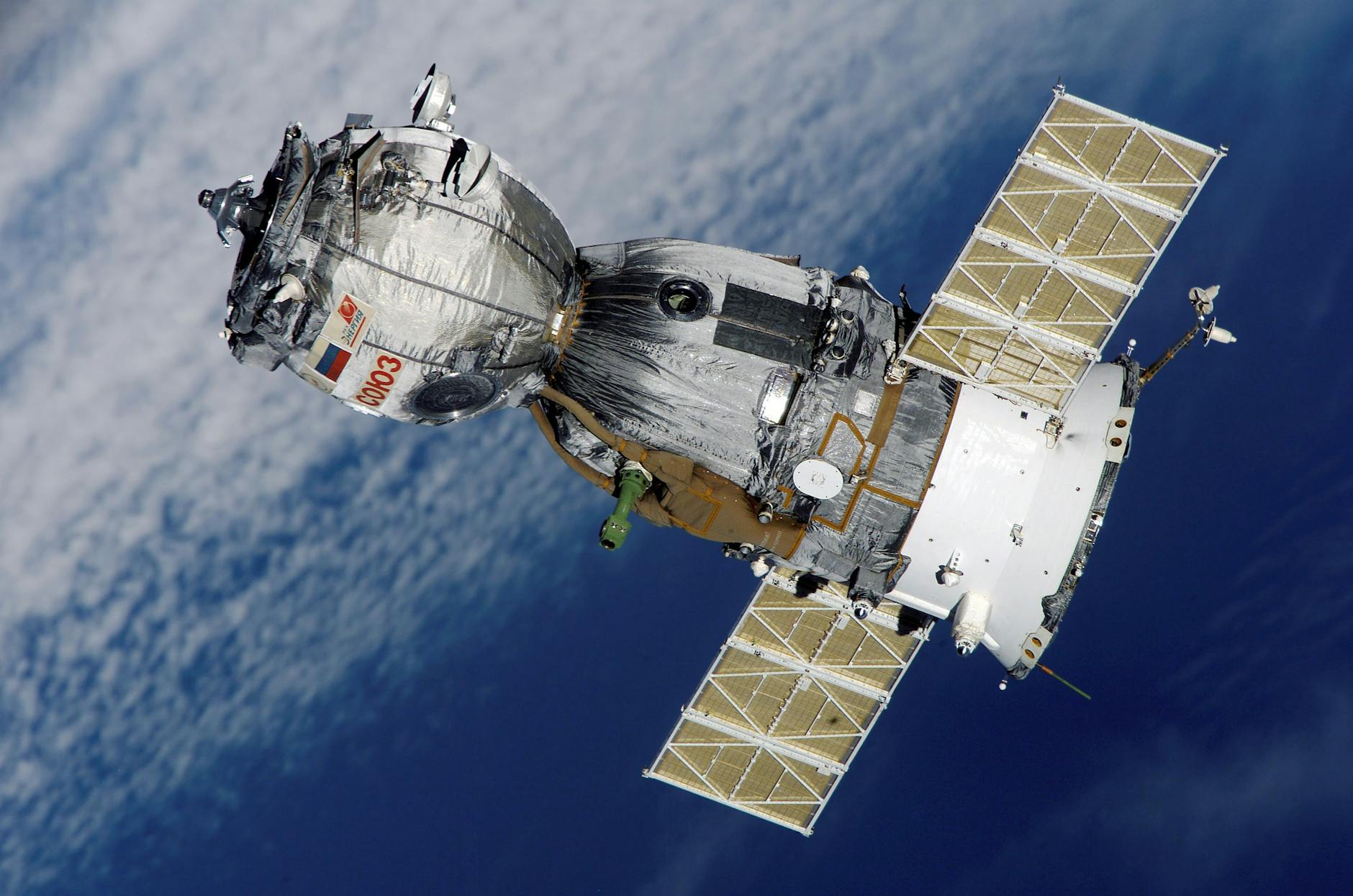
On March 24, 2026, ISRO launched the Gaganyaan uncrewed test vehicle, which successfully demonstrated the spacecraft’s launch, orbital maneuvering, and re-entry systems. According to ISRO officials, the test validated key technologies required for crew safety, including the Crew Escape System and Environmental Control and Life Support System (ECLSS).
Background: India’s Human Spaceflight Ambitions
India’s journey toward human spaceflight began decades ago, but gained momentum after Prime Minister Narendra Modi’s 2018 Independence Day announcement. The government allocated over ₹10,000 crore (approximately $1.2 billion) for the Gaganyaan program, as reported by The Economic Times.
ISRO has since developed indigenous technologies for human-rated launch vehicles, crew modules, and safety systems. The mission faced delays due to the COVID-19 pandemic and technical challenges, but regained pace in 2024 with a series of successful abort and pad escape tests.
Key Details of the Latest Test Flight
The March 24 uncrewed test flight used a modified GSLV Mk III, now designated as the Human Rated Launch Vehicle (HLVM3). The test vehicle carried a fully functional crew module, packed with sensors and monitoring equipment, but no astronauts on board.

The vehicle lifted off at 9:30 AM IST, reaching an altitude of 400 km before initiating controlled re-entry. The module splashed down in the Bay of Bengal, where it was swiftly recovered by the Indian Navy, as confirmed by ISRO’s official X (formerly Twitter) account.
ISRO Chairman Dr. S. Somanath stated, “This successful test is a major milestone. All mission objectives were met, including demonstration of the crew module’s integrity and recovery systems.”
International Collaboration and Training
ISRO’s Gaganyaan crew members have undergone extensive training in India and Russia. According to The Hindu, four Indian Air Force pilots were selected for the mission and completed survival, microgravity, and emergency training at Russia’s Gagarin Cosmonaut Training Center.
ISRO has also collaborated with NASA and the French space agency CNES for life-support systems and astronaut health monitoring, ensuring international standards of crew safety.
Analysis: Technological and Strategic Impact
The Gaganyaan mission is expected to boost India’s standing in the global space sector. As reported by Reuters, successful human spaceflight capability opens doors for international partnerships, commercial launches, and technology exports.
Experts highlight that indigenous development of the HLVM3 and crew module reduces reliance on foreign technology. This self-reliance is critical for national security and future deep space missions, including lunar and interplanetary exploration.
Economic and Educational Benefits
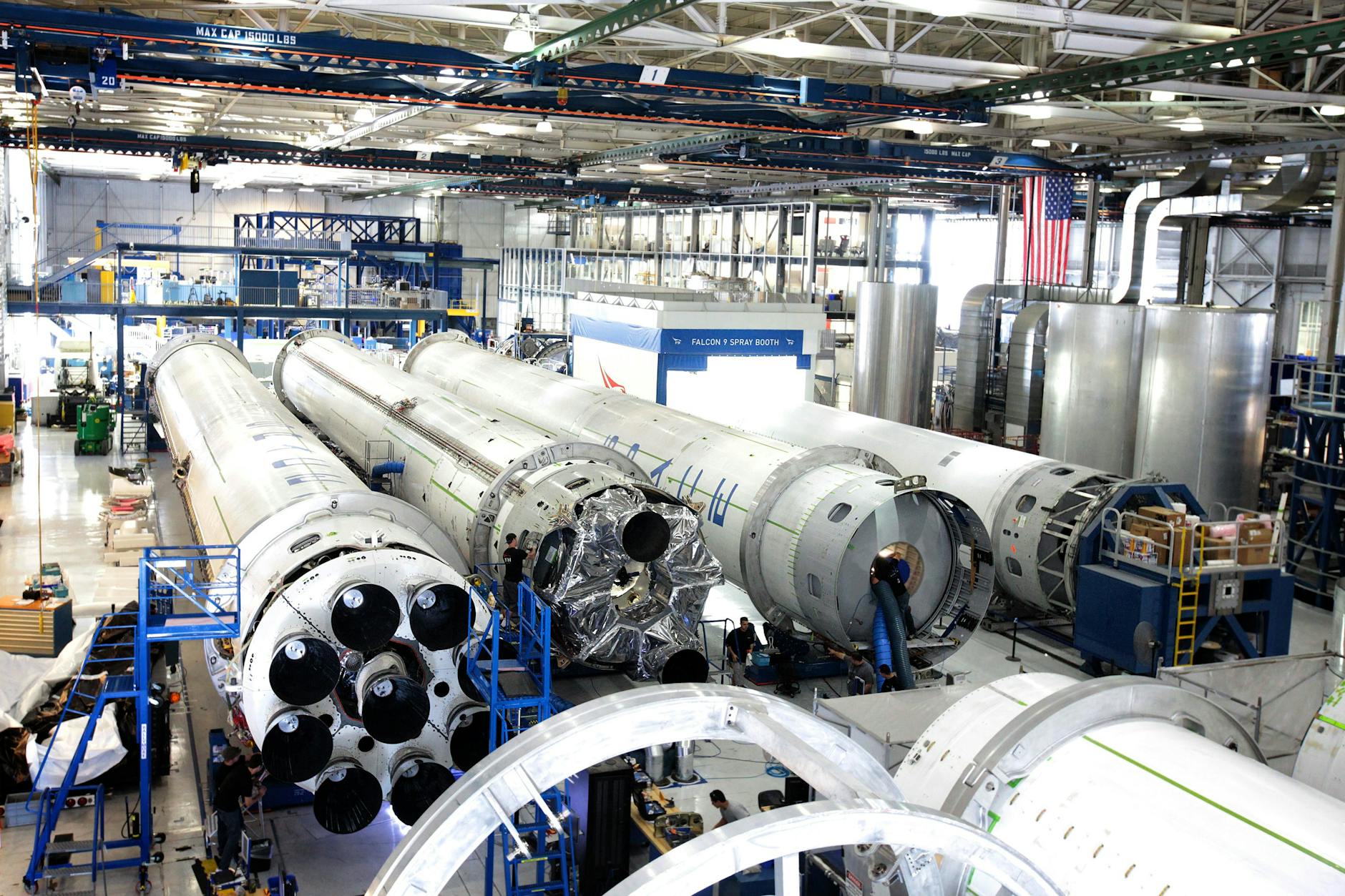
The Gaganyaan program has spurred growth in India’s space industry, with over 500 private firms contributing components and subsystems, according to ISRO’s annual report. The mission is also expected to inspire STEM education and research across the country.
India’s space budget has grown steadily, with the government allocating ₹13,700 crore ($1.65 billion) for 2026, as per The Economic Times. This investment is projected to create thousands of jobs and foster innovation in aerospace technology.
What’s Next: Countdown to Crewed Launch
Following the successful uncrewed test, ISRO will conduct a final abort test and a second uncrewed demonstration later this year. If all goes as planned, the first crewed Gaganyaan mission could launch as early as December 2026.
The crew will spend up to seven days in low Earth orbit, conducting scientific experiments and technology demonstrations. The mission’s success will mark India’s entry into the select group of nations capable of independent human spaceflight.
Challenges and Future Missions
ISRO faces challenges including ensuring crew safety, perfecting life-support systems, and developing long-duration spaceflight capabilities. The agency is also planning follow-up missions, including a possible lunar crewed mission in the 2030s, as hinted by ISRO officials.
India’s Gaganyaan mission is poised to be a historic milestone, not only for the country but for global space exploration. The coming months will be crucial as ISRO prepares for its most ambitious mission yet.
Sources
Information for this article was sourced from ISRO press releases, Reuters, The Economic Times, The Hindu, and official government statements.Sources: Information sourced from ISRO, Reuters, The Economic Times, The Hindu, and official government statements.