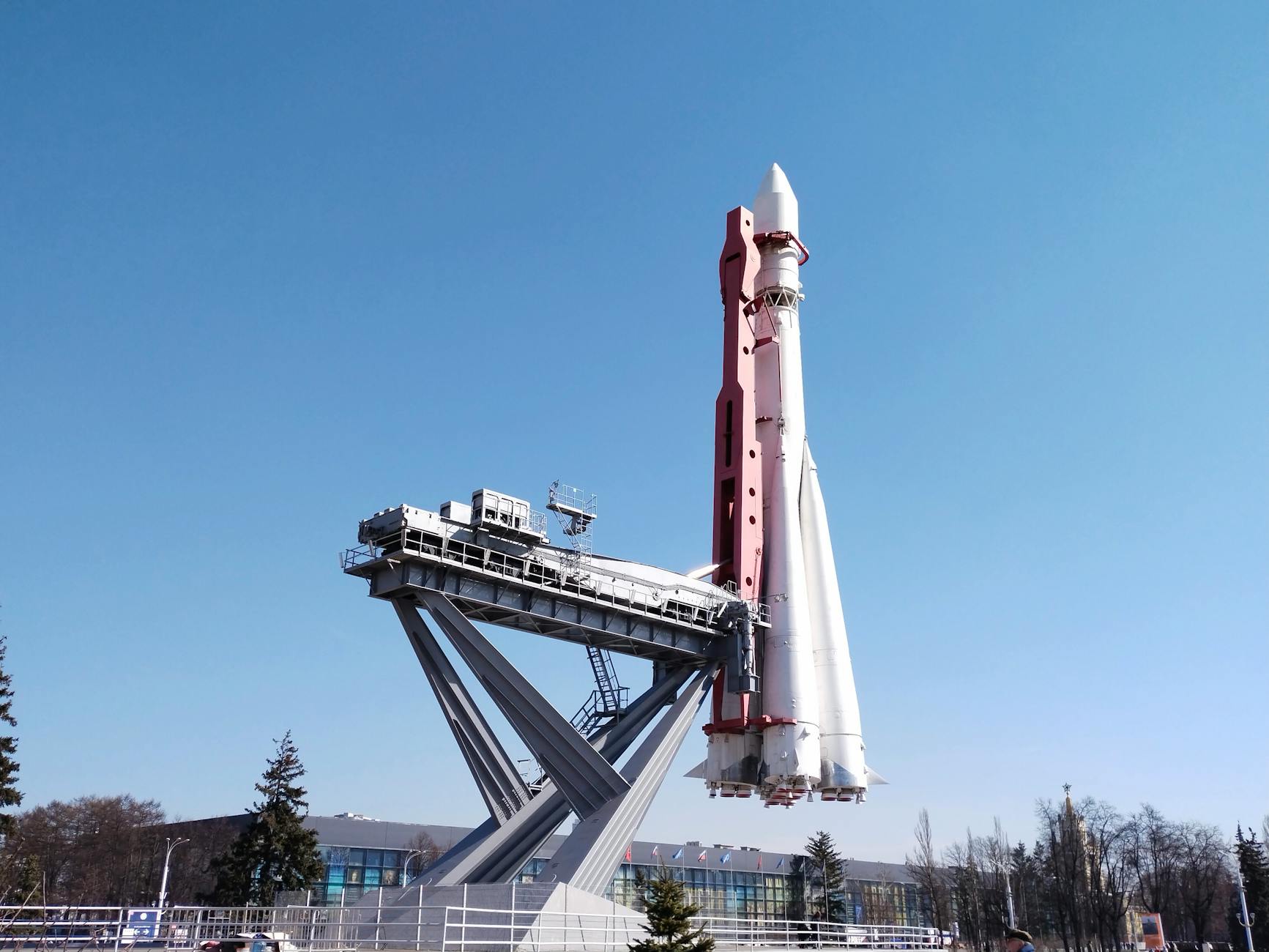
India's ISRO is finalizing preparations for the Gaganyaan mission, set to launch its first crewed spaceflight in 2026. The mission marks a major milestone in India's space technology ambitions.
Bengaluru, February 24, 2026 — The Indian Space Research Organisation (ISRO) is in the final stages of preparation for the Gaganyaan mission, India’s first attempt to send astronauts into space aboard an indigenous spacecraft. The highly anticipated launch is slated for late 2026, marking a pivotal moment in India’s space technology journey, according to ISRO officials.
Background: India’s Human Spaceflight Aspirations
India’s ambitions for human spaceflight date back decades, but the Gaganyaan mission was formally announced in 2018 by Prime Minister Narendra Modi. The project aims to demonstrate India’s capability to send humans to low Earth orbit and safely return them, joining an elite group of nations including the US, Russia, and China.
The Gaganyaan mission has faced several delays, primarily due to the COVID-19 pandemic and technical challenges. However, ISRO has made significant progress since 2023, conducting a series of successful uncrewed test flights and abort system demonstrations, as reported by The Economic Times.
Recent Milestones and Testing
In October 2025, ISRO completed its second uncrewed test flight, which validated the crew module’s re-entry and recovery systems. The test was conducted from the Satish Dhawan Space Centre in Sriharikota and involved a splashdown in the Bay of Bengal, as reported by Reuters.The mission’s crew escape system, designed to ensure astronaut safety in case of launch anomalies, was successfully tested in January 2026. ISRO Chairman Dr. S. Somanath confirmed that all critical systems performed as expected, paving the way for the next phase of the mission.

Selection and Training of Astronauts
The Indian Air Force has shortlisted four candidates for the inaugural crew. These astronauts have undergone rigorous training at Russia’s Gagarin Cosmonaut Training Center and ISRO’s own facilities in Bengaluru. Their regimen includes simulations, zero-gravity flights, and survival training, according to The Hindu.The astronauts are currently in the final stages of mission-specific training, focusing on spacecraft operations, emergency procedures, and scientific experiments to be conducted in orbit. ISRO has stated that the crew will be announced officially three months before launch.
Technical Innovations and Collaborations
Gaganyaan’s crew module is equipped with advanced life support, navigation, and communication systems. The mission leverages indigenous technologies, with contributions from Indian industries and academic institutions. International collaborations, particularly with France’s CNES for space medicine and Russia for astronaut training, have also played a crucial role, as reported by NDTV.The launch vehicle, a modified GSLV Mk III (now LVM-3), has been upgraded with enhanced safety and reliability features. According to ISRO, these improvements are based on lessons learned from previous missions and international best practices.

Mission Objectives and Scientific Goals
The primary objective of Gaganyaan is to demonstrate India’s capability for human spaceflight. The mission will carry a crew of two to three astronauts to an altitude of 400 km for a duration of up to seven days. Scientific experiments in microgravity, materials science, and life sciences are planned, as detailed by The Indian Express.ISRO has also partnered with national research agencies to develop experiments that could benefit healthcare, agriculture, and materials engineering. The data collected is expected to contribute to India’s broader space research initiatives.
Challenges and Risk Management
Human spaceflight is inherently risky. ISRO has implemented multiple layers of redundancy and safety protocols. The agency has established a dedicated Mission Control Centre in Bengaluru and a network of tracking stations to monitor the flight in real time.Contingency plans for in-flight emergencies and rapid recovery have been developed. The Indian Navy is tasked with crew recovery operations post-splashdown, as confirmed by official statements.
National and Global Impact
The Gaganyaan mission is expected to boost India’s standing in the global space community. According to The Times of India, the project has already spurred interest from international partners for future collaborations in crewed and lunar missions.Domestically, the mission is seen as a catalyst for STEM education and private sector investment in space technology. The government has announced increased funding for space startups and research, aiming to foster innovation and job creation.
What’s Next: Roadmap Beyond Gaganyaan
ISRO has outlined plans for follow-up missions, including longer-duration crewed flights and a potential space station by 2035. The agency is also exploring international partnerships for lunar and interplanetary exploration.The success of Gaganyaan will lay the groundwork for these ambitious projects. ISRO officials emphasize that lessons learned from this mission will inform the design and planning of future human spaceflight endeavors.
Conclusion
As the Gaganyaan mission approaches its historic launch window, India stands on the cusp of joining the ranks of nations with independent human spaceflight capability. The coming months will be critical as ISRO conducts final integration, testing, and crew preparations.Sources
Information for this article was sourced from Reuters, The Economic Times, The Hindu, NDTV, The Indian Express, and The Times of India.Sources: Information sourced from Reuters, The Economic Times, The Hindu, NDTV, The Indian Express, and The Times of India.