
ISRO successfully completed a critical crew module test for the Gaganyaan mission, marking a pivotal step toward India's first human spaceflight, with a launch targeted for late 2026.
Bengaluru, March 30, 2026 — The Indian Space Research Organisation (ISRO) achieved a significant milestone this week by successfully conducting a high-altitude abort test for the Gaganyaan mission, a crucial step toward launching India's first crewed spaceflight later this year.
The test, carried out at the Satish Dhawan Space Centre in Sriharikota on March 28, demonstrated the crew module's ability to safely escape from the launch vehicle in the event of an emergency, according to ISRO officials.

Gaganyaan, India's ambitious human spaceflight program, aims to send a three-member crew into low Earth orbit for up to seven days. The mission, first announced in 2018, has faced several delays due to the COVID-19 pandemic and technical challenges, but recent progress has reignited national enthusiasm.
Background: Gaganyaan's Journey
The Gaganyaan program was unveiled by Prime Minister Narendra Modi in 2018, with an initial target launch date of 2022. However, the pandemic, supply chain disruptions, and the need for additional safety testing pushed the schedule back, as reported by The Hindu.
ISRO has collaborated with multiple international agencies, including Russia's Roscosmos and France's CNES, to develop astronaut training protocols and life-support systems. Four Indian Air Force pilots were selected and trained as potential crew members, according to The Economic Times.
The High-Altitude Abort Test
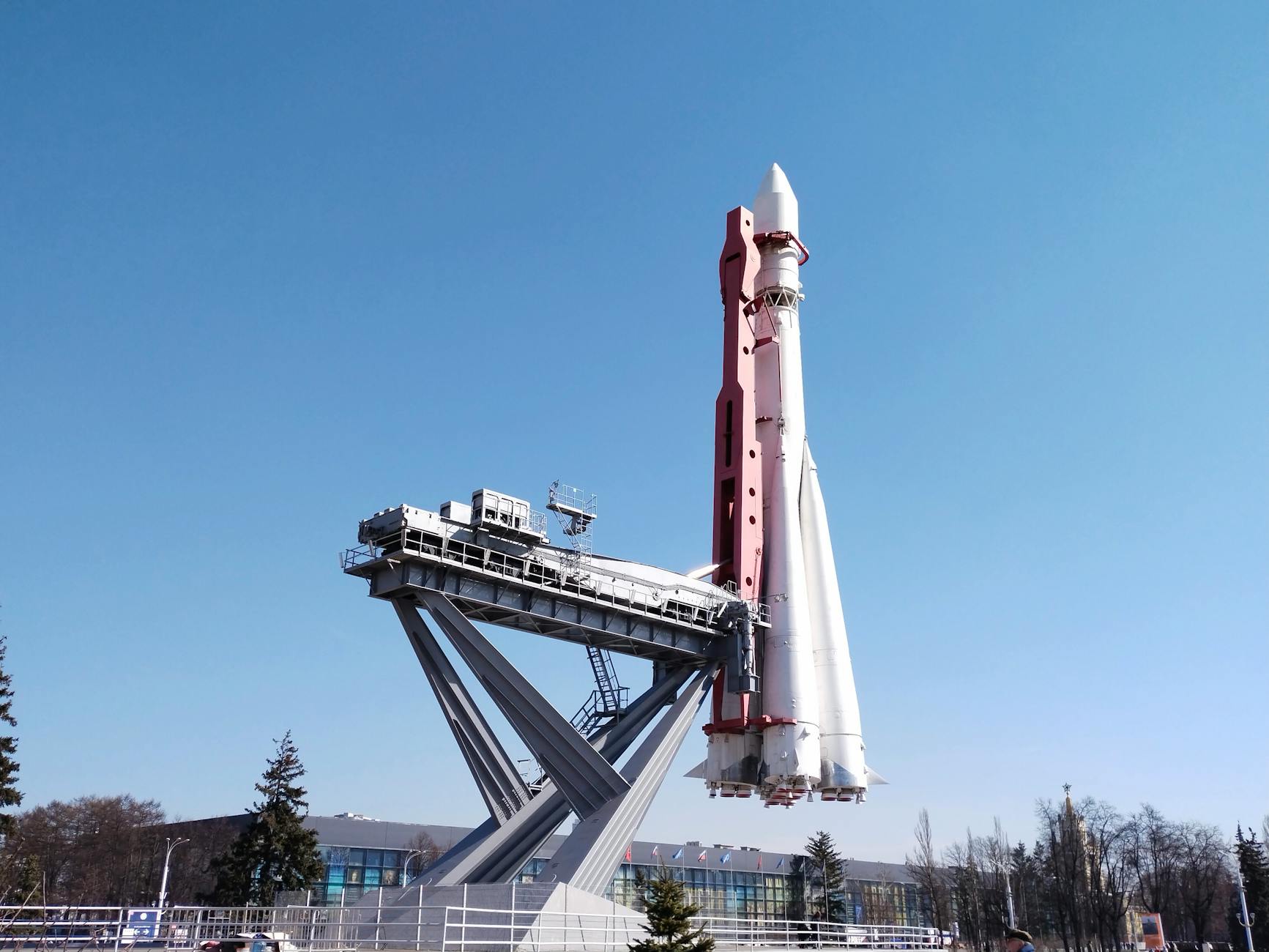
The recent test involved launching a crew module atop a specially designed test vehicle to an altitude of 15 kilometers. At the designated point, the abort system was triggered, safely separating the module from the rocket and deploying parachutes for a controlled descent into the Bay of Bengal.
ISRO Chairman Dr. S. Somanath stated in a press briefing that all objectives of the test were met, including real-time telemetry tracking, parachute deployment, and safe recovery of the module by the Indian Navy.
Key Technologies and Innovations
The crew module features advanced thermal protection, environmental control, and life-support systems. The abort system, designed to operate within milliseconds, uses solid-fuel motors to propel the module away from danger, as detailed in ISRO's technical briefings.
ISRO engineers also tested new avionics, communication links, and a robust parachute system capable of deploying in various atmospheric conditions. These technologies are critical for ensuring crew safety during all phases of flight.
Analysis: India's Place in Human Spaceflight
With the successful abort test, India is poised to become the fourth nation to independently send humans into space, joining the United States, Russia, and China. Experts from the Indian Institute of Space Science and Technology (IIST) note that Gaganyaan represents a leap in indigenous technology and international collaboration.
The mission's success could boost India's reputation as a reliable partner for future space exploration, including lunar and interplanetary missions. According to Reuters, ISRO is already in talks with NASA and ESA for potential joint projects post-Gaganyaan.
Economic and Strategic Impacts
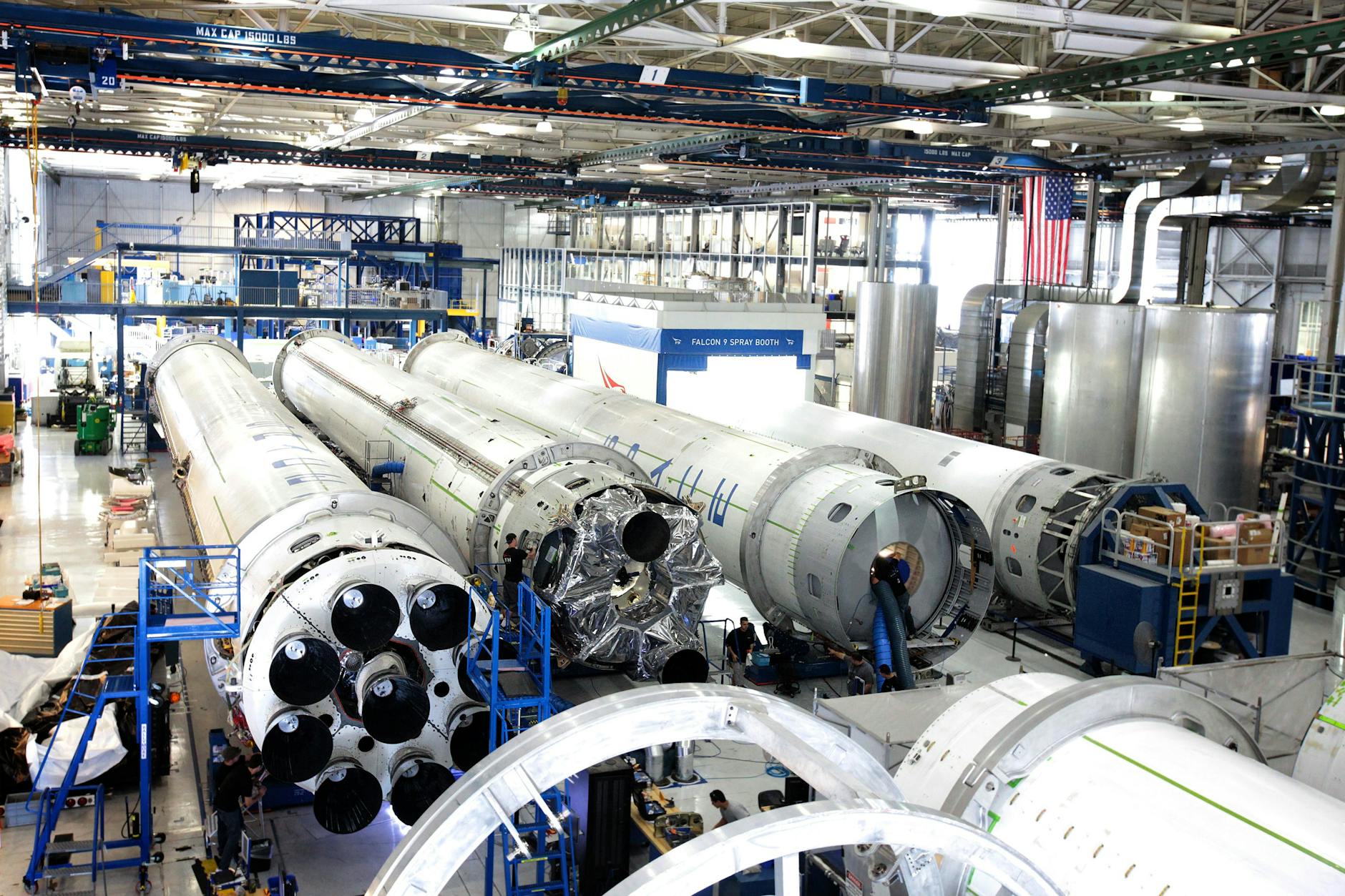
The Gaganyaan program has spurred growth in India's private space sector, with over 100 companies supplying components and technology, as reported by Business Standard. The mission is expected to inspire STEM education and create high-skilled jobs.
Strategically, a successful crewed mission would enhance India's national security capabilities and provide a platform for future space station modules, satellite servicing, and deep-space exploration.
What's Next for Gaganyaan?
ISRO plans to conduct a series of uncrewed demonstration flights in the coming months to further validate systems. The first crewed launch is tentatively scheduled for December 2026, pending the results of these tests and final crew selection.
Preparations are underway at the Human Space Flight Centre in Bengaluru, where astronaut candidates are undergoing final training. The Indian Navy and Air Force are rehearsing recovery operations, ensuring readiness for all contingencies.
International Reactions and Future Prospects
Global space agencies have congratulated ISRO on the successful abort test. NASA Administrator Bill Nelson praised India's progress, highlighting the potential for future collaboration in lunar and Mars missions.
Looking ahead, ISRO aims to leverage Gaganyaan's technology for advanced projects, including a proposed Indian space station by 2035 and participation in international deep-space initiatives.
Sources
Information for this article was sourced from ISRO press releases, The Hindu, The Economic Times, Reuters, Business Standard, and official statements from the Indian government and international space agencies.
Sources: Information sourced from ISRO, The Hindu, The Economic Times, Reuters, and Business Standard.