ISRO's Gaganyaan mission advances as the agency completes its final uncrewed test, setting the stage for India's first human spaceflight, with a crewed launch targeted for late 2026.
Bengaluru, April 6, 2026 — The Indian Space Research Organisation (ISRO) has completed its final uncrewed test of the Gaganyaan mission, marking a critical milestone toward India's first human spaceflight, scheduled for late 2026, according to ISRO officials.
The Gaganyaan mission, announced by Prime Minister Narendra Modi in 2018, aims to send a crew of Indian astronauts into low-Earth orbit. The program has seen several delays, but recent progress has reinvigorated national and international interest.

On April 5, 2026, ISRO successfully launched its third and final uncrewed test flight from the Satish Dhawan Space Centre in Sriharikota. The test validated the safety and reliability of the crew module and escape systems, as reported by The Hindu.
Background: Gaganyaan's Ambitious Goals
Gaganyaan represents India's most ambitious space project to date. The mission aims to demonstrate indigenous capability to send humans to space and safely return them to Earth, according to ISRO's official mission brief.
The program is expected to cost approximately ₹12,500 crore (about $1.5 billion USD), making it one of India's most significant technological investments, as reported by The Economic Times.
ISRO has partnered with multiple domestic and international agencies, including Russia's Glavkosmos, for astronaut training and technology transfer. Four Indian Air Force pilots have been selected for intensive training, according to NDTV.
Key Details of the Final Uncrewed Test

The April 5 test involved a full-scale Gaganyaan crew module equipped with advanced life-support systems and sensors. The vehicle reached an altitude of 400 kilometers before safely splashing down in the Bay of Bengal, as confirmed by ISRO's press release.
Recovery teams from the Indian Navy retrieved the module within two hours of splashdown. Data from the test indicated all critical systems, including the crew escape system, functioned as intended, according to The Times of India.
This test followed two earlier abort tests in 2023 and 2025, which demonstrated the module's ability to safely separate from the launch vehicle in case of emergency, as reported by Reuters.
Technological Innovations and Challenges
Gaganyaan's crew module features advanced thermal protection, autonomous navigation, and redundant life-support systems. ISRO engineers have developed indigenous materials and software to ensure astronaut safety during launch, orbit, and re-entry.
One of the main challenges has been developing a reliable Environmental Control and Life Support System (ECLSS) tailored for Indian conditions. According to ISRO, this system has now completed all ground and flight tests.
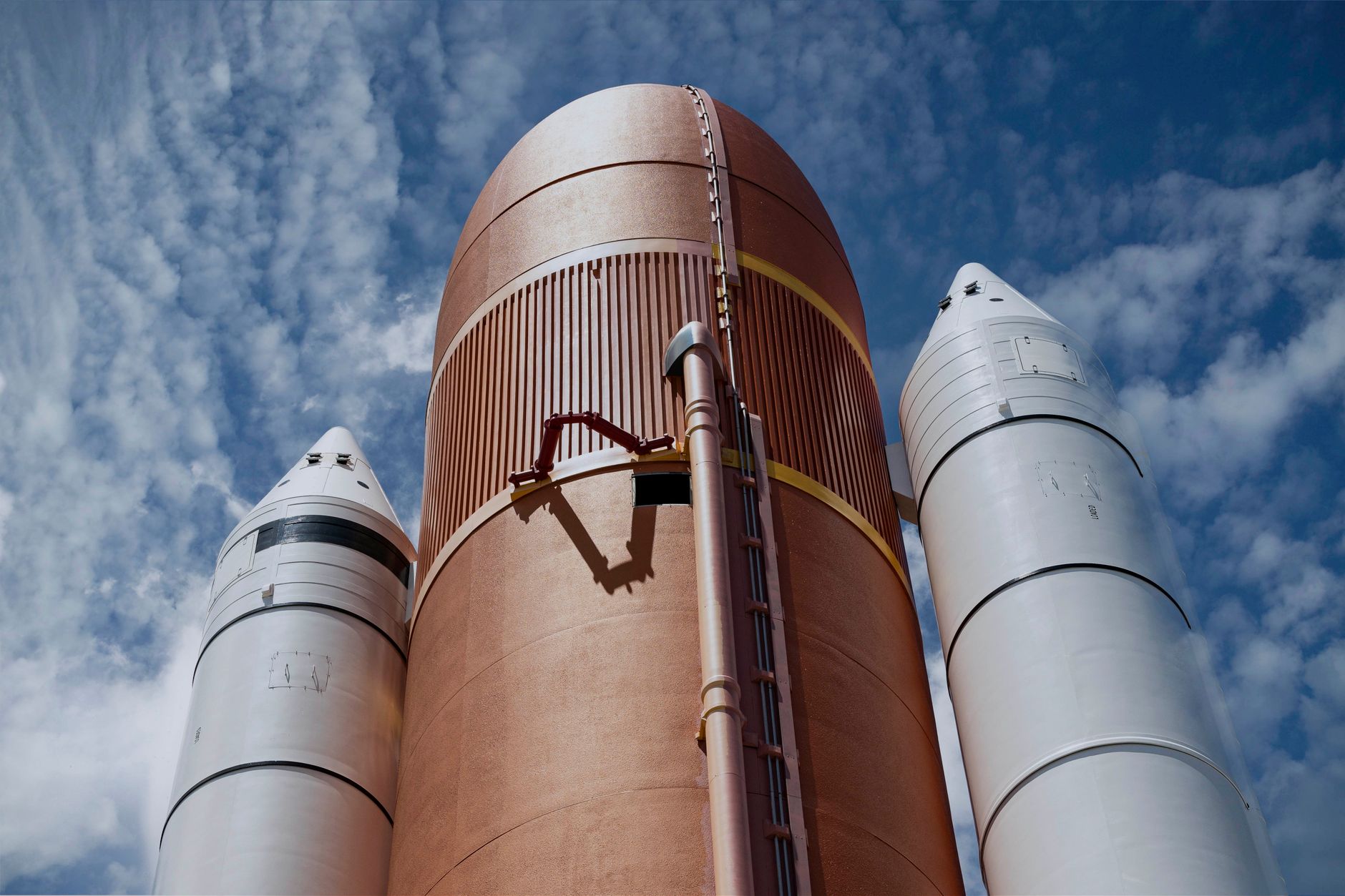
The mission also includes a new launch vehicle variant, the Human Rated LVM3, which incorporates over 100 safety enhancements compared to previous rockets, as detailed in ISRO's technical documentation.
Analysis: India's Place in Global Space Exploration
With Gaganyaan, India is set to become the fourth nation to independently send humans into space, joining the US, Russia, and China. Experts say this will boost India's standing in the global space sector (Reuters).
The mission is expected to foster new collaborations, attract investment, and inspire a new generation of scientists and engineers. According to The Economic Times, India's space sector is projected to grow to $13 billion by 2029.
ISRO's achievements, including the Chandrayaan-3 lunar landing and Aditya-L1 solar mission, have already demonstrated India's growing technological prowess, as noted by multiple international space agencies.
Impact on Science, Industry, and Society
The Gaganyaan mission will provide valuable data on human physiology in space, benefiting future lunar and interplanetary missions. ISRO plans to use the experience to develop long-duration spaceflight capabilities.

Indian industries have supplied over 60% of the mission's components, fostering a robust domestic space ecosystem. The mission has also led to new educational initiatives and STEM outreach programs, according to ISRO.
Public enthusiasm remains high, with millions following mission updates on social media and national television, as reported by NDTV.
What's Next: Countdown to Crewed Launch
With the final uncrewed test completed, ISRO will focus on astronaut training, integration of flight hardware, and comprehensive safety reviews. The first crewed launch is targeted for December 2026, pending final clearances.
The selected astronauts will undergo simulations and parabolic flights in India and Russia. ISRO will also conduct additional ground rehearsals and emergency drills in the coming months.
Looking ahead, ISRO has outlined plans for a space station by 2035 and potential lunar missions with international partners, as detailed in its 2026 roadmap.
Sources
References: ISRO official press releases, The Hindu, The Economic Times, NDTV, The Times of India, Reuters, and technical documentation from ISRO.
Sources: Information sourced from ISRO, The Hindu, The Economic Times, NDTV, The Times of India, and Reuters.