
India's ISRO is finalizing preparations for the Gaganyaan mission, targeting October 2026 for its first crewed spaceflight. The mission marks a major milestone in India's space ambitions.
India's space agency ISRO has confirmed October 2026 as the target date for its highly anticipated Gaganyaan mission, which will send Indian astronauts into space for the first time, according to statements from ISRO officials on April 11, 2026.
The Gaganyaan mission represents India's entry into the elite group of nations capable of human spaceflight, joining the United States, Russia, and China. The mission will launch from the Satish Dhawan Space Centre in Sriharikota.

ISRO Chairman Dr. S. Somanath announced that the mission has cleared critical design and safety reviews, with astronaut training in its final phase. The agency is collaborating with international partners to ensure mission success.
Background: India’s Human Spaceflight Ambitions
The Gaganyaan program was first announced by Prime Minister Narendra Modi in 2018, with the goal of sending Indian astronauts, known as vyomanauts, into low Earth orbit. The mission was originally slated for 2022 but faced delays due to the COVID-19 pandemic and technical challenges, as reported by The Economic Times.
Over the past eight years, ISRO has developed indigenous technologies for crew modules, environmental control systems, and launch escape mechanisms. These advancements have positioned India as a rising power in space technology, according to ISRO press releases.
Key Mission Details and Timeline
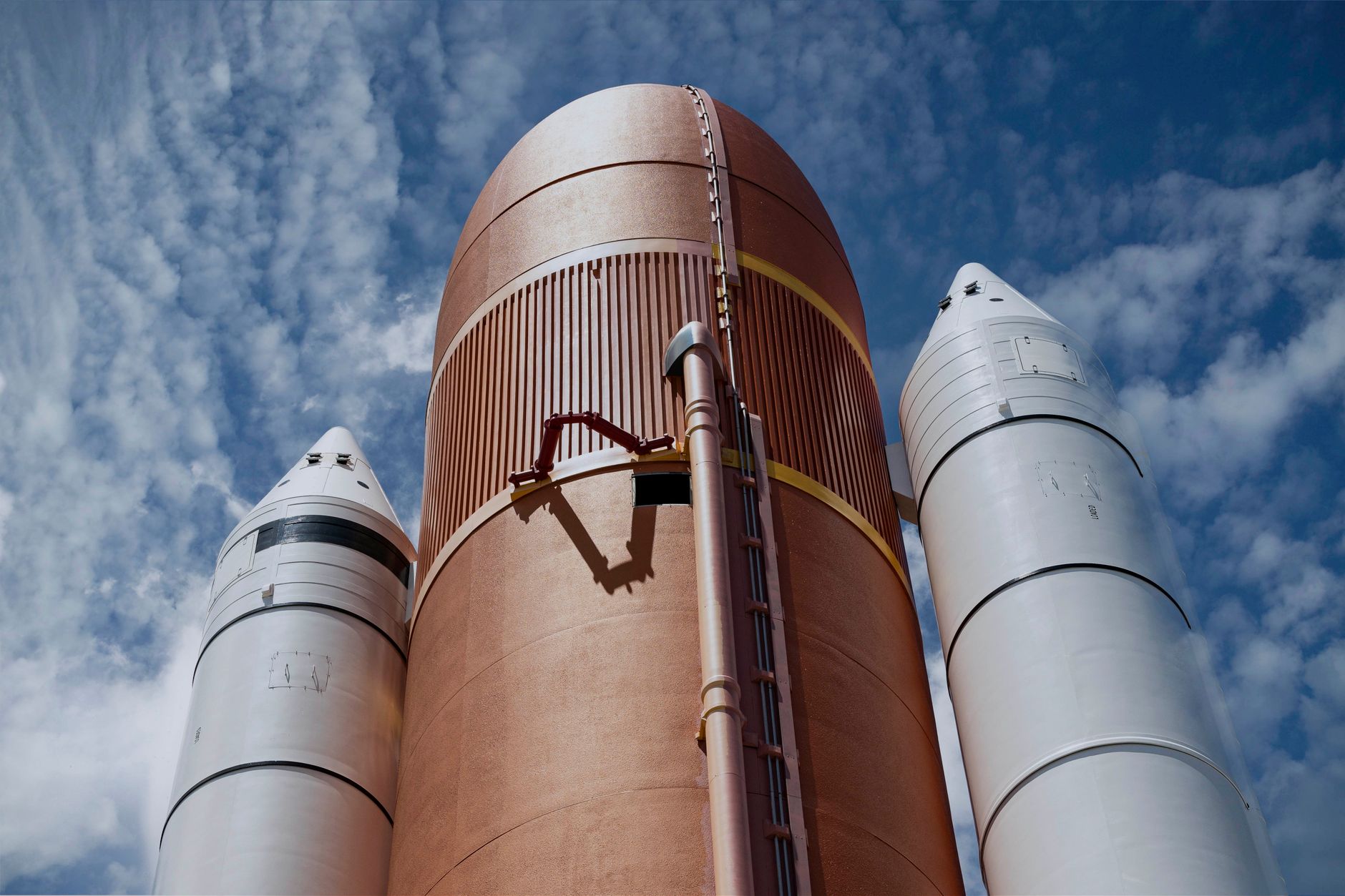
The Gaganyaan mission will use a modified GSLV Mk III rocket, renamed LVM3, to carry a crew of three astronauts into a 400 km low Earth orbit. The mission duration is expected to be 5–7 days, with a safe return and splashdown in the Bay of Bengal.
ISRO has conducted two successful uncrewed test flights, including the Gaganyaan Test Vehicle Abort Mission in 2023 and a full systems demonstration in 2025. These tests validated crew safety and mission readiness, as detailed in ISRO's official updates.
Astronaut Training and Selection
Four Indian Air Force pilots were selected for astronaut training, which began in Russia in 2020 and continued at ISRO's Astronaut Training Centre in Bengaluru. The training covers spacecraft operations, survival skills, and medical evaluations, according to The Hindu.
The final crew selection will be based on performance, health, and mission requirements. ISRO has also developed a humanoid robot, Vyommitra, to conduct pre-crew test missions and assist in future flights.
International Collaboration and Technology Transfer

ISRO has partnered with agencies such as Roscosmos (Russia), NASA (USA), and CNES (France) for astronaut training, life support systems, and mission planning. These collaborations have accelerated technology transfer and knowledge sharing, as reported by Reuters.
The European Space Agency (ESA) is providing support for ground tracking and recovery operations. Such partnerships are seen as crucial for mission safety and post-mission analysis.
Budget, Funding, and Economic Impact
The Indian government has allocated over ₹13,000 crore (approximately $1.6 billion USD) for the Gaganyaan program. This investment is expected to boost India's space sector, create high-skilled jobs, and stimulate private space startups, according to The Economic Times.
Analysts note that the mission's success could open doors for commercial crewed missions, space tourism, and international collaborations, further strengthening India's position in the global space economy.
Challenges and Risk Management
Human spaceflight missions involve significant risks, including launch failures, life support malfunctions, and re-entry hazards. ISRO has implemented redundant systems, rigorous testing, and real-time monitoring to mitigate these risks, as outlined in ISRO's mission briefings.
The agency is also preparing for medical emergencies and has established protocols for rapid recovery and evacuation in case of contingencies.
Public Engagement and National Pride

The Gaganyaan mission has captured the imagination of millions of Indians. ISRO has launched educational outreach programs and live mission updates to engage students and the public, fostering interest in STEM fields.
Social media campaigns and documentaries are highlighting the contributions of Indian scientists, engineers, and astronauts, building national pride and inspiring the next generation.
What’s Next for ISRO and Indian Space Exploration?
Following Gaganyaan, ISRO plans to develop a space station by 2035 and participate in international lunar and Mars missions. The agency is also exploring reusable launch vehicles and advanced propulsion systems, according to ISRO's 2026 roadmap.
India's private space sector is expected to play a larger role, with startups contributing to satellite launches, space tech innovation, and commercial applications.
As the October 2026 launch date approaches, ISRO's Gaganyaan mission stands as a testament to India's growing technological prowess and its aspirations for a leading role in the global space community.
Sources
Information in this article was sourced from official ISRO press releases, The Economic Times, Reuters, The Hindu, and statements from the Indian government.Sources: Information sourced from Reuters, The Economic Times, The Hindu, official ISRO press releases, and Indian government statements.