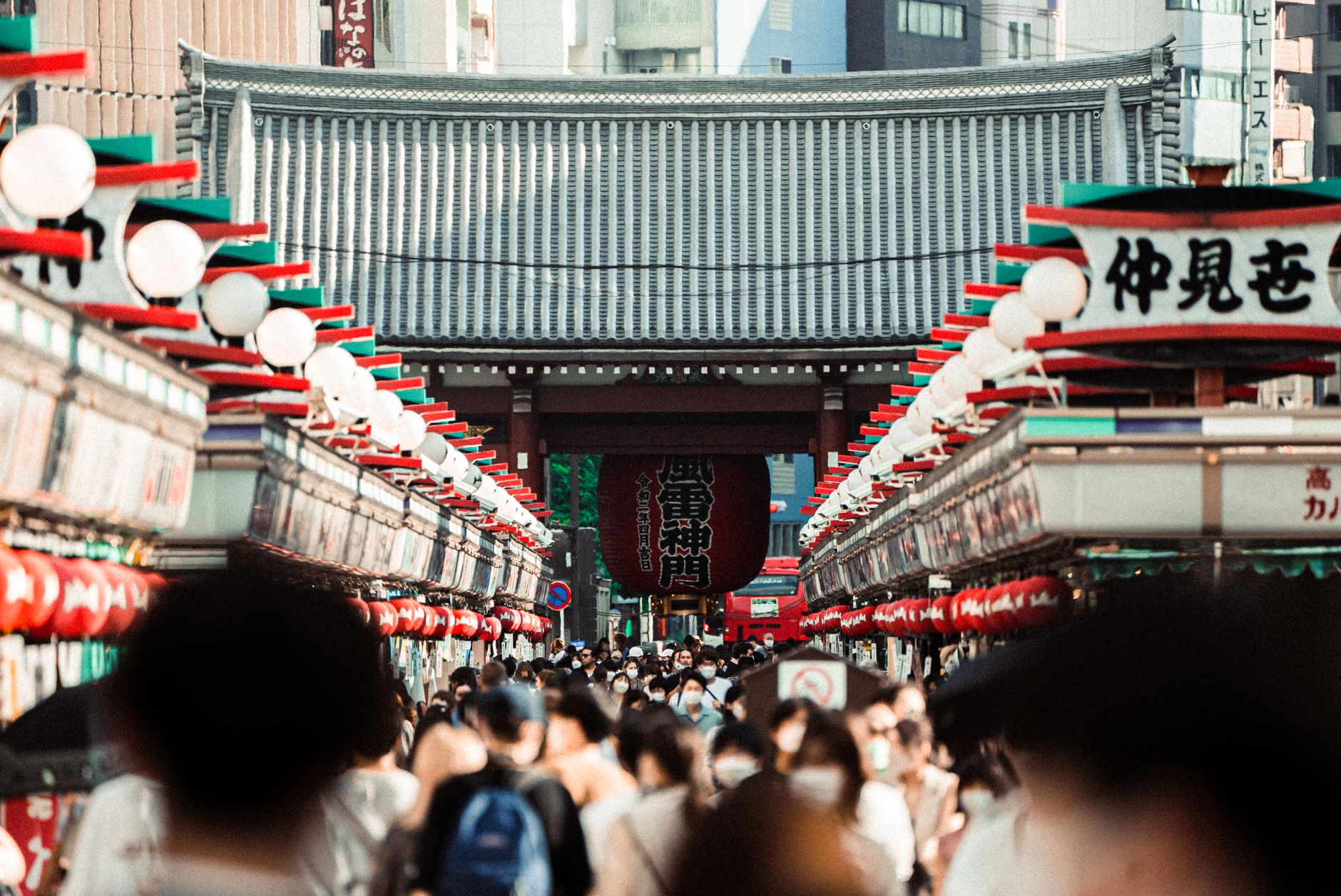
Japan is experiencing an unprecedented tourism boom in 2026, with record visitor numbers, new visa policies, and trending hotspots reshaping the global travel landscape this summer.
Japan has become the world's most sought-after travel destination in summer 2026, drawing record-breaking crowds as new visa rules, cultural festivals, and viral hotspots fuel an unprecedented tourism surge, according to Reuters and Japan National Tourism Organization data.
The Land of the Rising Sun is witnessing a historic influx of international visitors this year. The Japan National Tourism Organization (JNTO) reported over 4.2 million arrivals in June 2026 alone, the highest monthly figure since records began. This surge is attributed to relaxed visa requirements, a weakened yen, and a global appetite for unique cultural experiences.

Visa Policy Overhaul Spurs Influx
Japan’s Ministry of Foreign Affairs announced sweeping changes to tourist visa policies in early 2026. Citizens from over 70 countries, including the United States, UK, Australia, and India, can now enter Japan visa-free for up to 60 days. This policy shift, implemented in March, has been a game-changer for inbound tourism, as reported by The Japan Times.Tour operators and airlines have responded quickly, adding new direct flights and expanding tour packages to meet soaring demand. Japan Airlines and ANA have increased capacity on transpacific and European routes by 30% compared to 2025, according to company press releases.
Tokyo and Kyoto Lead the Trend
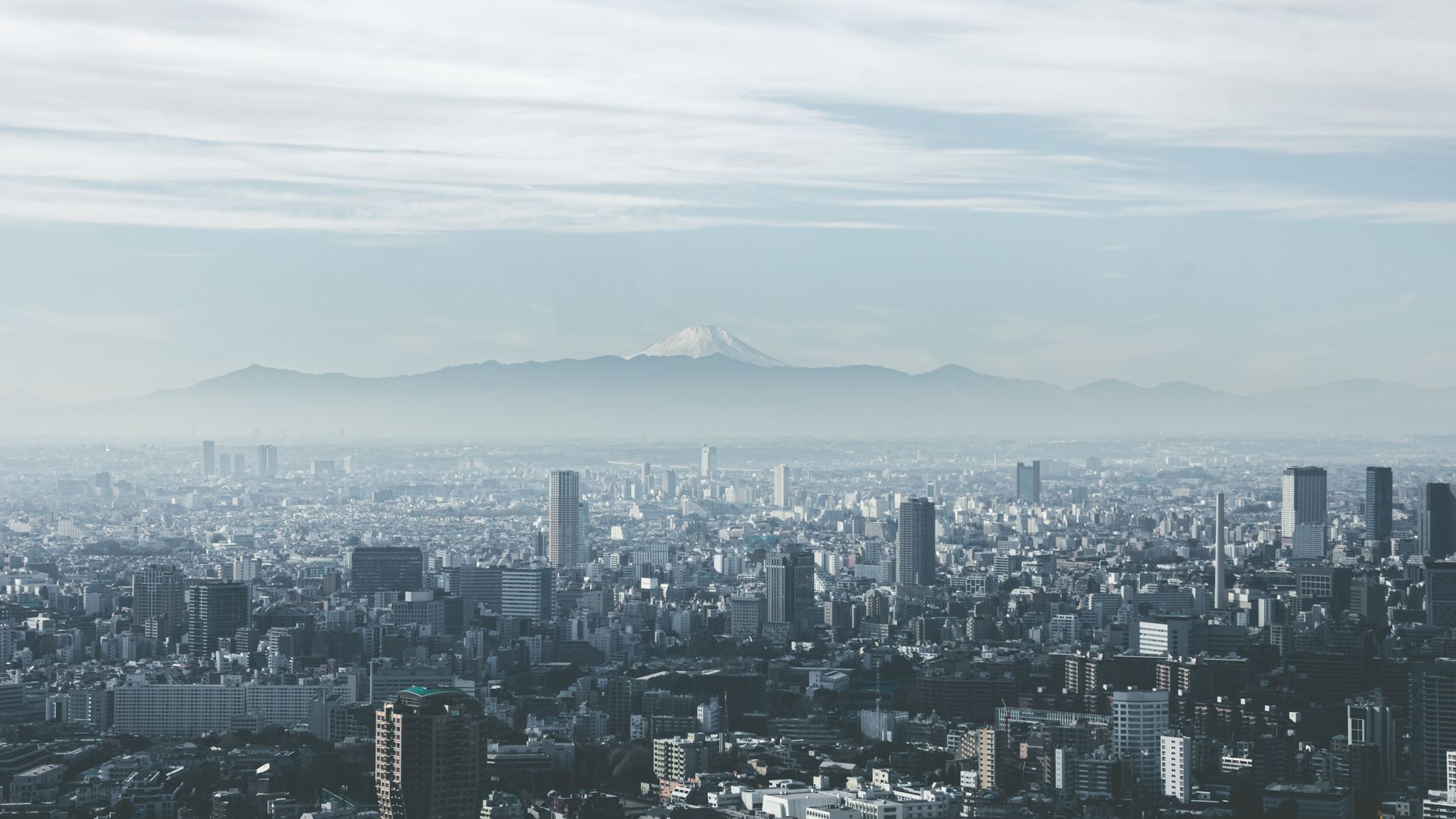
Tokyo remains the top entry point, with its vibrant neighborhoods, Michelin-starred dining, and the newly opened Shibuya Sky Park drawing millions. Kyoto’s ancient temples and the return of the Gion Matsuri festival—held in full scale for the first time since the pandemic—are captivating global audiences, as covered by CNN Travel.Social media platforms like TikTok and Instagram have amplified the buzz, with hashtags like #JapanSummer2026 and #KyotoFestival trending worldwide. Influencers are spotlighting lesser-known gems such as Kanazawa’s samurai districts and Okinawa’s subtropical beaches, prompting a wave of off-the-beaten-path travel.

Rural Destinations See Unprecedented Growth
While urban centers remain popular, rural prefectures are experiencing a tourism renaissance. According to Nikkei Asia, regions like Hokkaido, Tottori, and Kagawa have seen visitor numbers double compared to last summer. The government’s “Go Local” campaign, launched in April, offers discounts and rail passes for travel beyond the major cities.Local businesses are thriving. Ryokans (traditional inns) report full bookings months in advance, and farm-to-table dining experiences in rural Japan are attracting foodies from around the world. The Japan Times highlights the popularity of cycling tours through rice paddies and cherry orchards in Yamagata.

Economic Impact and Infrastructure Strain
Japan’s tourism windfall is providing a significant economic boost. The Ministry of Land, Infrastructure, Transport and Tourism estimates that inbound tourism revenue will exceed $60 billion USD in 2026, a 40% increase over 2025. Retail, hospitality, and transportation sectors are all benefiting.However, the surge has also exposed infrastructure challenges. Major tourist sites like Fushimi Inari Shrine and Mount Fuji are experiencing overcrowding, leading local authorities to introduce timed entry systems and visitor caps. The Yomiuri Shimbun reports that Tokyo’s subway system has added extra trains during peak hours to accommodate the influx.
Environmental and Cultural Preservation Efforts
Concerns over overtourism have prompted new sustainability initiatives. The Japanese government has launched campaigns encouraging responsible travel, waste reduction, and respect for local customs. UNESCO World Heritage sites now feature multilingual guides and QR codes to educate visitors on preservation.Local communities are also taking action. In Kyoto, residents have partnered with city officials to create 'quiet zones' and promote etiquette among tourists. According to NHK World, these efforts are helping to balance economic benefits with cultural integrity.

Tech Innovations Enhance Visitor Experience
Japan is leveraging technology to streamline tourism. AI-powered translation apps, contactless payment systems, and smart navigation tools are now ubiquitous in major cities. The Ministry of Economy, Trade and Industry reports that over 80% of tourist attractions now accept digital payments, up from 55% in 2024.Virtual reality tours and interactive museum exhibits are drawing younger travelers. The Edo-Tokyo Museum’s new VR experience, launched in May, allows visitors to explore historical Tokyo through immersive simulations, as featured in The Asahi Shimbun.

Pop Culture and Sporting Events Drive Interest
Japan’s global cultural influence is another major draw. The 2026 Pokémon World Festival in Yokohama, anime-themed cafés in Akihabara, and the highly anticipated Rugby World Cup qualifiers have all contributed to the tourism boom. According to Bloomberg, tickets for major events sold out within hours of release.Pop culture pilgrimages to locations featured in films and anime, such as Hakone (inspiration for 'Neon Genesis Evangelion'), are trending among international fans. Merchandise sales and themed attractions are generating significant revenue for local economies.
Challenges and the Road Ahead
Despite the positive momentum, Japan faces challenges in maintaining sustainable growth. Labor shortages in hospitality, rising accommodation prices, and concerns over cultural commodification are being debated by policymakers and industry leaders, as reported by The Mainichi.The government is investing in workforce training, infrastructure upgrades, and regional tourism promotion to ensure long-term viability. Experts predict that Japan’s appeal will remain strong, but emphasize the need for balanced development and continued innovation.
What’s Next for Japan’s Tourism Boom?
Looking ahead, Japan is preparing for the 2027 World Expo in Osaka, expected to attract millions more visitors. New attractions, such as the Studio Ghibli Park expansion and luxury sleeper trains, are set to debut in late 2026, keeping Japan at the forefront of global travel trends.Sources: This article references data and reporting from Reuters, The Japan Times, CNN Travel, Nikkei Asia, The Yomiuri Shimbun, NHK World, Bloomberg, The Asahi Shimbun, and official Japanese government sources.
Sources: Information sourced from Reuters, The Japan Times, CNN Travel, and official Japanese government reports.