
Japan’s cherry blossom season has sparked a record influx of international tourists in 2026, transforming cities and local economies as travelers flock to witness the iconic sakura bloom.
Japan’s cherry blossom season is drawing record-breaking crowds in 2026, with millions of international tourists flooding Tokyo, Kyoto, and Osaka to witness the iconic sakura bloom, according to Japan National Tourism Organization (JNTO) data released this week.
This year’s cherry blossom season, which typically runs from late March to early April, has seen an unprecedented surge in global visitors. The influx is attributed to pent-up travel demand and a coordinated international marketing campaign, as reported by The Japan Times.

Background: Sakura’s Global Appeal
The cherry blossom, or sakura, holds deep cultural significance in Japan, symbolizing renewal and the fleeting beauty of life. Each spring, locals and tourists alike gather for hanami, or flower-viewing parties, under blooming trees in parks and along riversides.In recent years, sakura season has become a major driver of Japan’s tourism industry. According to the Japan Tourism Agency, cherry blossom-related travel contributed over $2.5 billion to the economy in 2025, a figure expected to be surpassed this year.
2026: A Banner Year for Tourism
This year’s sakura bloom coincides with relaxed travel restrictions and new direct flight routes from North America, Europe, and Southeast Asia. JNTO reports a 38% year-on-year increase in international arrivals for March and April.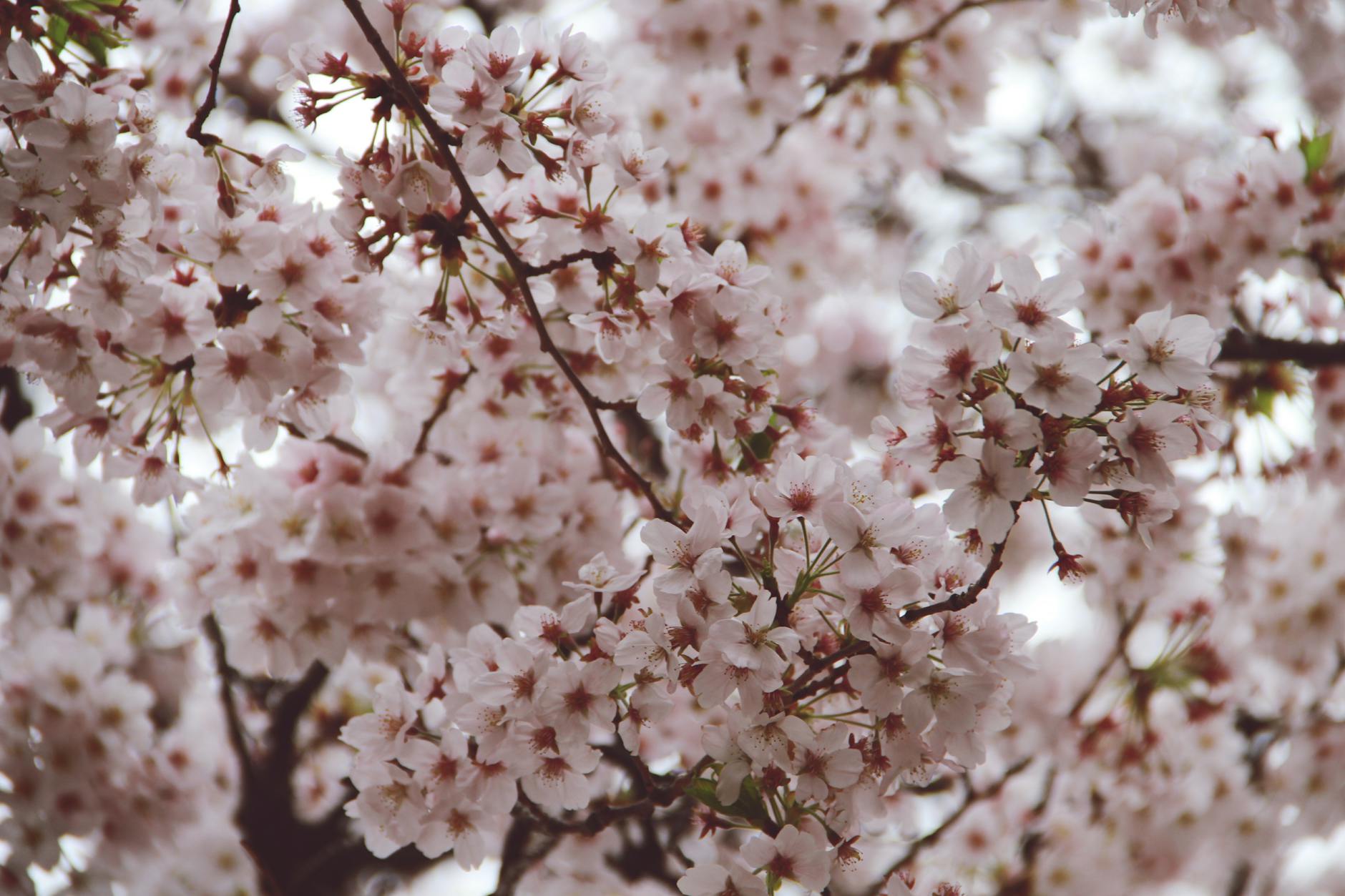
Tokyo’s Ueno Park, Kyoto’s Maruyama Park, and Osaka Castle Park are among the top destinations, with hotel occupancy rates exceeding 95%, according to Nikkei Asia. Local governments have extended public transport hours and increased security to manage the crowds.
Key Details: Record Numbers and Economic Impact
The Ministry of Land, Infrastructure, Transport and Tourism estimates over 4.1 million foreign tourists visited Japan in March 2026, the highest monthly figure since tourism records began.Spending by foreign visitors is projected to reach $3.2 billion this sakura season, with significant boosts to hospitality, retail, and food sectors. The surge has also led to a spike in demand for guided tours, traditional kimono rentals, and local cuisine experiences.
Airbnb reports a 44% increase in bookings compared to 2025, particularly in smaller cities like Kanazawa and Fukuoka, as travelers seek less crowded spots for hanami, according to Bloomberg.
Challenges: Crowds, Conservation, and Community Response
The influx has not been without challenges. Overcrowding at popular sites has prompted local authorities to implement timed entry systems and crowd control measures. Environmental groups have raised concerns about litter and damage to delicate cherry trees.In response, the Japan Cherry Blossom Association has launched educational campaigns on responsible tourism, urging visitors to respect park rules and dispose of waste properly. Volunteers have been mobilized to support cleanup efforts in major parks.
Some Kyoto residents have voiced concerns about overtourism and disruptions to daily life, as reported by NHK World. City officials are considering new regulations to balance tourism benefits with community well-being.
Analysis: Why Sakura Season Is Booming Now
Analysts attribute the 2026 boom to several factors: the reopening of Asia-Pacific borders post-pandemic, viral social media campaigns featuring drone footage of blossoms, and a weak yen making Japan more affordable for foreign travelers.Travel influencers on TikTok and Instagram have played a key role, with #Sakura2026 trending globally. According to Skyscanner, searches for flights to Japan in March and April doubled compared to last year.
Japan’s government has also invested in multilingual signage, digital guides, and real-time blossom forecasts, making the experience more accessible for international visitors. This digital transformation is credited with improving tourist satisfaction, according to The Asahi Shimbun.

Impact: Local Economies and Cultural Exchange
The economic windfall is evident in both major cities and rural areas. Small businesses, from tea houses to souvenir shops, report record sales. Cultural exchange programs and local festivals have seen increased participation from overseas guests.Tourism officials highlight the positive impact on regional revitalization, as visitors venture beyond traditional hotspots. This dispersal is helping to address overtourism in central Tokyo and Kyoto, while boosting lesser-known destinations.
What’s Next: Sustainable Tourism and the Future of Sakura Season
Looking ahead, Japan aims to balance growth with sustainability. The Ministry of Environment is piloting eco-friendly initiatives, such as biodegradable picnic supplies and green transport options for tourists.Tourism agencies are promoting off-peak travel and encouraging visitors to explore alternative blossom sites, including Hirosaki and Matsumoto. These efforts seek to preserve the magic of sakura season for future generations.
Sources: Japan National Tourism Organization, The Japan Times, Nikkei Asia, Bloomberg, NHK World, Skyscanner, The Asahi Shimbun.
Sources: Information sourced from Japan National Tourism Organization, The Japan Times, Nikkei Asia, Bloomberg, NHK World, Skyscanner, and The Asahi Shimbun.