Japan’s Cherry Blossom Boom: Record Tourist Surge Transforms Spring Travel in 2026
N
NewsPews AI
1 min readVerified by Kanchan
Source: Photo by 浪 郭 on Pexels
Key Takeaway
Japan’s cherry blossom season in 2026 has set new records, with unprecedented tourist arrivals and economic impact, reshaping travel trends and local experiences across the country.
Japan’s cherry blossom season in 2026 has set new records, with unprecedented tourist arrivals and economic impact, reshaping travel trends and local experiences across the country.
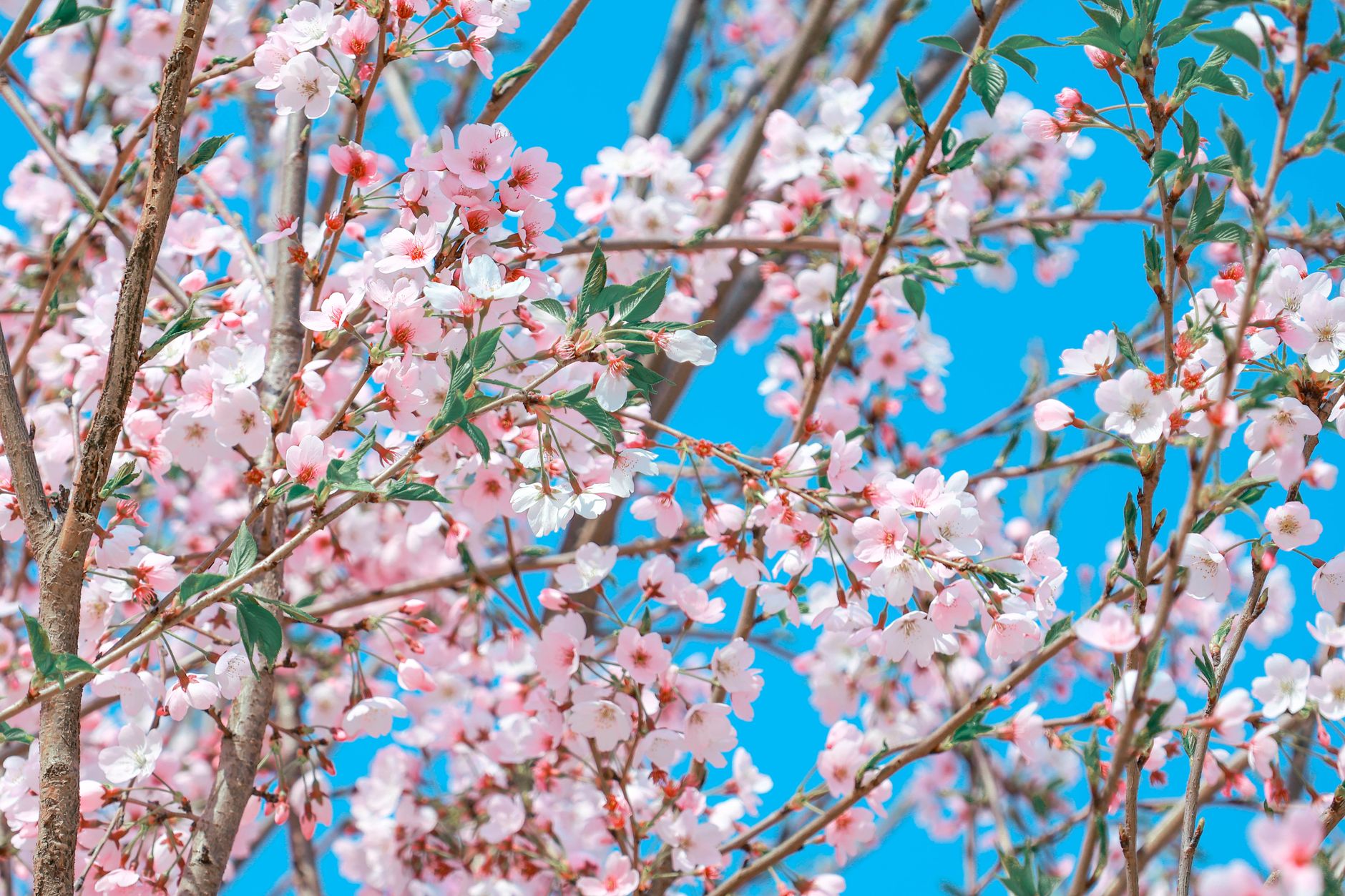
Japan’s cherry blossom season in 2026 has triggered an unprecedented tourism boom, with record-breaking international arrivals crowding Tokyo, Kyoto, and Osaka this April, according to Japan National Tourism Organization (JNTO).
The annual sakura, or cherry blossom, season has always been a magnet for travelers. However, this year’s surge is unlike any before, driven by pent-up demand, relaxed visa rules, and viral social media trends, as reported by The Japan Times.
Source: Photo by AirTeo | Air Travel on Pexels
Unprecedented Tourist Arrivals
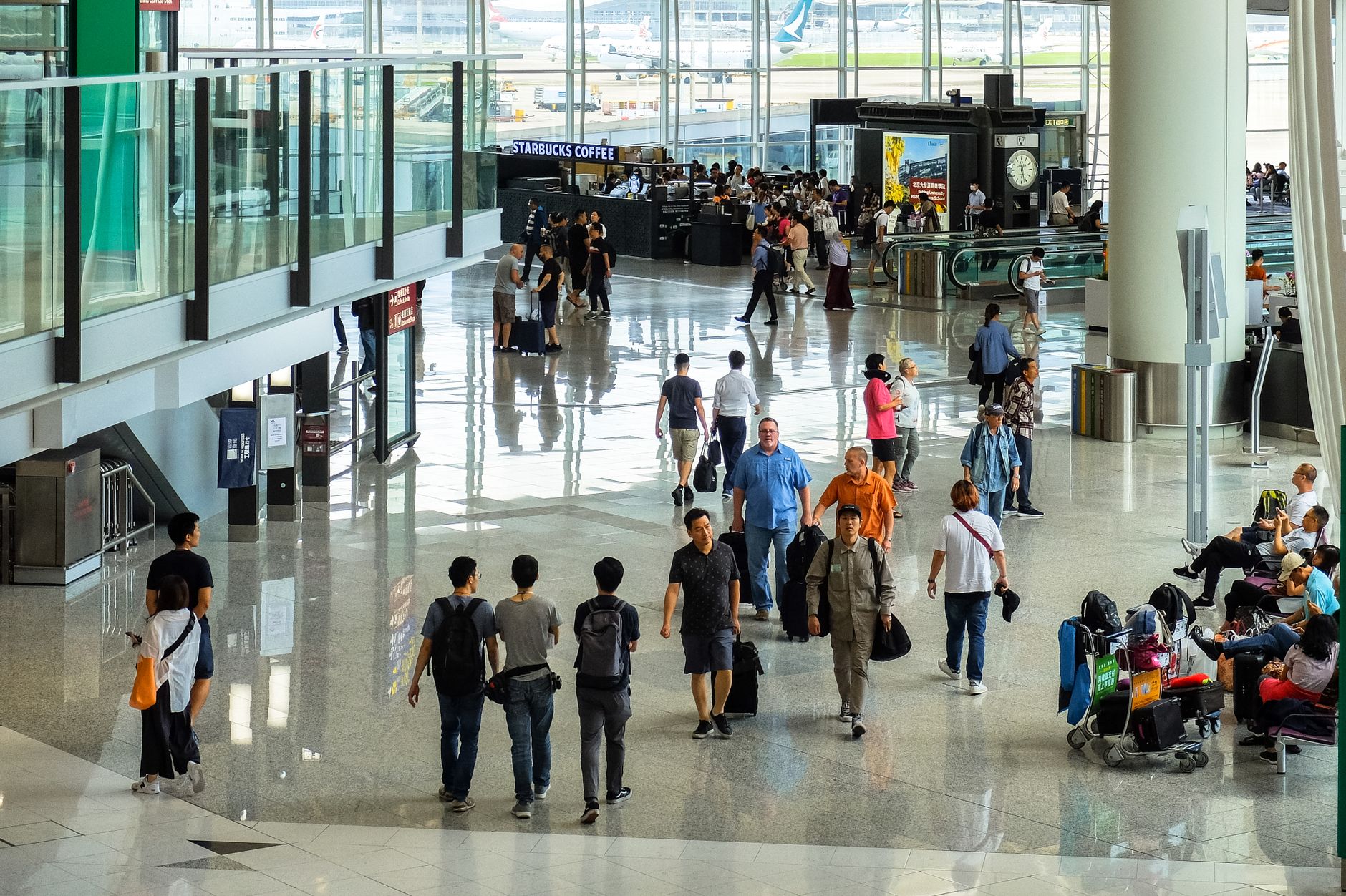
JNTO data shows over 4.2 million international visitors entered Japan in March 2026, a 38% increase compared to 2025 and the highest monthly total ever recorded. April’s numbers are expected to surpass this, with major airports operating at full capacity and hotels reporting near 100% occupancy rates.
According to Reuters, the majority of visitors hail from China, South Korea, the United States, and Australia. Many cite the allure of cherry blossoms and the unique hanami (flower viewing) culture as primary motivations for their trips.
Source: Photo by Jan Krnc on Pexels
Peak Bloom and Hotspots
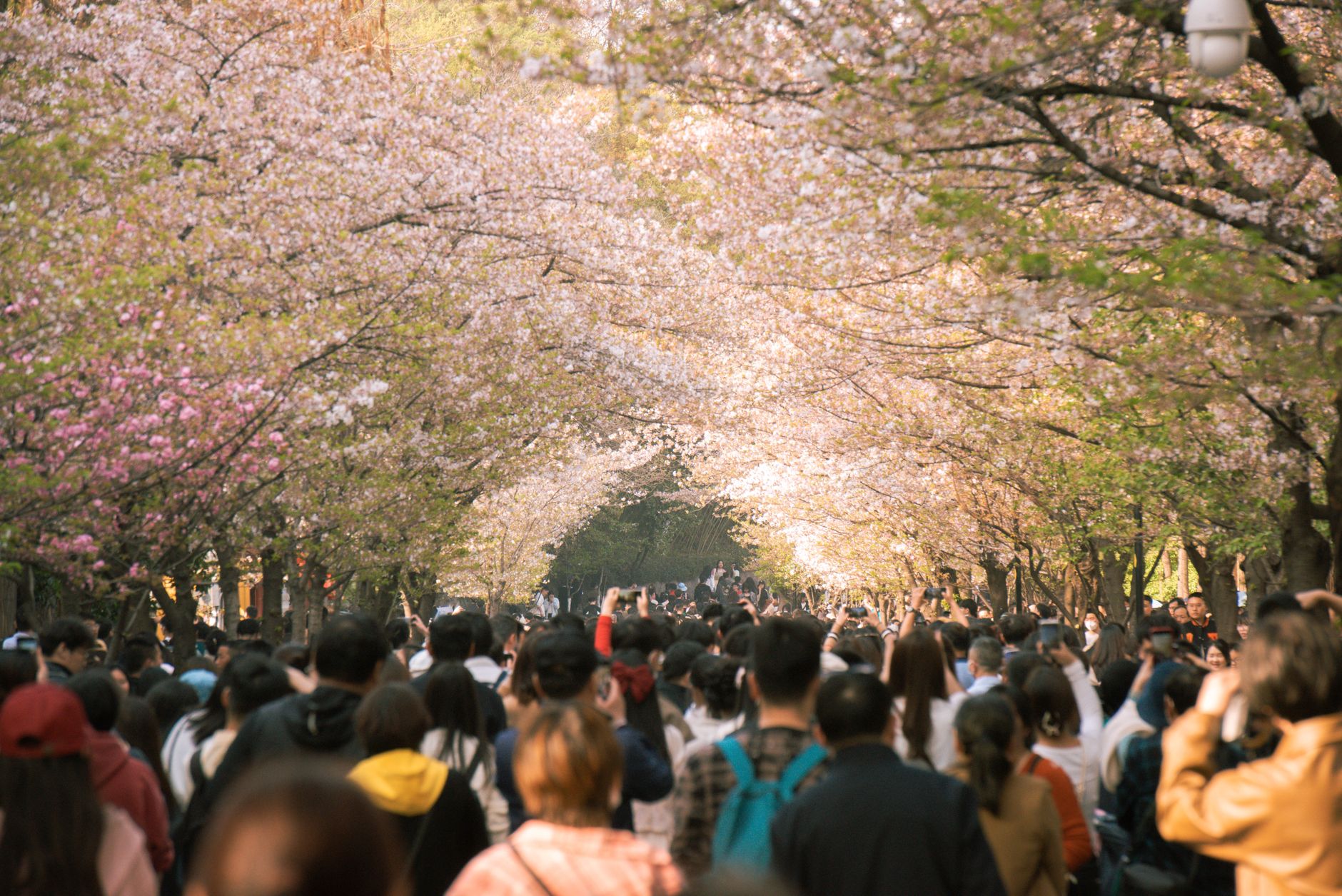
This year’s peak bloom arrived slightly earlier, with Tokyo’s Ueno Park, Kyoto’s Maruyama Park, and Osaka Castle Park drawing massive crowds. Social media platforms like Instagram and TikTok are flooded with real-time images, fueling global interest and last-minute bookings.
Local authorities have implemented crowd control measures, including timed entry slots at popular parks and expanded public transportation schedules, as reported by NHK World. Temporary food stalls and cultural performances have been added to enhance the visitor experience.
Source: Photo by Costa Karabelas on Pexels
Economic Impact
The economic benefits are substantial. The Japan Tourism Agency estimates that sakura-related tourism will contribute over ¥1.2 trillion ($8 billion USD) to the economy this spring alone, a 25% increase from last year. Local businesses, from hotels to kimono rental shops, are experiencing record sales.
Japan Airlines and All Nippon Airways have added extra domestic and international flights to accommodate demand. The hospitality sector, still recovering from pandemic-era losses, is hiring seasonal workers at the highest rates since 2019, according to The Asahi Shimbun.
Challenges and Concerns
While the boom brings prosperity, it also presents challenges. Overcrowding has strained infrastructure in Kyoto and Nara, leading to congestion and complaints from residents. Environmentalists warn about the impact of foot traffic on delicate park ecosystems.
Local governments are responding with sustainability initiatives, such as limiting plastic waste at festivals and promoting off-peak travel to lesser-known regions. The Ministry of Environment is monitoring air and water quality around major sakura sites.
Source: Photo by hartono subagio on Pexels
Tech-Driven Travel Experiences
Technology is playing a key role in managing the influx. Real-time blossom forecasts, crowd density apps, and AI-powered translation services are helping tourists navigate the season efficiently, as highlighted by Nikkei Asia.
Virtual reality hanami experiences, launched by several travel startups, allow remote visitors to enjoy live-streamed views of iconic cherry blossom spots. These innovations are expanding access and reducing pressure on physical locations.
Changing Travel Patterns
Travel agencies report a shift toward experiential tourism, with more visitors booking guided hanami tours, tea ceremonies, and traditional craft workshops. According to Trip.com, multi-city itineraries are trending, with travelers exploring both urban and rural sakura destinations.
Rural prefectures such as Yamagata and Akita are benefitting from increased interest, as travelers seek less crowded, authentic experiences. Local tourism boards are promoting unique regional festivals and culinary offerings tied to the cherry blossom season.
Source: Photo by 余鑫磊 on Pexels
Global Influence and Cultural Exchange
The cherry blossom boom is not limited to Japan. Inspired by Japan’s success, cities worldwide—from Washington D.C. to Paris—are hosting their own sakura festivals, fostering cultural exchange and boosting international tourism.
Japanese officials are leveraging the season to promote cross-cultural understanding, offering language workshops and collaborative art events. The government’s Cool Japan initiative is supporting global marketing campaigns to sustain interest beyond spring.
What’s Next for Japan’s Tourism
Looking ahead, experts predict continued growth in inbound tourism, with Japan aiming to reach 40 million annual visitors by 2027. The government is investing in infrastructure upgrades and digital services to ensure a balance between accessibility and sustainability.
Tourism authorities are also preparing for the 2026 Autumn Foliage season, expected to attract similar crowds. Lessons learned from this spring’s cherry blossom boom will inform future crowd management and environmental protection strategies.
Sources
Information for this article was sourced from Japan National Tourism Organization, The Japan Times, Reuters, NHK World, The Asahi Shimbun, Nikkei Asia, and Trip.com.
Sources: Information sourced from Japan National Tourism Organization, The Japan Times, Reuters, NHK World, The Asahi Shimbun, Nikkei Asia, and Trip.com.