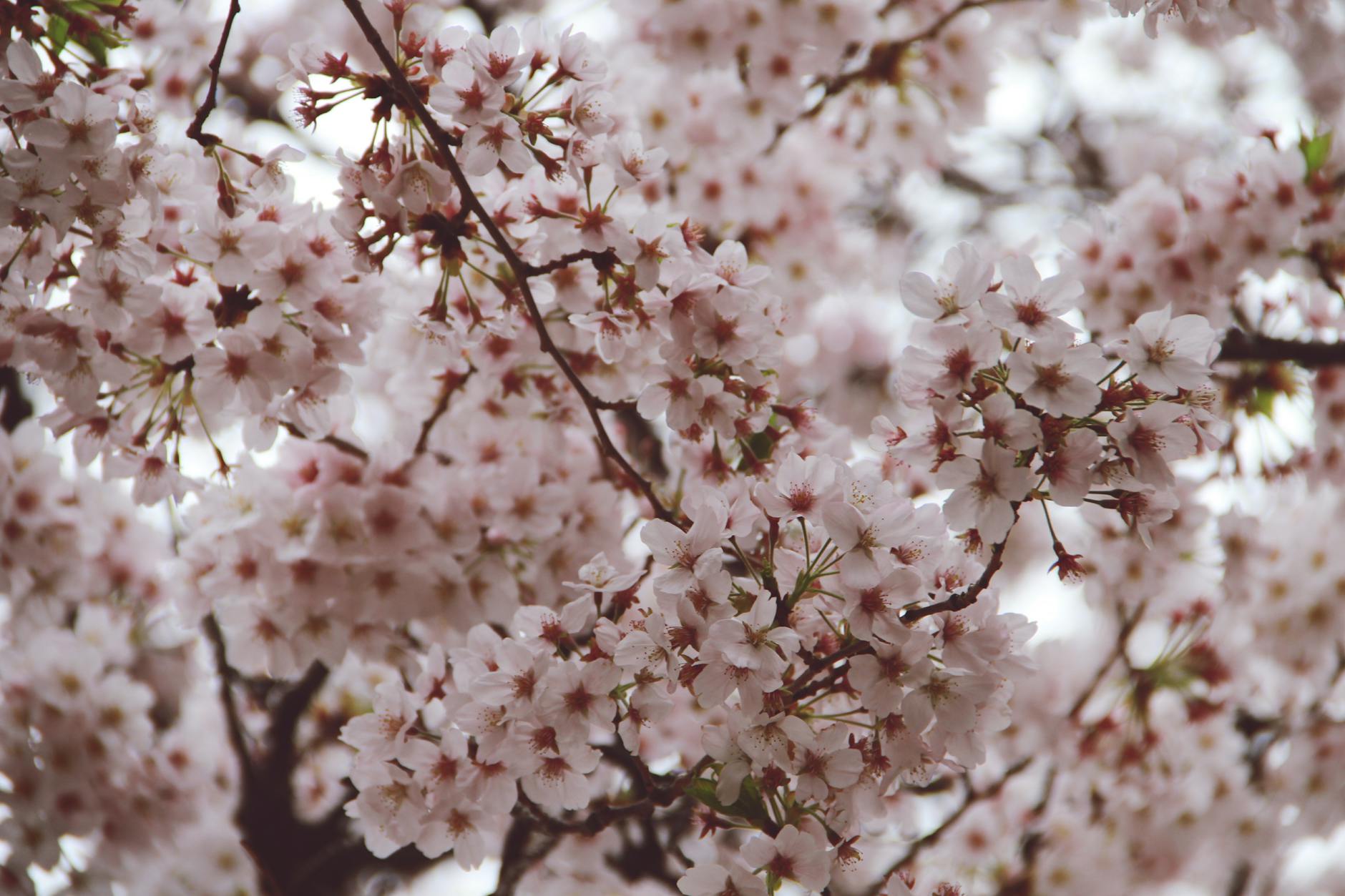
Japan’s cherry blossom season in 2026 is witnessing unprecedented international tourism, with record arrivals, new travel trends, and major impacts on local economies and infrastructure across the country.
Japan’s iconic cherry blossom season is attracting record numbers of global tourists in March 2026, with cities like Tokyo, Kyoto, and Osaka experiencing unprecedented crowds and economic activity, according to the Japan National Tourism Organization (JNTO).
The annual sakura (cherry blossom) bloom has long been a symbol of spring in Japan, but this year’s season is breaking all previous records for international arrivals. JNTO reports a 35% increase in foreign visitors compared to 2025, fueled by pent-up demand, relaxed visa regulations, and viral social media coverage.

Travel industry analysts attribute the surge to several factors. The Japanese government’s new e-visa system, launched in late 2025, has streamlined entry for travelers from over 60 countries. Additionally, the global popularity of Japanese culture and a strong yen have made the destination especially appealing, as noted by The Japan Times.
Unprecedented Crowds at Top Sakura Spots

Major cherry blossom viewing locations such as Ueno Park in Tokyo, Maruyama Park in Kyoto, and Osaka Castle Park have reported crowd sizes not seen in decades. According to NHK, Ueno Park welcomed over 1.2 million visitors in the first week of March alone, a 40% jump from last year.
Local authorities have implemented crowd control measures, including timed entry tickets and expanded public transport schedules. Despite these efforts, travelers are experiencing wait times of up to two hours for prime photo spots, as reported by CNN Travel.
Economic Windfall for Local Businesses

The tourism boom is delivering a significant boost to Japan’s hospitality and retail sectors. Data from the Japan Tourism Agency shows hotel occupancy rates in Tokyo and Kyoto exceeding 95% for March, with average nightly prices up 28% year-on-year.
Restaurants, souvenir shops, and transportation companies are also benefiting. The Nikkei reports that spending by foreign tourists is expected to surpass ¥1 trillion ($6.7 billion USD) during the sakura season, a new record for spring travel in Japan.
Social Media Drives New Travel Trends

Platforms like Instagram, TikTok, and Weibo are playing a major role in shaping travel patterns. Viral posts featuring lesser-known cherry blossom sites, such as Hirosaki Castle in Aomori and the Philosopher’s Path in Kyoto, have led to surges in visitors to these locations, according to The Asahi Shimbun.
Tour operators are offering new guided tours focused on 'hidden gem' sakura spots, eco-friendly travel, and cultural experiences. JTB, Japan’s largest travel agency, reports a 50% increase in bookings for off-the-beaten-path destinations compared to 2025.
Infrastructure and Environmental Challenges

The influx of tourists is straining local infrastructure. Cities are expanding shuttle bus services, increasing waste collection, and deploying multilingual staff at major sites. However, concerns about overcrowding and environmental impact persist. The Mainichi reports that some parks are limiting picnic areas to reduce litter and protect fragile cherry trees.
Environmental groups are urging visitors to follow 'leave no trace' principles. The Japan Environmental Council has launched awareness campaigns in English, Chinese, and Korean, emphasizing responsible tourism during the peak bloom period.
International Arrivals: Who’s Traveling?
According to JNTO, the largest groups of foreign visitors this season are from China, South Korea, the United States, and Australia. Notably, Southeast Asian arrivals have doubled since 2024, reflecting growing interest from Thailand, Vietnam, and Indonesia.
Many travelers are combining cherry blossom viewing with other cultural experiences, such as tea ceremonies, kimono rentals, and traditional ryokan stays. The Japan Times highlights a surge in demand for guided tours in English and Mandarin.
What’s Next for Japan’s Tourism Sector?
Industry experts predict the cherry blossom boom will have lasting effects on Japan’s travel sector. The government is investing in sustainable tourism initiatives, including capacity management and regional promotion, to balance economic gains with preservation of cultural and natural heritage.
Looking ahead, travel agencies are already reporting strong bookings for the 2027 sakura season. Analysts expect Japan to remain a top global destination, with cherry blossom tourism serving as a model for managing seasonal travel surges.
Sources
- Japan National Tourism Organization (JNTO)
- The Japan Times
- NHK
- CNN Travel
- The Nikkei
- The Asahi Shimbun
- The Mainichi
Sources: Information sourced from Japan National Tourism Organization, The Japan Times, NHK, CNN Travel, The Nikkei, The Asahi Shimbun, and The Mainichi.