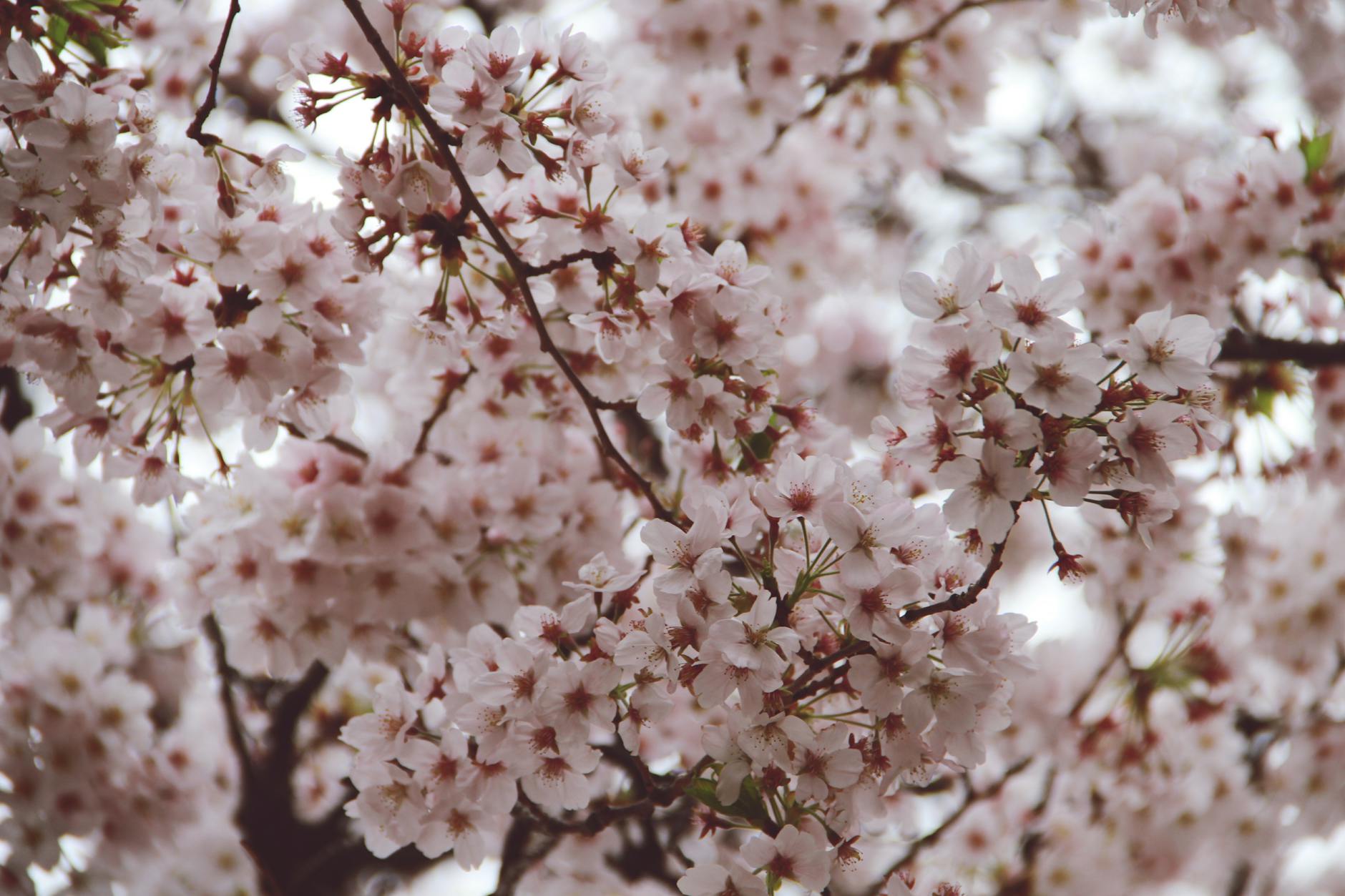
Japan’s 2026 cherry blossom season is attracting unprecedented international travelers, breaking tourism records and reshaping local economies, according to new data from Japan’s National Tourism Organization.
Japan’s iconic cherry blossom season is experiencing a historic surge in global visitors this spring, with tourism numbers reaching all-time highs across Tokyo, Kyoto, and Osaka, according to the Japan National Tourism Organization (JNTO) on February 26, 2026.
The annual sakura bloom, typically peaking from late March to early April, has always been a magnet for travelers. However, this year’s influx is unprecedented, with JNTO reporting a 32% increase in international arrivals compared to 2025. Major cities are bustling with tourists eager to witness the fleeting beauty of cherry blossoms and participate in centuries-old hanami (flower viewing) traditions.

Background: Sakura’s Global Appeal
Japan’s cherry blossom season has long symbolized renewal and the ephemeral nature of life. The tradition of hanami dates back over a thousand years, drawing locals and foreigners alike. In recent years, social media has amplified the global allure of sakura, with Instagram and TikTok flooded by picturesque scenes from Japan’s parks and riversides.According to the Japan Times, 2026 marks the earliest and most widespread bloom in a decade, attributed to a mild winter and ideal spring temperatures. The Japan Meteorological Agency confirmed that blossoms began opening in Tokyo as early as March 18, a week ahead of the historical average.
Record-Breaking Tourism Numbers
JNTO data shows over 4.1 million international visitors arrived in Japan in March alone, surpassing the pre-pandemic high of 3.2 million in 2019. The surge is led by travelers from China, South Korea, the United States, and Australia, with European arrivals also climbing.Travel agencies report sold-out tours and hotels in sakura hotspots. Booking.com noted a 45% spike in reservations for Kyoto and a 38% increase for Tokyo during the peak bloom period. Airlines such as ANA and Japan Airlines have added extra flights to accommodate demand.

Economic Impact on Local Communities
Local economies are reaping the benefits. The Nikkei Asia reports that spending by foreign tourists is projected to reach ¥1.3 trillion ($8.7 billion USD) during the cherry blossom season, a 27% jump from last year. Small businesses, street vendors, and traditional inns (ryokan) are seeing record profits.Kyoto’s Gion district, famous for its historic temples and geisha culture, has implemented crowd management measures to cope with the influx. City officials told NHK World that additional staff and signage have been deployed to guide tourists and minimize congestion.

Social Media’s Role in the Trend
Social platforms are fueling the cherry blossom craze. According to a 2026 survey by Statista, #sakura2026 has trended globally with over 12 million posts on Instagram and 1.8 billion views on TikTok. Influencers and travel bloggers are partnering with Japanese tourism boards to promote less-crowded viewing spots.The viral spread of drone footage and real-time bloom maps has made planning easier for travelers. JNTO’s official app, launched in January 2026, offers live updates on blossom status, crowd levels, and recommended routes, further enhancing visitor experience.
Environmental and Cultural Considerations
The record crowds have prompted concerns about environmental impact and cultural preservation. The Asahi Shimbun reports that local governments are increasing patrols to prevent littering and damage to delicate cherry trees. Educational campaigns in multiple languages remind visitors of proper hanami etiquette.Some temples and parks have introduced timed entry systems to limit foot traffic. In Kyoto’s Maruyama Park, for example, visitors are required to reserve time slots online, a move praised by conservationists for reducing strain on ancient trees.
Analysis: Why 2026 Is Different
Experts attribute this year’s boom to several factors. Relaxed post-pandemic travel restrictions, a weak yen making Japan more affordable, and pent-up demand for international experiences have all contributed. Additionally, the early and vibrant bloom has extended the viewing window, allowing more travelers to participate.Tourism analyst Keiko Nakamura told Reuters that Japan’s investment in digital infrastructure and multilingual services has made the country more accessible than ever. "Japan’s seamless blend of tradition and modernity is uniquely showcased during sakura season," Nakamura said.
Challenges and Opportunities
Despite the positive economic impact, some residents express concerns about overtourism. The Japan Times highlights complaints about overcrowded trains and noise in residential neighborhoods. Local governments are exploring sustainable tourism models, including promoting lesser-known regions and off-peak travel.The surge has also sparked innovation. Travel startups are offering guided virtual hanami experiences for those unable to visit in person, while traditional artisans are seeing renewed interest in sakura-themed crafts and cuisine.
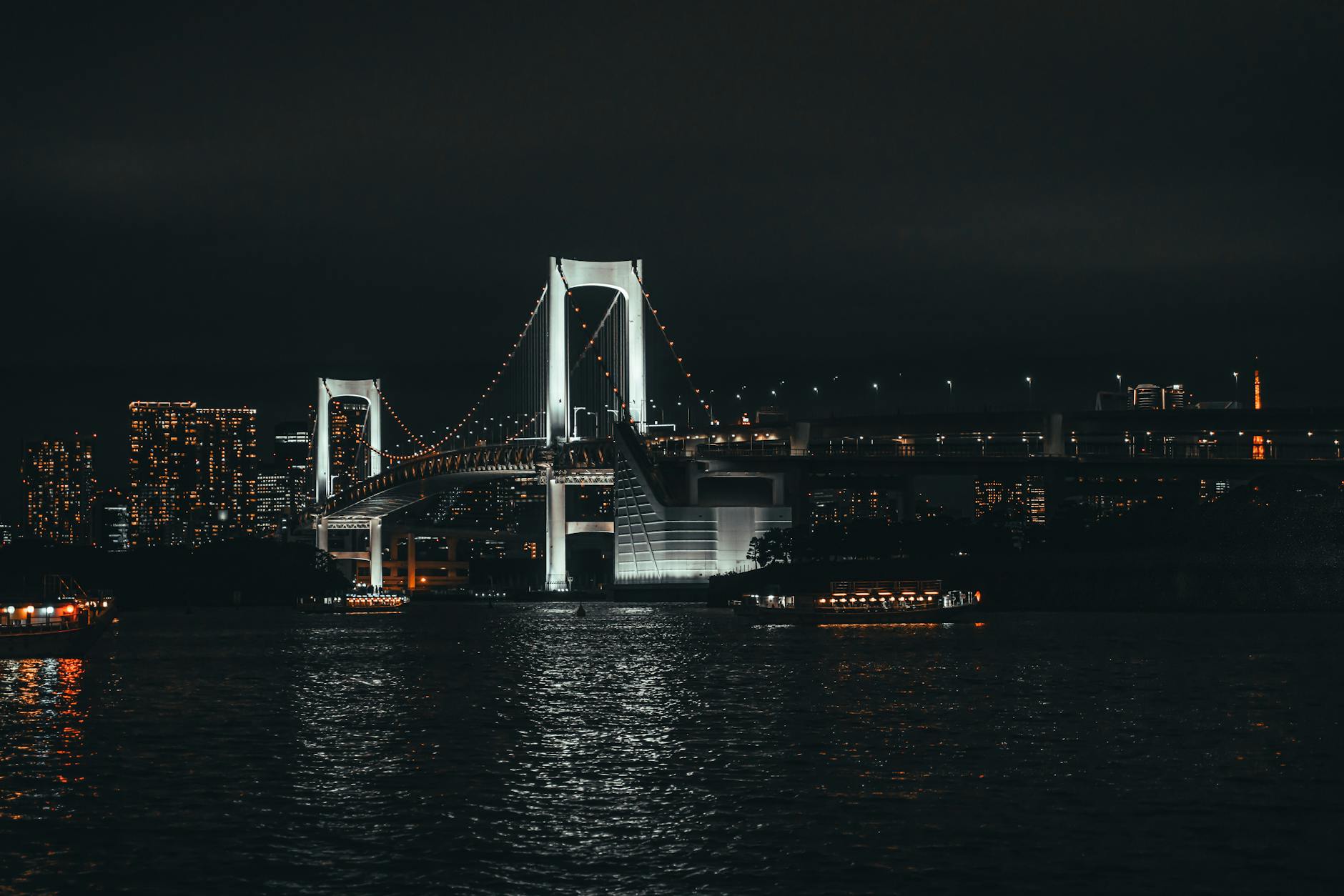
What’s Next: Future of Sakura Tourism
Looking ahead, Japanese authorities aim to balance growth with preservation. The Ministry of Land, Infrastructure, Transport and Tourism announced plans to invest ¥50 billion ($335 million USD) in sustainable tourism initiatives over the next three years.Experts predict that cherry blossom tourism will remain a key driver of Japan’s travel industry. With climate change affecting bloom patterns, scientists and horticulturists are working to preserve historic sakura varieties for future generations.
Sources
Information for this article was sourced from the Japan National Tourism Organization, The Japan Times, NHK World, Nikkei Asia, Reuters, The Asahi Shimbun, and Statista.Sources: Information sourced from Japan National Tourism Organization, The Japan Times, NHK World, Nikkei Asia, Reuters, The Asahi Shimbun, and Statista.