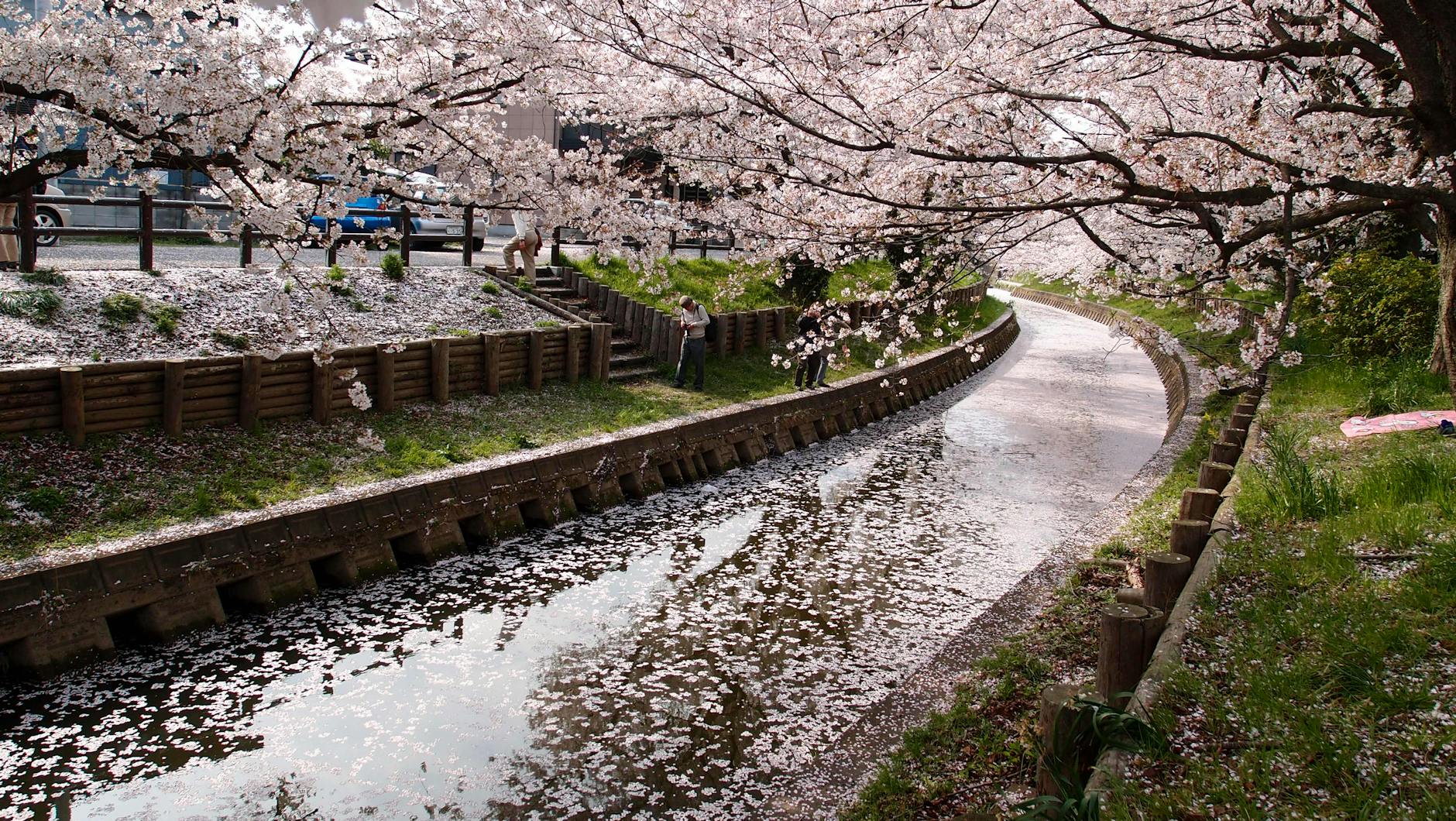

Record Tourism Numbers in 2026
JNTO reported that over 4.2 million international visitors arrived in Japan in the first two weeks of February 2026, a 38% increase compared to the same period in 2025. Major airports in Tokyo, Osaka, and Sapporo have seen peak passenger volumes, while hotel occupancy rates in sakura hotspots have reached near 100%, according to Nikkei Asia.
Background: The Allure of Sakura
The cherry blossom season typically lasts just a few weeks, with peak bloom dates varying by region. According to The Japan Times, the 2026 season began earlier than usual due to a mild winter, with Tokyo’s blossoms reaching full bloom by February 15. The ephemeral beauty of the flowers, combined with centuries-old hanami (flower viewing) traditions, continues to captivate visitors from around the world.
Economic Impact and Local Response
The influx of tourists has delivered a significant boost to local economies. According to the Ministry of Land, Infrastructure, Transport and Tourism, tourism revenue in February 2026 is projected to surpass ¥1.3 trillion (approximately $8.7 billion USD), a new monthly record. Local businesses, from hotels and restaurants to souvenir shops, are reporting strong sales.

Key Destinations: Where the Crowds Are Flocking
Tokyo’s Ueno Park has seen daily visitor numbers exceeding 50,000, with early morning queues for the best photo spots. Kyoto’s Philosopher’s Path, lined with hundreds of cherry trees, has become a must-see for international travelers. In northern Japan, Hirosaki Castle’s famous blossom tunnels are drawing record crowds, with local authorities extending park hours to accommodate demand.
Technology and Travel: The Digital Sakura Experience
Technology is playing a key role in managing the tourism boom. Real-time blossom forecasts, crowd density apps, and virtual hanami livestreams are helping visitors plan their trips and avoid overcrowded areas. According to The Asahi Shimbun, major telecom providers have rolled out free Wi-Fi zones in sakura parks to support the influx of international tourists sharing their experiences online.

Environmental Concerns and Sustainability Efforts
With the surge in visitors, environmental groups have raised concerns about the impact on delicate cherry trees and park ecosystems. Local governments have launched awareness campaigns urging responsible tourism, including waste reduction and respecting protected areas. According to WWF Japan, several parks have introduced eco-friendly initiatives, such as reusable picnic mats and digital guides to reduce paper waste.
Global Trends: Why Japan’s Sakura Is Trending Now
Analysts attribute the 2026 cherry blossom boom to several factors: the easing of international travel restrictions, a weaker yen making Japan more affordable, and the global popularity of Japanese culture. According to Skyscanner, flight bookings from the US, Europe, and Australia to Japan have doubled compared to pre-pandemic levels.
Looking Ahead: What’s Next for Japan’s Tourism Industry?
With the success of the 2026 cherry blossom season, industry experts predict continued growth in inbound tourism. The Japanese government is investing in infrastructure upgrades, digital services, and regional tourism development to distribute visitor traffic beyond major cities.
Sources
This article is based on information from Japan National Tourism Organization, Nikkei Asia, The Japan Times, NHK, The Asahi Shimbun, Ministry of Land, Infrastructure, Transport and Tourism, and WWF Japan.
Sources: Information sourced from Japan National Tourism Organization, Nikkei Asia, The Japan Times, NHK, The Asahi Shimbun, and WWF Japan reports.