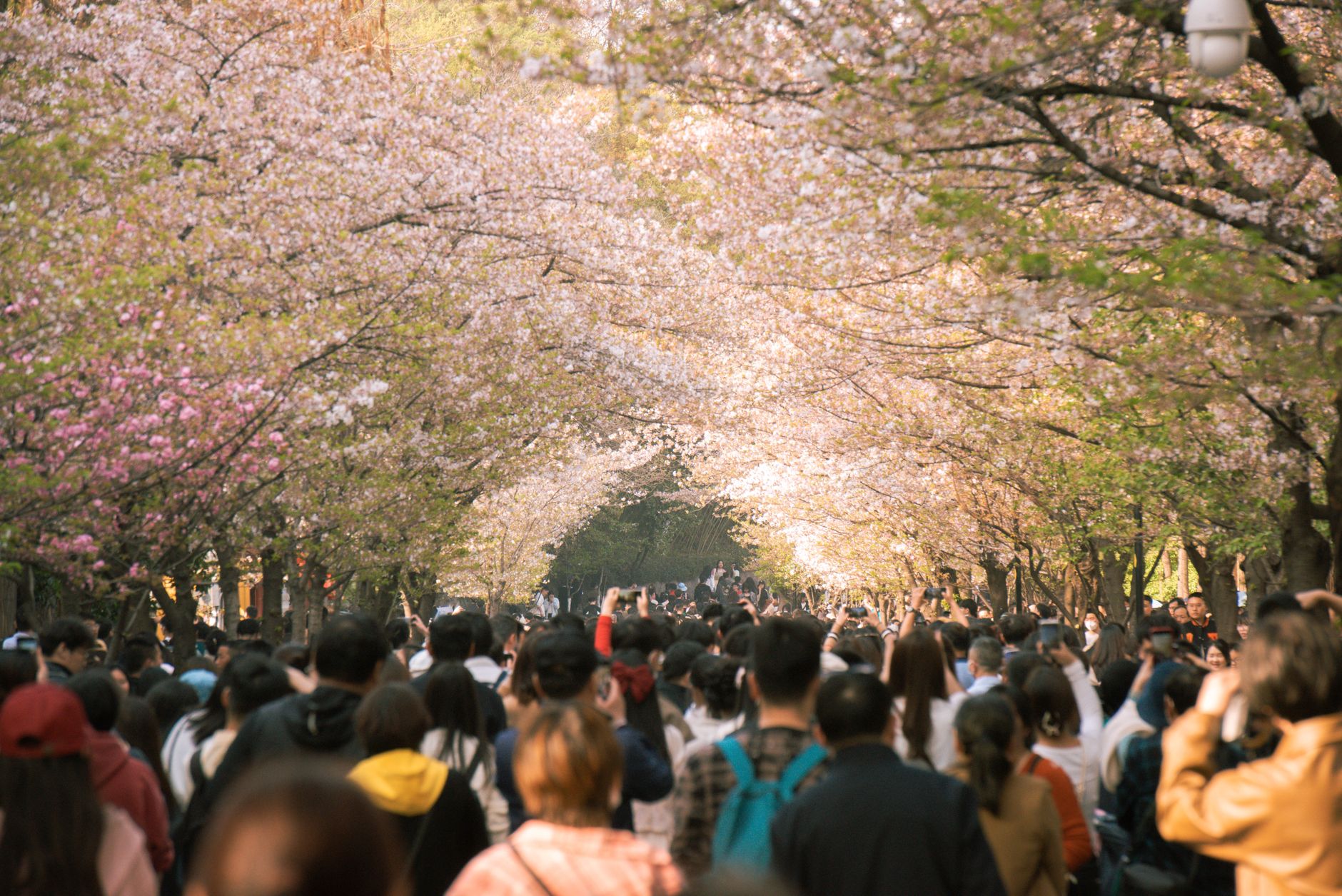
Japan's cherry blossom season in 2026 has set new tourism records, with millions flocking to iconic locations for Hanami. This article explores the surge, economic impact, and future outlook.
Japan’s cherry blossom season in March 2026 has sparked a tourism boom, with record-breaking numbers of international visitors crowding Tokyo, Kyoto, and Osaka for Hanami celebrations, according to Japan National Tourism Organization (JNTO).
The annual cherry blossom, or sakura, season has always been a highlight for both locals and travelers. This year, however, the phenomenon has reached unprecedented levels, with visitor numbers surpassing pre-pandemic records. Major parks and riversides have seen a surge in foot traffic, while hotels report near-full occupancy rates.

According to JNTO, over 3.2 million foreign tourists arrived in Japan in March 2026, marking a 15% increase compared to the same period in 2019. The surge is attributed to pent-up travel demand, relaxed visa policies, and extensive international marketing campaigns.
Background: The Allure of Sakura Season
Japan’s cherry blossom season typically begins in late March and lasts through early April. The fleeting beauty of the blossoms, which last only about a week, draws millions to participate in Hanami—picnics and gatherings under the blooming trees. The tradition dates back centuries and is deeply rooted in Japanese culture.
In 2026, meteorologists predicted an early bloom due to a warmer-than-average winter, prompting both domestic and international tourists to adjust their travel plans. Cities like Tokyo, Kyoto, and Osaka prepared for the influx by increasing public transportation and crowd management measures.
Key Destinations: Where the Crowds Are Gathering
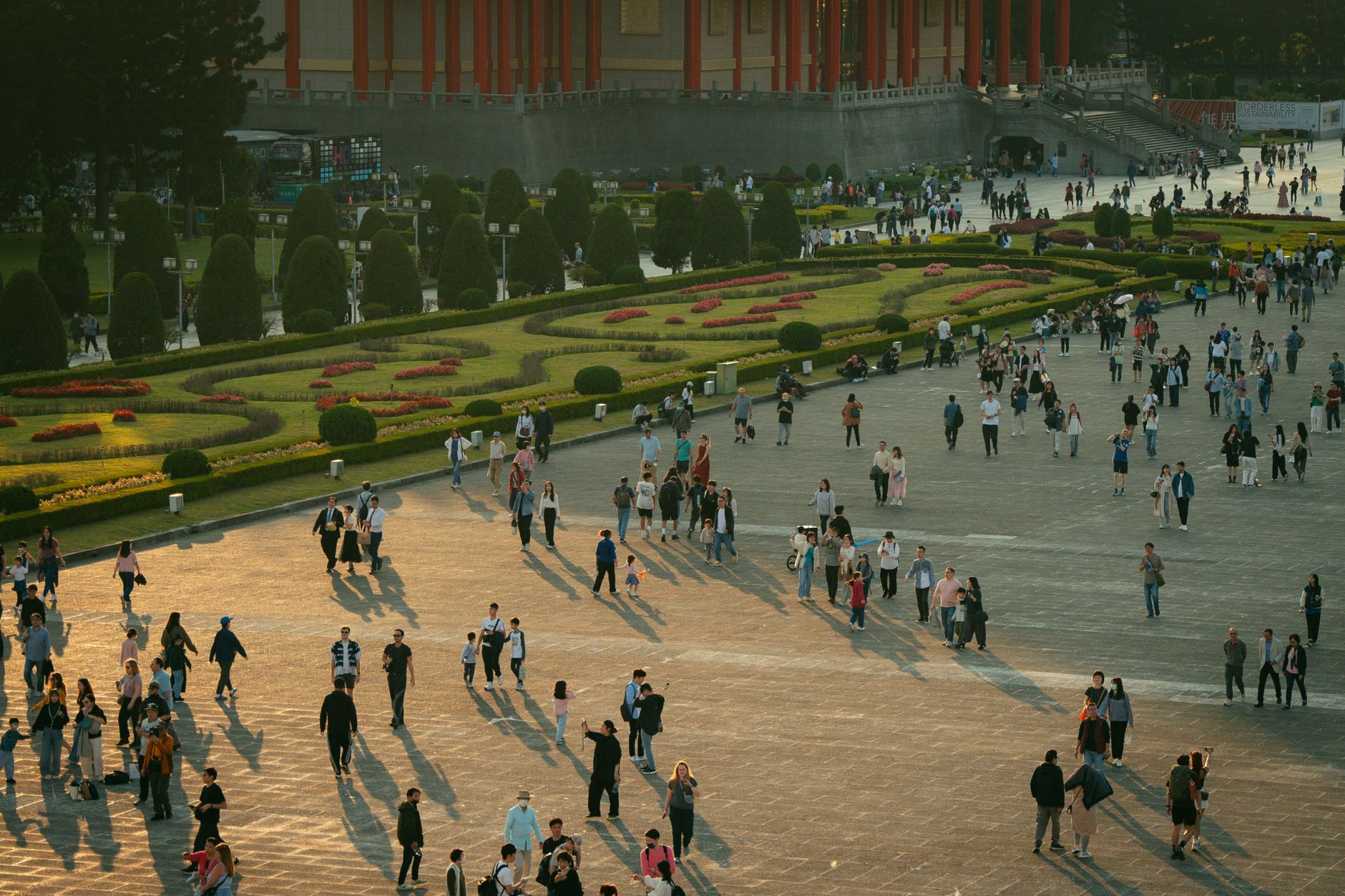
Tokyo’s Ueno Park and Meguro River have been particularly popular, with local authorities estimating over 500,000 visitors during peak bloom. Kyoto’s Maruyama Park and the Philosopher’s Path also saw record attendance, while Osaka Castle Park reported its highest footfall since 2018, as reported by The Japan Times.
Travel agencies such as JTB and HIS have noted a spike in packaged tours focusing on sakura hotspots. Many tourists are extending their stays to visit lesser-known locations, such as Hirosaki Castle in Aomori and Mount Yoshino in Nara, both renowned for their picturesque cherry blossom views.
Economic Impact and Local Response

The tourism surge has provided a significant boost to Japan’s economy. According to the Ministry of Land, Infrastructure, Transport and Tourism (MLIT), tourism revenue in March 2026 is projected to exceed ¥400 billion ($2.7 billion USD), a 20% increase from last year. Local businesses, including hotels, restaurants, and souvenir shops, have reported record sales.
However, the influx has also raised concerns about overcrowding and environmental impact. Municipalities have implemented crowd control measures, increased waste management efforts, and launched public awareness campaigns to preserve the delicate cherry blossom trees.
Analysis: Factors Behind the 2026 Boom
Experts attribute the record numbers to several factors. The easing of COVID-19 travel restrictions in late 2025 has unleashed pent-up demand, especially from neighboring Asian countries. Additionally, the Japanese government’s decision to simplify visa procedures for select countries has made travel more accessible.
Social media has played a pivotal role. Viral posts and livestreams of cherry blossom spots have inspired travelers worldwide. According to data from Instagram and TikTok, hashtags related to Japan’s cherry blossoms have trended globally throughout March, reaching over 1 billion views.
Airlines have responded by increasing flights to Japan, with Japan Airlines and All Nippon Airways reporting an 18% rise in international bookings. Hotel chains like Marriott and local ryokans have expanded their offerings, including sakura-themed packages and experiences.
Impact on Local Communities
While the economic benefits are clear, local communities have faced challenges. Residents in Kyoto and Tokyo have voiced concerns about noise, litter, and strain on public infrastructure. Some neighborhoods have introduced reservation systems for popular parks and limited access during peak hours.
Environmental groups have urged tourists to respect nature and local customs. The government has increased funding for park maintenance and educational signage, hoping to balance tourism growth with sustainability.
What’s Next: Preparing for Future Seasons
Japan’s tourism authorities are already planning for 2027, with a focus on dispersing visitors to lesser-known regions and promoting off-peak travel. Digital tools, such as real-time crowd maps and multilingual apps, are being developed to enhance visitor experience and manage flows.
Industry analysts predict continued growth, especially as more countries establish direct flights to Japan. The government aims to leverage the cherry blossom season as a model for sustainable tourism, ensuring that both visitors and locals can enjoy the beauty of sakura for generations to come.
Sources
- Japan National Tourism Organization (JNTO)
- The Japan Times
- Ministry of Land, Infrastructure, Transport and Tourism (MLIT)
- Reuters
- TikTok
Sources: Information sourced from Japan National Tourism Organization, The Japan Times, MLIT, Reuters, and social media analytics.