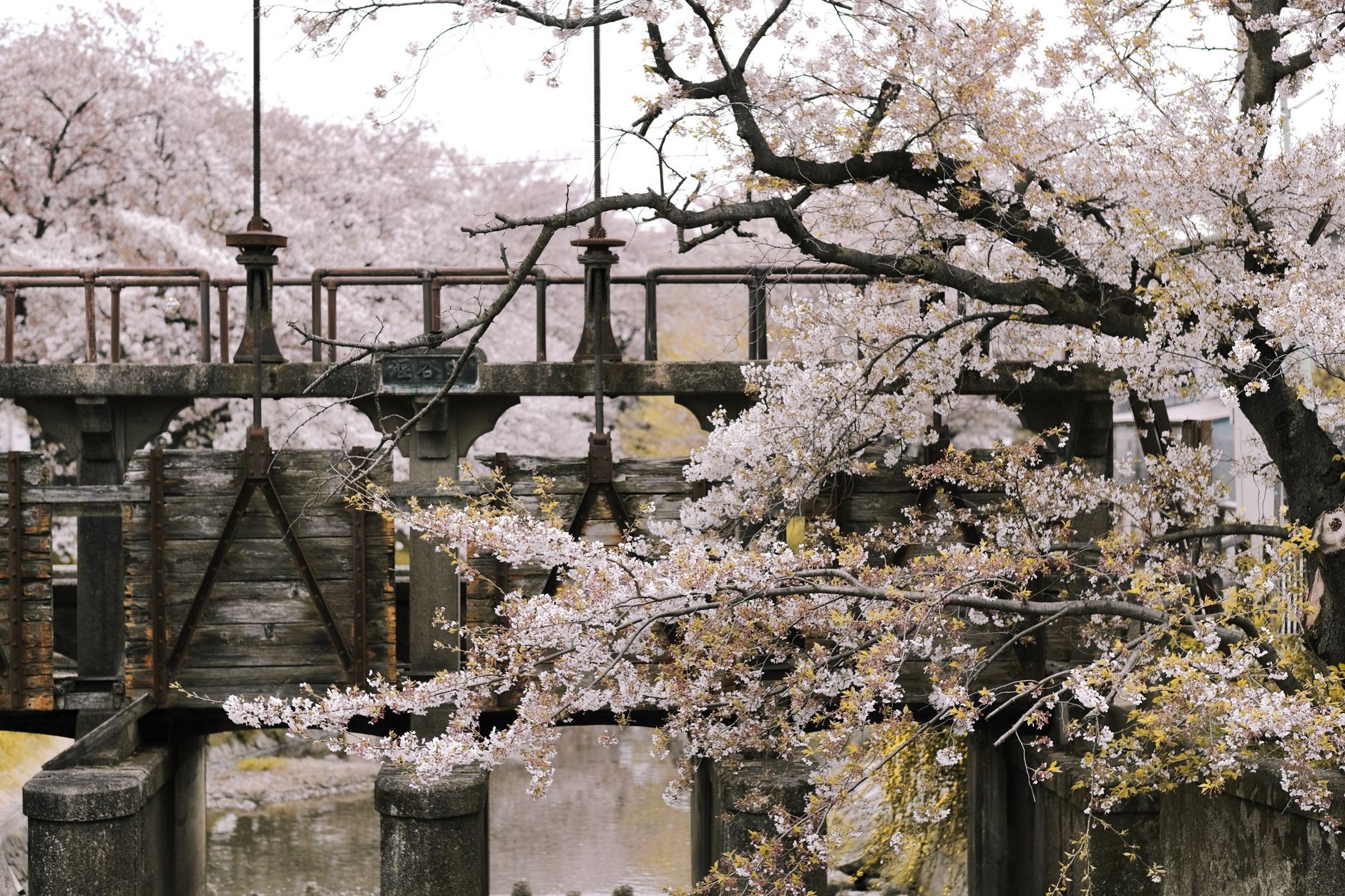
Japan's cherry blossom season in 2026 has sparked a record-breaking tourism boom, with millions flocking to iconic sites. Authorities respond with new crowd management and sustainability measures.
Japan's cherry blossom season in spring 2026 has drawn unprecedented crowds, with tourism agencies reporting record-breaking visitor numbers in Tokyo, Kyoto, and Osaka, as travelers flock to witness the iconic sakura bloom.
According to the Japan National Tourism Organization (JNTO), over 5.2 million international tourists arrived in March and April 2026, the highest figure since borders reopened post-pandemic. The surge is attributed to pent-up demand, relaxed visa regulations, and extensive social media coverage.
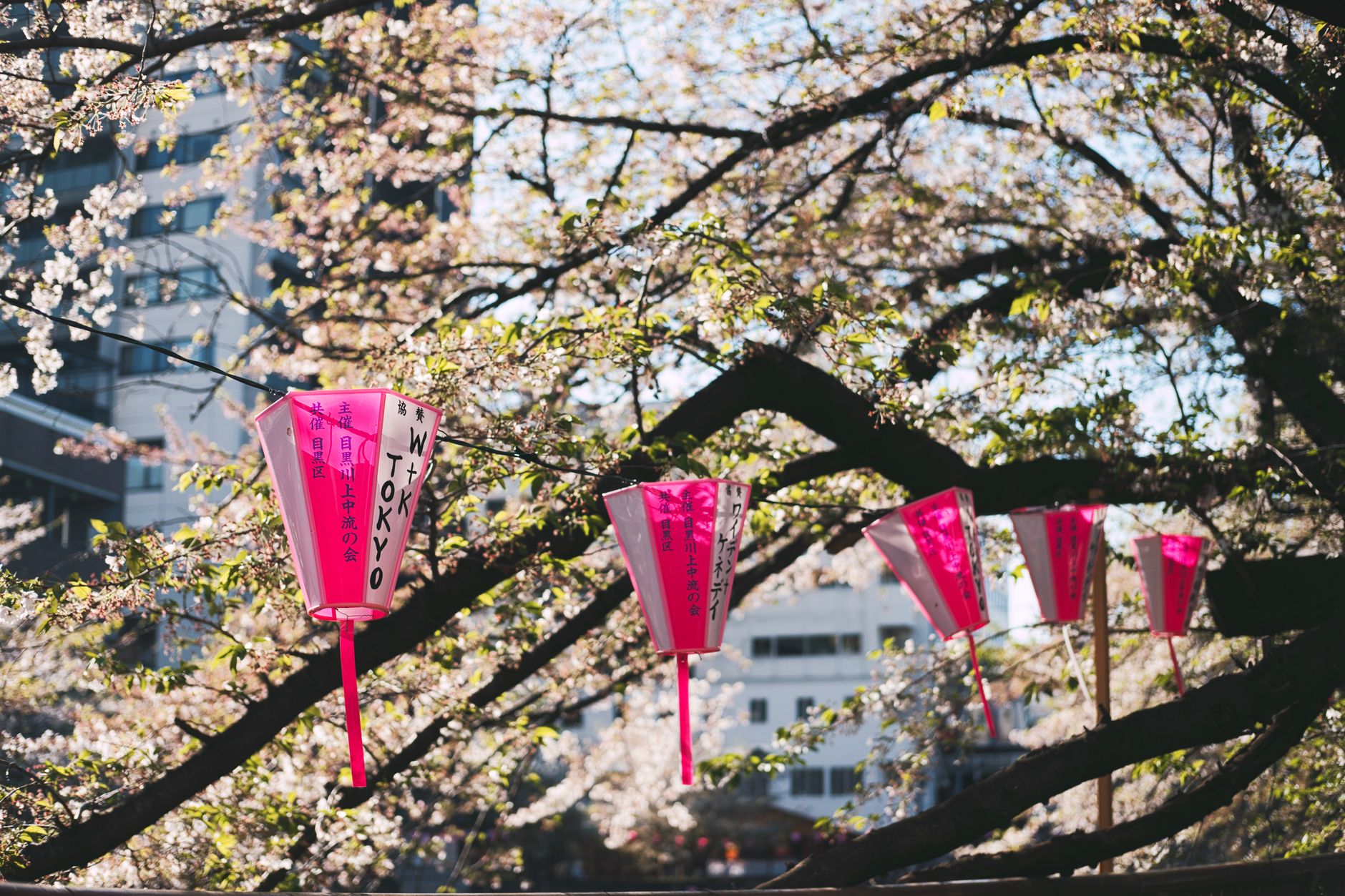
The cherry blossom, or sakura, season has long been a symbol of renewal and beauty in Japan. This year, the bloom peaked slightly earlier than average, with Kyoto’s famous Philosopher’s Path and Tokyo’s Ueno Park becoming focal points for both domestic and international visitors.
Background: Sakura's Enduring Allure
Sakura viewing, known as hanami, is a centuries-old tradition in Japan. Each spring, families, friends, and tourists gather beneath cherry trees for picnics and celebrations. The fleeting nature of the blossoms, which last only about a week, adds to their mystique and popularity.
In recent years, Japan has become a top destination for global travelers, with cherry blossom season consistently ranking among the most sought-after travel experiences. Data from Booking.com shows a 45% increase in spring bookings for Japan compared to 2025.
Key Details: Record Crowds and Economic Impact
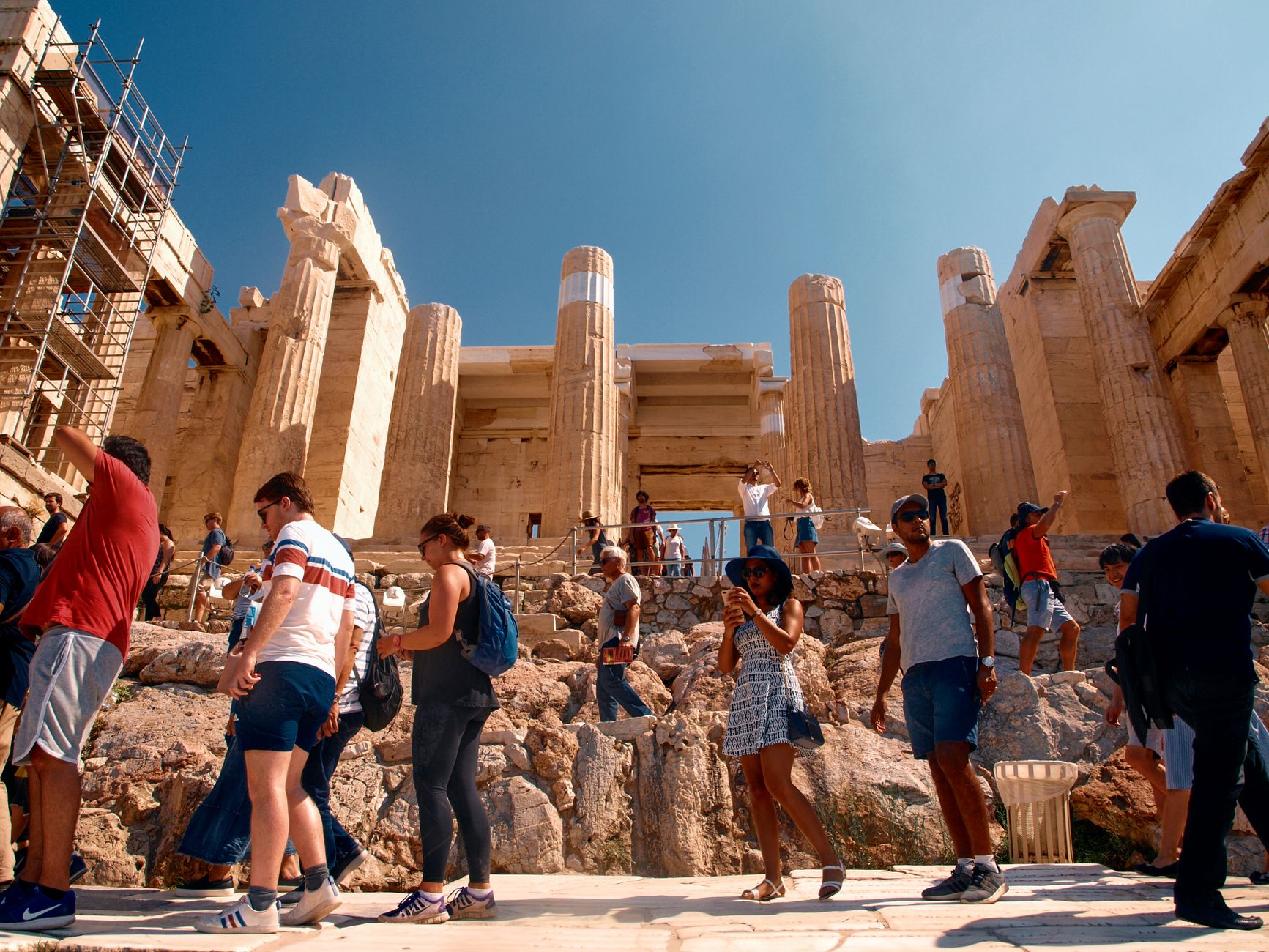
Tourism officials report that major cherry blossom hotspots, including Hirosaki Castle and Mount Yoshino, operated at maximum capacity during peak bloom. Hotels in Kyoto and Tokyo reported occupancy rates exceeding 95%, according to The Japan Times.
The influx of tourists has provided a significant economic boost. The Ministry of Land, Infrastructure, Transport and Tourism estimates that sakura season generated over ¥1.2 trillion ($8.5 billion USD) in tourism revenue this year.
Local businesses, from traditional ryokan inns to street food vendors, benefited from the surge. Many introduced special sakura-themed menus and souvenirs to cater to the influx of visitors.
Managing the Crowds: New Measures
To address overcrowding, authorities implemented timed entry tickets at popular sites, expanded public transportation schedules, and increased multilingual signage. Drone footage shared by NHK showed orderly crowds and well-managed lines at major parks.
The government also launched a 'Respect Sakura' campaign, encouraging responsible tourism and environmental protection. Volunteers distributed pamphlets on waste disposal and etiquette, while local police increased patrols to ensure public safety.
Analysis: Social Media and the Global Appeal

Social media played a pivotal role in amplifying Japan’s cherry blossom season. Instagram reported over 10 million posts tagged #Sakura2026, with influencers and celebrities sharing real-time updates from scenic locations.
Travel platforms such as TripAdvisor and Expedia highlighted Japan as the top trending spring destination, citing user reviews and photo uploads. TikTok videos featuring hanami picnics and blossom-lined rivers went viral, inspiring spontaneous travel bookings.
Environmental and Cultural Considerations

While the tourism surge has benefited the economy, it has also raised concerns about environmental impact. Local NGOs, including the Japan Environmental Council, warned of increased litter and trampling of fragile root systems in popular parks.
In response, city officials in Kyoto and Tokyo introduced temporary fencing around sensitive areas and scheduled additional clean-up crews. Educational campaigns emphasized the cultural importance of preserving sakura sites for future generations.
Impact: Local Communities and Future Trends
Residents in tourist-heavy districts expressed mixed feelings. While many welcomed the return of international visitors, some voiced concerns about noise, congestion, and rising prices. Local governments have promised to balance economic benefits with quality of life.
Looking ahead, travel analysts predict Japan’s cherry blossom season will remain a top global attraction. The Japan Tourism Agency plans to expand digital reservation systems and promote lesser-known sakura spots to distribute crowds more evenly.
What's Next: Sustainable Tourism Initiatives
Japan is investing in sustainable tourism infrastructure, including eco-friendly transport and green-certified accommodations. The government aims to make cherry blossom season both accessible and environmentally responsible for years to come.
Travelers are encouraged to plan ahead for the 2027 season, as demand is expected to remain high. Tourism officials recommend exploring off-the-beaten-path regions, such as Tohoku and Shikoku, for a more intimate hanami experience.
Sources
Information in this article was sourced from the Japan National Tourism Organization (JNTO), The Japan Times, NHK, Booking.com, TripAdvisor, and the Japan Environmental Council.
Sources: Information sourced from Japan National Tourism Organization, The Japan Times, NHK, Booking.com, TripAdvisor, and the Japan Environmental Council.