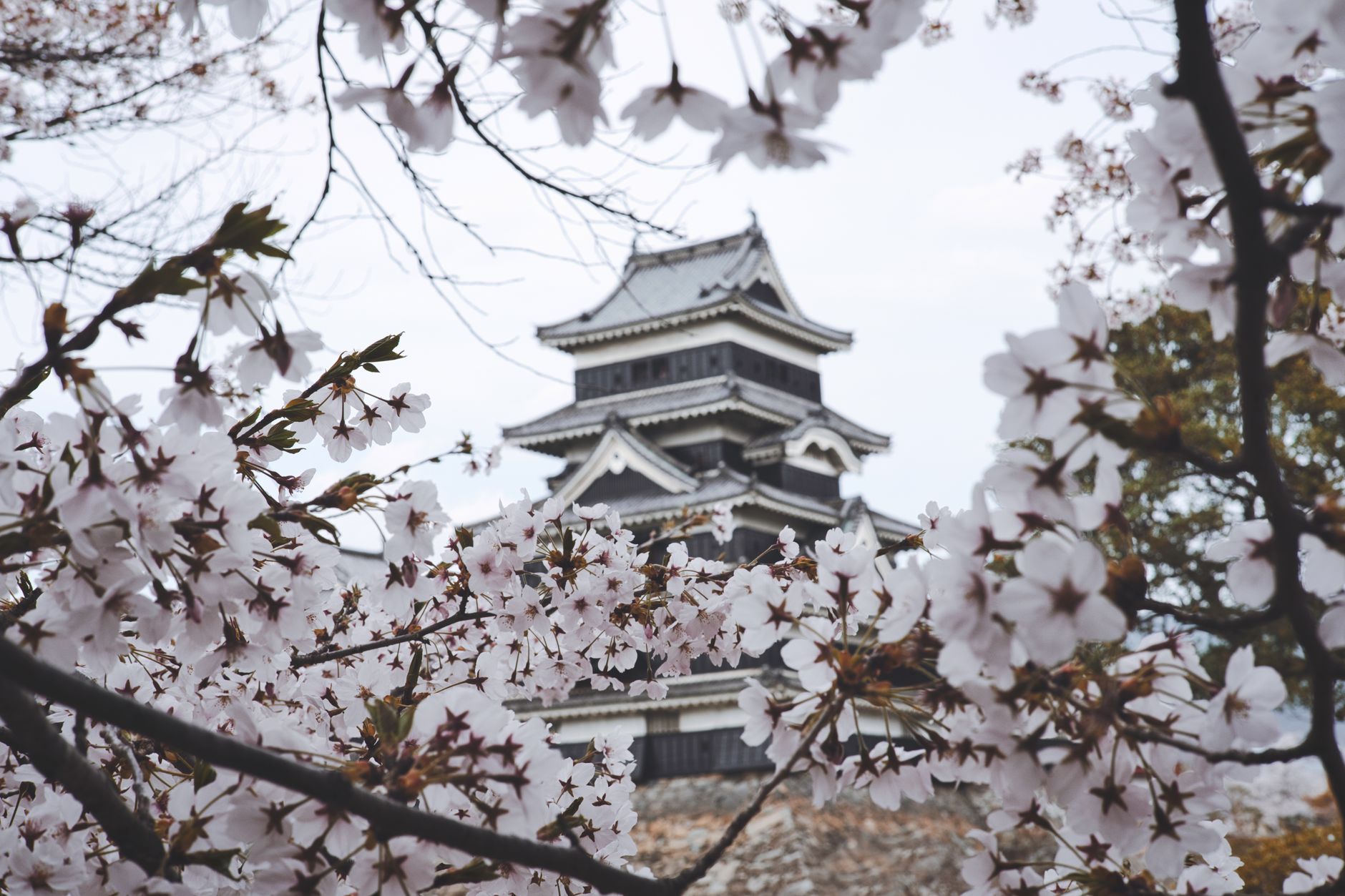
Japan is experiencing an unprecedented tourism boom this April, as cherry blossom season draws record international visitors and revitalizes the travel sector. Experts analyze the impact and future outlook.
Japan’s cherry blossom season has triggered a record influx of international tourists in April 2026, with cities like Tokyo, Kyoto, and Osaka reporting unprecedented visitor numbers, according to Japan National Tourism Organization (JNTO).
This year’s sakura, or cherry blossom, season began earlier than usual, peaking in major cities during the first two weeks of April. The early bloom, coupled with lifted travel restrictions and pent-up demand, has made Japan the world’s hottest travel destination this spring, reports The Japan Times.
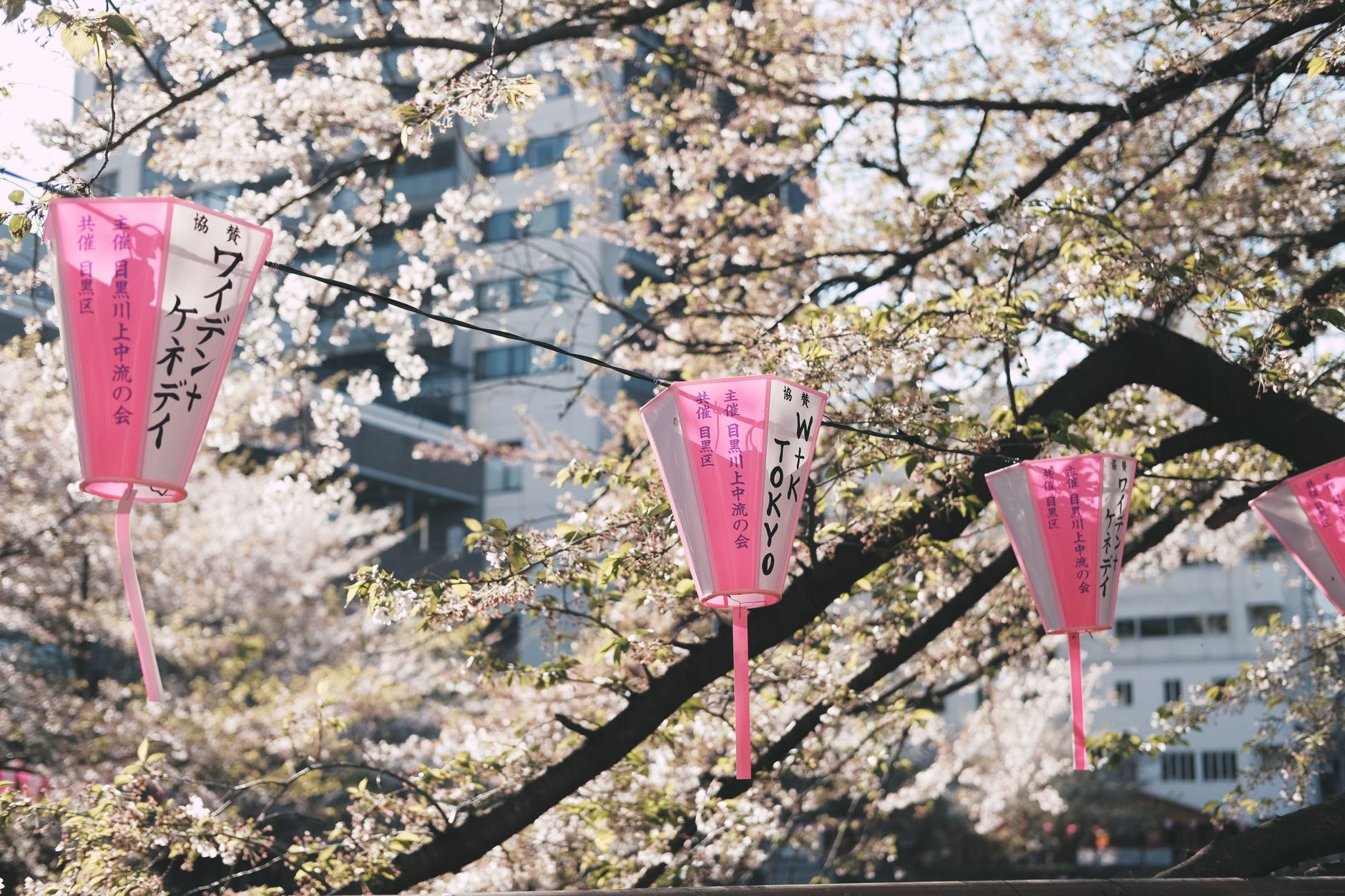
Background: Sakura Season’s Global Appeal
Japan’s cherry blossom phenomenon has long attracted visitors worldwide. The fleeting beauty of sakura, lasting only about two weeks, is celebrated with hanami (flower viewing) parties and festivals. In 2026, social media platforms like Instagram and TikTok have amplified global interest, with #Sakura2026 trending internationally.According to the JNTO, cherry blossom tourism contributes over $2 billion annually to the Japanese economy. This year, the figure is expected to surpass previous records, as international arrivals have rebounded to pre-pandemic levels for the first time since 2019.
Surge in International Arrivals
Data from Japan’s Immigration Services Agency shows that over 3.2 million foreign tourists entered the country in March alone, a 25% increase from the same period last year. The largest groups came from China, South Korea, the United States, and Australia.Travel agencies such as JTB and Expedia report that cherry blossom tour packages sold out months in advance. Airlines have increased direct flights to Tokyo, Osaka, and Sapporo to meet demand, with Japan Airlines and ANA reporting 95% seat occupancy on international routes this month.
Impact on Local Businesses and Infrastructure
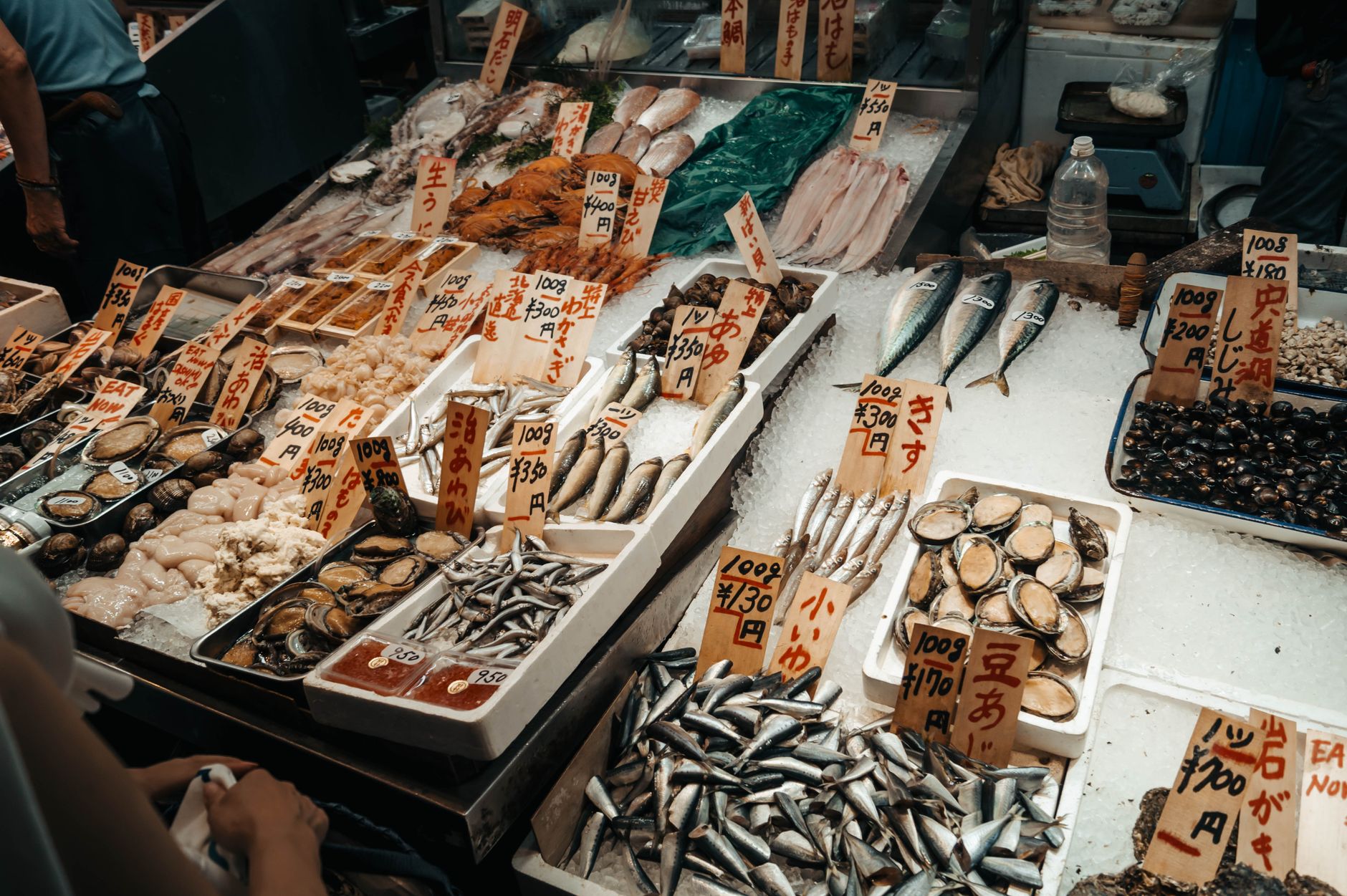
Hotels in Tokyo and Kyoto are at near full capacity, with average room rates up 30% compared to April 2025, according to STR Global. Local businesses, from street food vendors to souvenir shops, are experiencing a surge in sales.However, the influx has strained public transport and popular tourist sites. Kyoto’s city government issued crowd control advisories for hotspots like Maruyama Park and the Philosopher’s Path, encouraging visitors to explore less crowded areas.
Social Media and Technology Driving Trends
Social media influencers and travel bloggers have played a pivotal role in Japan’s tourism boom. Viral videos showcasing sakura-lined streets and traditional hanami picnics have inspired travelers worldwide.Travel apps and real-time bloom forecasts, such as Weathernews and Sakura Navi, have helped tourists plan their trips to coincide with peak blossom dates. These digital tools are credited with making the experience more accessible and personalized.
Environmental and Cultural Considerations
While the tourism surge brings economic benefits, it also raises concerns about sustainability. Local authorities are urging visitors to respect natural sites and participate in eco-friendly activities, such as guided walking tours and waste reduction initiatives.Cultural experts emphasize the importance of preserving the traditional spirit of hanami. The Japan Foundation has launched educational campaigns to inform tourists about the etiquette of cherry blossom viewing and the significance of sakura in Japanese culture.

Economic Impact and Recovery
The tourism boom is a welcome boost for Japan’s economy, which has faced challenges from global inflation and a weak yen. The Bank of Japan estimates that tourism-related spending could contribute up to 0.4% to national GDP growth in 2026.Retailers, restaurants, and transport operators are hiring temporary staff to cope with demand. The government has announced subsidies for rural regions to attract tourists beyond the major cities, aiming to spread the economic benefits more evenly.
Challenges and Management Strategies
Managing overtourism remains a challenge. The Ministry of Land, Infrastructure, Transport and Tourism is piloting a reservation system for popular parks and temples, and promoting off-peak travel to ease congestion.Local communities are also innovating, offering unique experiences such as night-time hanami and sakura-themed workshops to diversify attractions and reduce pressure on famous sites.
What’s Next for Japan’s Tourism Sector?
Experts predict that Japan’s popularity will continue beyond sakura season, with upcoming events like the 2026 World Expo in Osaka expected to sustain momentum. The government is investing in multilingual infrastructure and digital services to enhance the visitor experience.Tourism officials are optimistic but cautious, emphasizing the need for sustainable growth. The lessons learned from this year’s cherry blossom surge will inform future strategies to balance economic gains with cultural and environmental preservation.
As the petals fall and the season winds down, Japan’s record-setting cherry blossom tourism in 2026 stands as a symbol of global travel’s revival and the enduring allure of natural beauty.
Sources: Japan National Tourism Organization, The Japan Times, Reuters, STR Global, Bank of Japan, Ministry of Land, Infrastructure, Transport and Tourism, Weathernews, Sakura Navi.
Sources: Information sourced from Japan National Tourism Organization, The Japan Times, Reuters, and official government statistics.