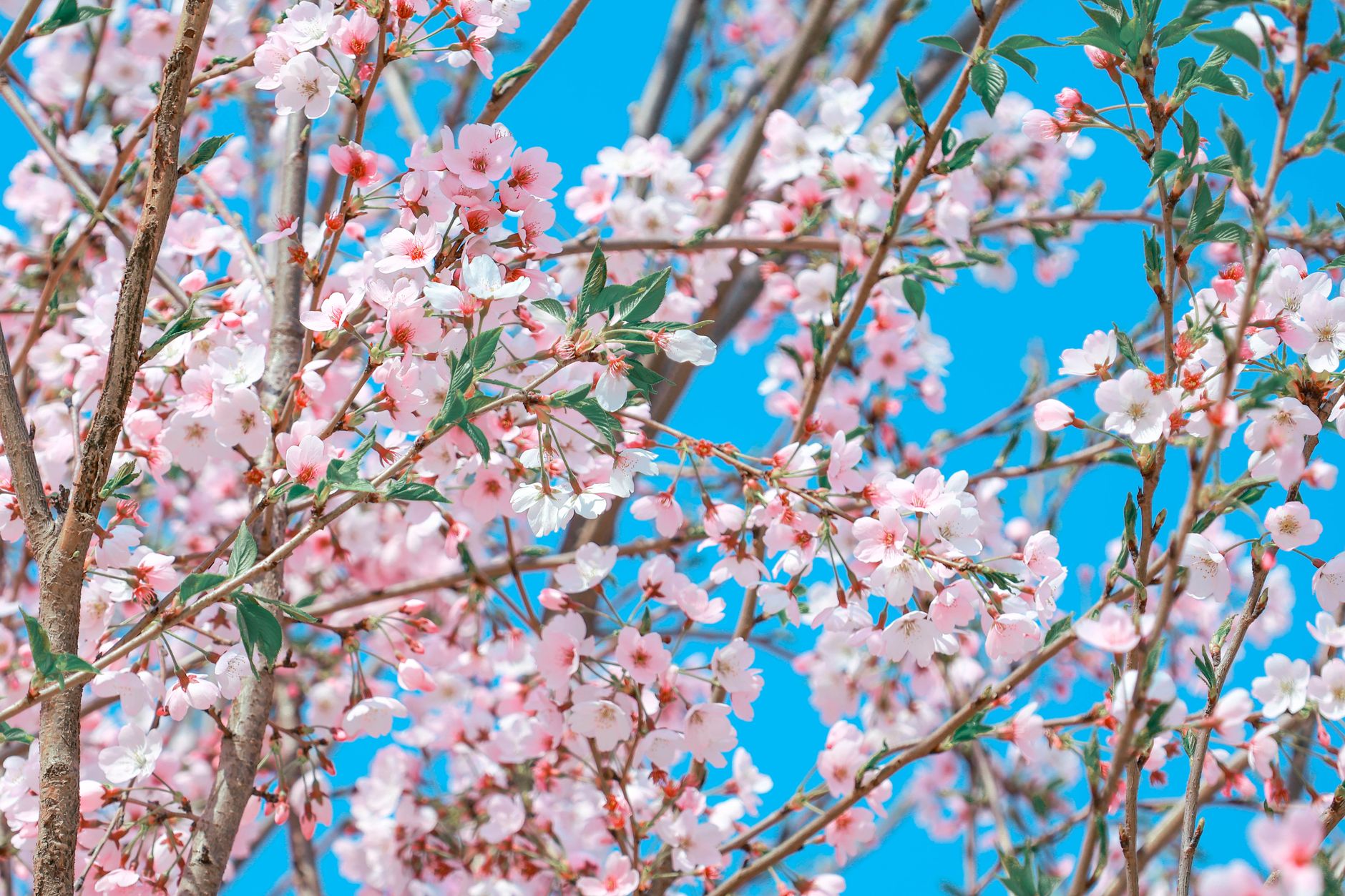
Japan’s cherry blossom season in 2026 is drawing record international tourists, reshaping travel trends with new experiences, sustainability efforts, and economic impacts across the country.
Japan’s iconic cherry blossom season is attracting record numbers of international tourists in April 2026, transforming the nation’s travel industry and reshaping global destination trends, according to data from Japan National Tourism Organization (JNTO).
Japan’s sakura, or cherry blossom, season has long been a magnet for travelers. This year, however, the surge in visitors is unprecedented, driven by pent-up demand after years of pandemic restrictions and new digital campaigns by Japanese tourism authorities.

Record-Breaking Tourist Arrivals
According to JNTO, over 4.2 million international tourists arrived in Japan in March alone, a 37% increase compared to the same period in 2025. Many are flocking to Tokyo, Kyoto, and Osaka, but lesser-known regions like Hirosaki and Fukuoka are also seeing surges.
The influx is attributed to relaxed visa policies, expanded flight routes, and a global marketing push. Airlines such as ANA and Japan Airlines have reported full bookings on major routes from the US, Europe, and Southeast Asia, as reported by The Japan Times.
Social Media Fuels Sakura Craze
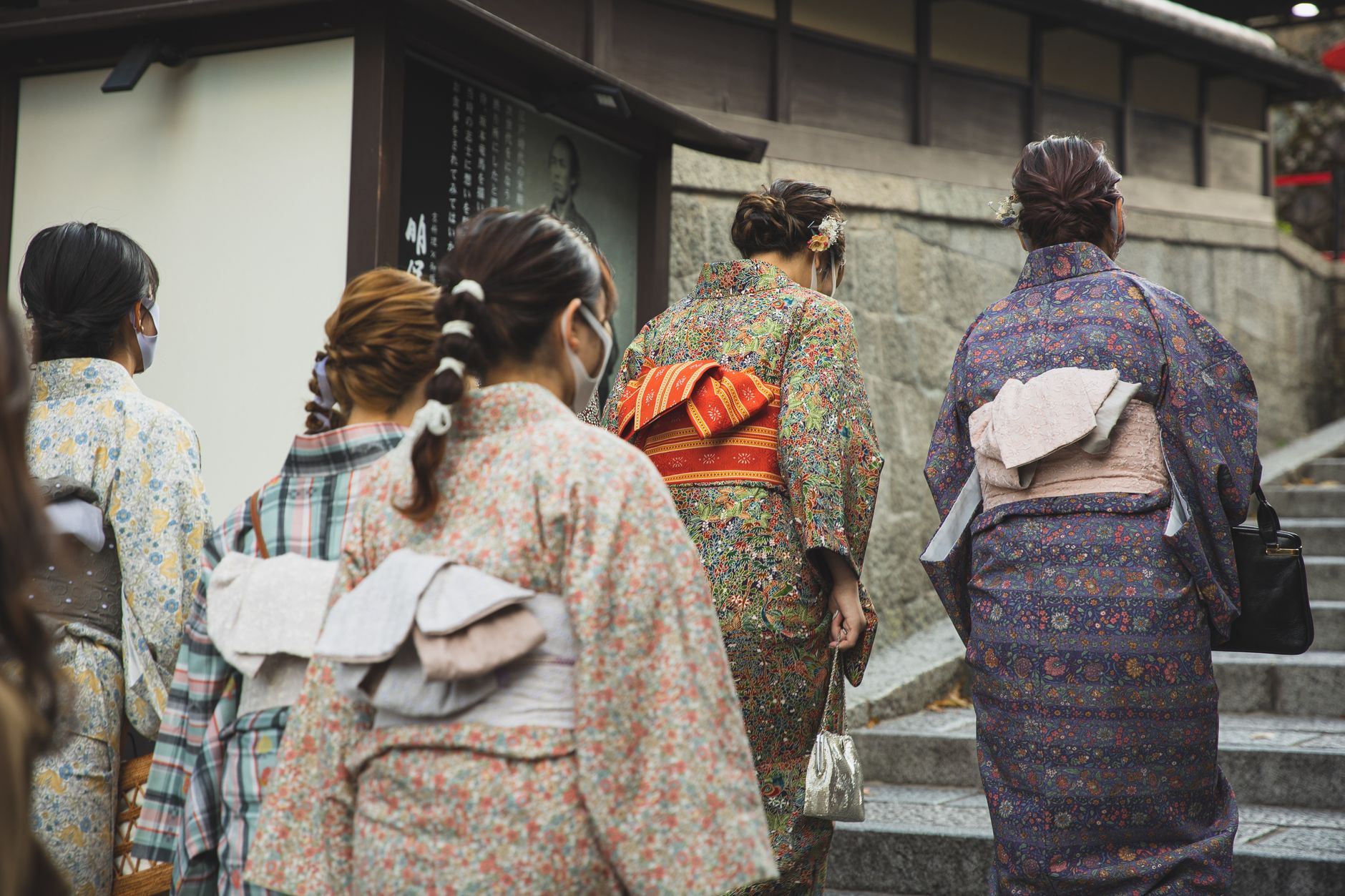
Social media platforms are amplifying the trend. TikTok and Instagram are flooded with #Sakura2026 posts, with influencers showcasing hanami (flower viewing) parties, traditional kimono rentals, and local delicacies.
Travel booking platforms like Expedia and Booking.com report that searches for 'Japan cherry blossom tours' have tripled compared to last year. According to Skyscanner, Tokyo is now the top-searched destination globally for April 2026.
Economic Impact on Local Communities
The tourism boom is revitalizing local economies. Kyoto’s hospitality sector, for example, has seen hotel occupancy rates reach 98%, the highest in over a decade, according to Nikkei Asia.
Local businesses are capitalizing on the influx. Pop-up food stalls, guided night tours, and sakura-themed merchandise are selling out in major parks. The Japan Times reports that souvenir sales in Ueno Park have doubled compared to 2025.
Sustainability and Overcrowding Concerns
The surge in visitors has raised concerns about overcrowding and environmental sustainability. City officials in Kyoto and Tokyo have introduced crowd-control measures, including timed entry tickets for popular parks and increased public transport services.
Environmental groups, such as the Japan Environmental Council, are urging tourists to follow responsible travel guidelines. New campaigns promote litter-free hanami and encourage visitors to explore off-the-beaten-path locations to ease pressure on hotspots.
Innovative Experiences and Digital Integration
To enhance the visitor experience, tourism boards have launched augmented reality (AR) apps that offer virtual cherry blossom tours and historical insights. JR East has introduced a digital pass for seamless travel between sakura sites.
Cultural workshops—such as tea ceremonies, calligraphy, and ikebana (flower arranging)—are in high demand. Local governments are partnering with tech startups to offer multilingual guides and real-time crowd updates via mobile apps.
Regional Destinations Gain Spotlight
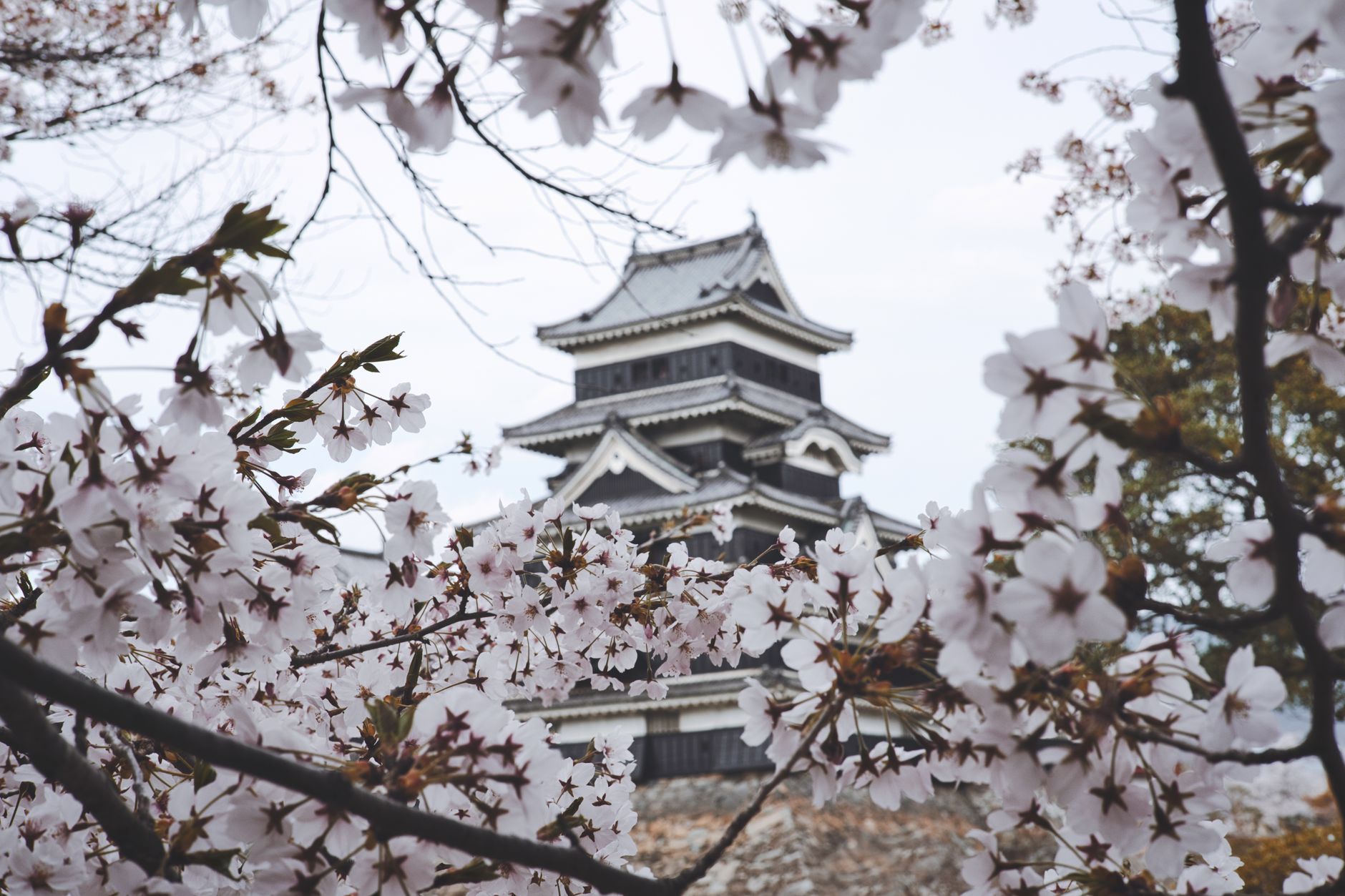
While Tokyo and Kyoto remain popular, regions like Tohoku and Kyushu are trending. Hirosaki Castle’s cherry blossom festival, for instance, is drawing international media coverage and visitor numbers not seen since 2019.
Fukuoka’s riverside hanami spots and Nagano’s mountain blossoms are featured in travel publications such as Lonely Planet, encouraging travelers to venture beyond the Golden Route. Local tourism boards are offering incentives, including discounted rail passes and guided rural tours.
Travel Industry Response and Adaptation
Hotels and tour operators are adapting to the surge. Many have hired multilingual staff and expanded online booking options. According to Reuters, the hospitality industry is investing in staff training and digital infrastructure to meet international expectations.
Japan’s government has allocated additional funding for tourism infrastructure, including expanded Wi-Fi coverage and improved signage in multiple languages. The Ministry of Land, Infrastructure, Transport and Tourism reports that these upgrades are part of a long-term strategy to sustain growth.
Challenges and Opportunities Ahead
Despite the boom, challenges remain. Overcrowding in major parks has led to complaints from locals, and some historic sites are limiting visitor numbers to protect fragile ecosystems. Experts suggest that balancing economic benefits with cultural preservation will be key.
Tourism analysts predict that the cherry blossom trend will continue to influence global travel patterns, with other countries like South Korea and Taiwan also promoting their own sakura seasons. Japan’s model of blending tradition with innovation is being closely watched.
What’s Next for Japan’s Tourism Industry?
Looking ahead, Japanese officials plan to expand digital tourism services and promote year-round attractions beyond cherry blossom season. The goal is to distribute visitor flows and sustain economic gains throughout the year.
Sources: Data and information sourced from Japan National Tourism Organization, The Japan Times, Nikkei Asia, Reuters, Lonely Planet, Skyscanner, and the Japan Environmental Council.
Sources: Information sourced from Japan National Tourism Organization, The Japan Times, Nikkei Asia, Reuters, Lonely Planet, Skyscanner, and Japan Environmental Council reports.