Japan’s Cherry Blossom Tourism Surges in 2026 Amid Record Early Bloom
N
NewsPews AI
1 min read
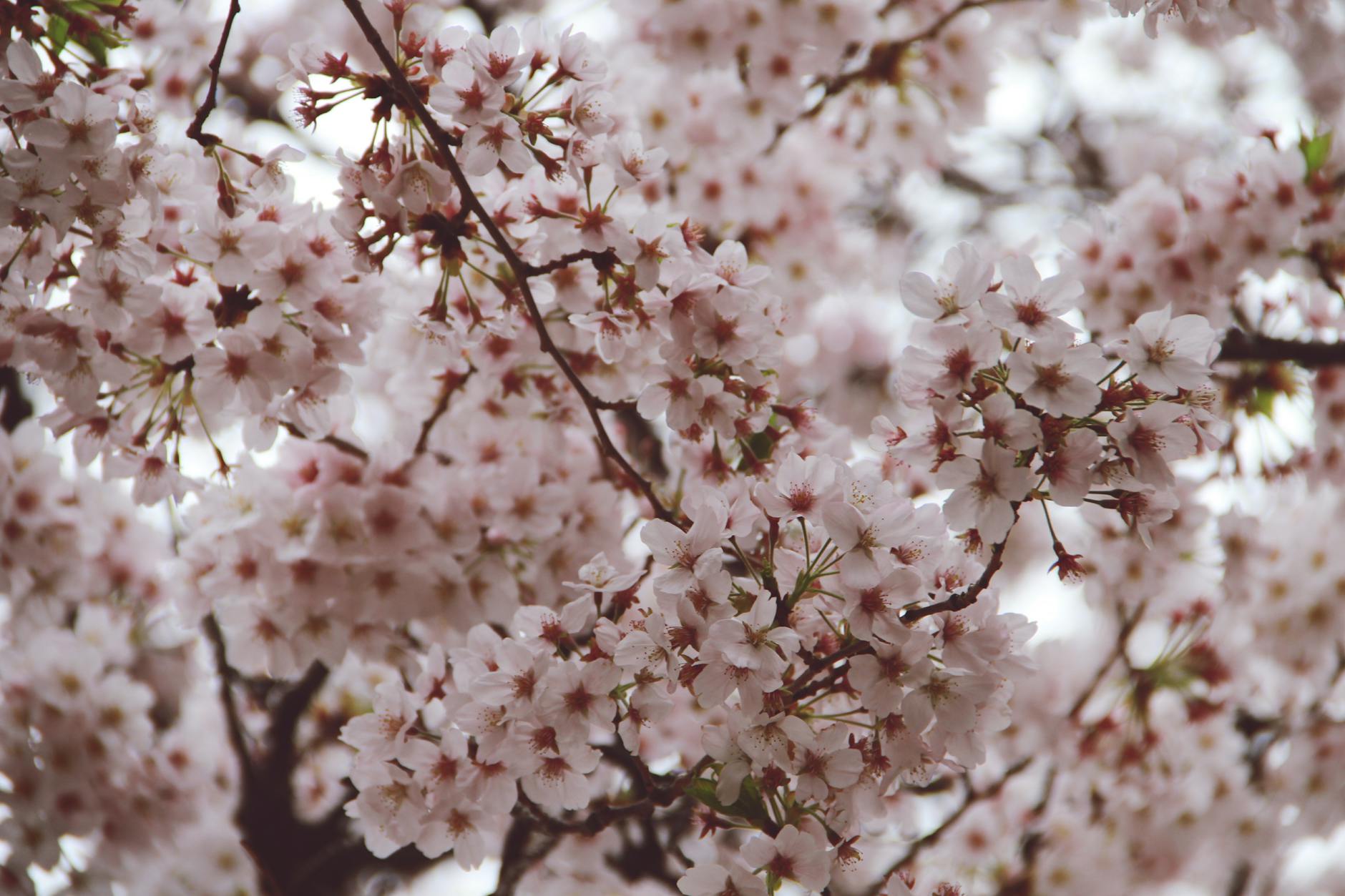
Source: Photo by CECILE HOURNAU on Pexels
Key Takeaway
Japan’s cherry blossom season is trending globally in 2026, with record early blooms drawing unprecedented tourist numbers and sparking new travel trends and economic opportunities.
Japan’s cherry blossom season is trending globally in 2026, with record early blooms drawing unprecedented tourist numbers and sparking new travel trends and economic opportunities.
Japan’s cherry blossom season is making global headlines in 2026 as an unusually early bloom, reported in late February, drives a surge in international tourism and reshapes travel patterns across the country, according to The Japan Times.
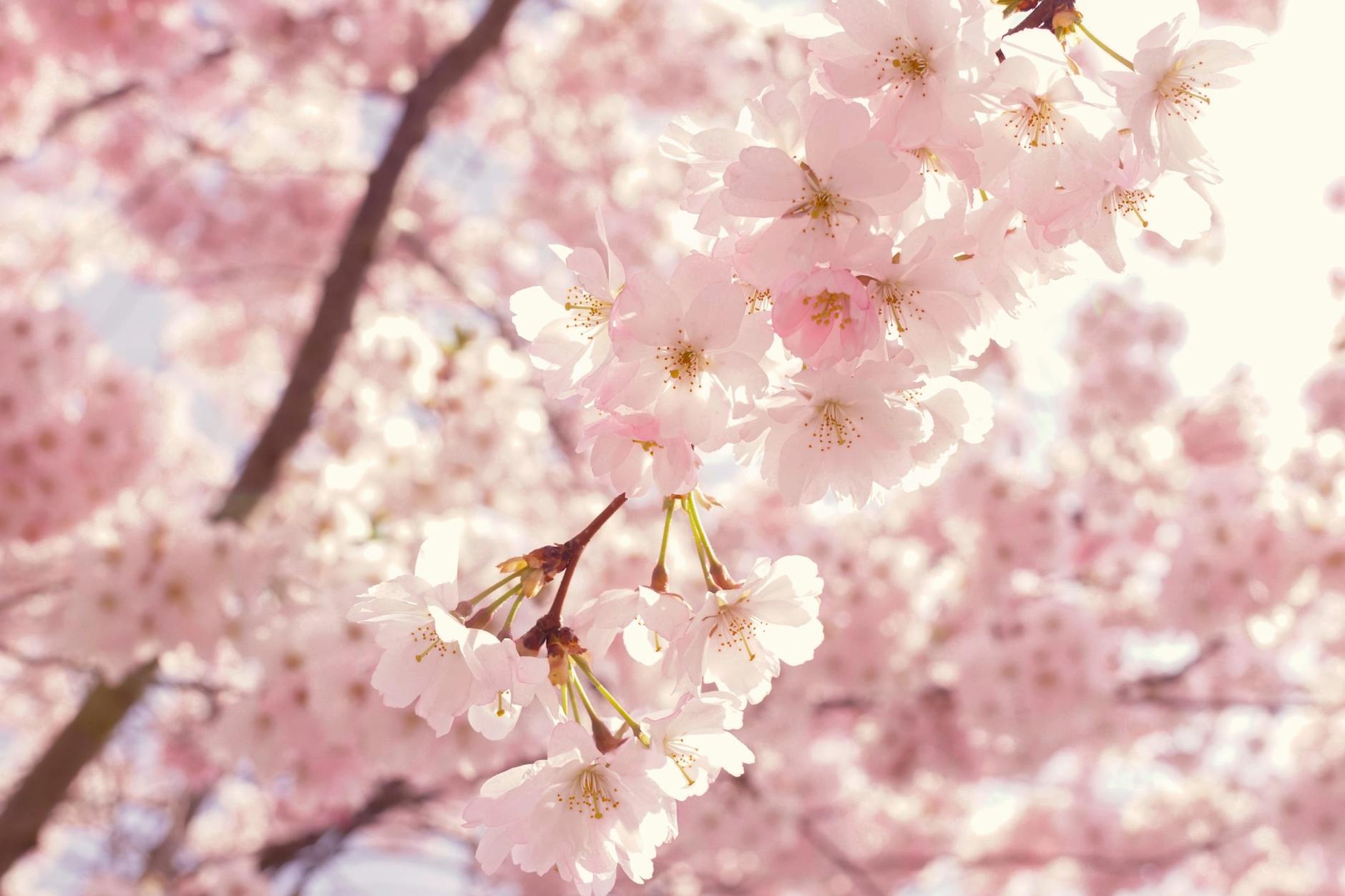
The iconic sakura, or cherry blossoms, are a cornerstone of Japanese culture and a major draw for visitors worldwide. This year, the blossoms have arrived two weeks ahead of the historical average, prompting travelers to adjust plans and local businesses to adapt quickly.
Source: Photo by Susanne Jutzeler, suju-foto on Pexels
Record Early Bloom Stuns Locals and Tourists
According to the Japan Meteorological Agency, cherry trees in Tokyo and Kyoto began blooming on February 21, the earliest on record. Experts attribute the shift to a warmer winter and climate change, a trend observed over the past decade but never to this extent, as reported by NHK World-Japan.
Tour operators and hotels across major cities have seen a 40% increase in bookings compared to February 2025, data from the Japan National Tourism Organization (JNTO) shows. Many travelers, especially from the United States, South Korea, and Southeast Asia, have flocked to Japan to catch the fleeting spectacle.
Social Media Fuels Global Interest
Social media platforms like Instagram and TikTok have been flooded with images and videos of early blooms, amplifying interest and encouraging spontaneous travel. Hashtags such as #Sakura2026 and #JapanInBloom have trended globally, with over 12 million posts in the past week alone, according to analytics from SocialBlade.
Travel influencers and content creators are playing a significant role in shaping itineraries. Many have shifted their schedules to cover the phenomenon, resulting in a cascade of viral content and real-time travel updates.
Source: Photo by Guilherme Xac on Pexels
Economic Impact: Boon for Hospitality and Local Businesses
The early and intense tourist influx has provided a much-needed boost to Japan’s hospitality sector. According to The Nikkei, hotel occupancy rates in Kyoto and Osaka have reached 95%, with some ryokans (traditional inns) fully booked through March.
Local businesses, from street food vendors to souvenir shops, report sales increases of 30-50% compared to the previous year. The Japan Tourism Agency estimates that cherry blossom tourism could generate over $2.5 billion in direct revenue this season.
Challenges: Overcrowding and Environmental Concerns
The surge in visitors has also led to overcrowding at popular viewing spots such as Ueno Park in Tokyo and Maruyama Park in Kyoto. Authorities have implemented crowd control measures and encouraged visitors to explore lesser-known locations, as reported by The Asahi Shimbun.
Environmental groups are raising concerns about the impact of mass tourism on fragile cherry blossom trees and surrounding ecosystems. The Ministry of the Environment has urged tourists to follow guidelines, including not picking blossoms and minimizing litter.
Source: Photo by MITSUKI SAWA on Pexels
Travel Trends: Rise of Off-the-Beaten-Path Destinations
With traditional hotspots overwhelmed, travelers are seeking alternative locations. Regions like Tohoku and Kyushu have reported a 60% increase in tourism, according to local government statistics. These areas offer unique cultural experiences and less crowded sakura viewing.
Tour companies are promoting eco-friendly tours and rural homestays, highlighting the importance of sustainable tourism. Community-led initiatives are gaining traction, providing authentic experiences while supporting local economies.
Technology Enhances the Sakura Experience
Mobile apps and real-time bloom trackers are helping tourists navigate the rapidly changing landscape. The Japan Weather Association’s Sakura Navi app, which provides live bloom updates, has seen downloads triple compared to last year.
Augmented reality (AR) experiences and virtual tours are also trending, allowing remote travelers to participate in hanami (flower viewing) celebrations. These digital tools are expanding access and reducing pressure on physical sites.
Source: Photo by Kenneth Surillo on Pexels
International Travel Patterns Shift
Airlines have responded to the demand with increased flights to Tokyo, Osaka, and Fukuoka. According to ANA Holdings, international passenger numbers in February 2026 are up 35% year-on-year, with flights from Seoul, Taipei, and Los Angeles nearing capacity.
Travel agencies in Australia, Europe, and North America are offering last-minute sakura packages, with some reporting sold-out tours within hours of announcement. The trend is expected to continue into March as late-blooming regions come into season.
Government Response and Future Outlook
The Japanese government is balancing tourism promotion with sustainability. New guidelines for crowd management, environmental protection, and digital ticketing at popular parks have been introduced, according to the Ministry of Land, Infrastructure, Transport and Tourism.
Experts predict that early blooms may become the new normal if climate trends persist. The tourism sector is preparing for more flexible, tech-driven approaches to accommodate shifting patterns and maintain Japan’s appeal as a top travel destination.
What’s Next for Japan’s Cherry Blossom Tourism?
As the 2026 sakura season unfolds, Japan is at the forefront of global travel trends. The country’s response to record early blooms is shaping the future of tourism, blending tradition with innovation and sustainability.
Sources: The Japan Times, NHK World-Japan, The Nikkei, The Asahi Shimbun, Japan National Tourism Organization, SocialBlade, Japan Tourism Agency, Ministry of the Environment, Ministry of Land, Infrastructure, Transport and Tourism.
Sources: Information sourced from The Japan Times, NHK World-Japan, The Nikkei, and official Japanese government agencies.