
Hokkaido, Japan is experiencing a tourism boom in summer 2026, attracting global travelers with its cool climate, vibrant festivals, and sustainable tourism initiatives, according to industry reports.
Hokkaido, Japan, has become the world's most sought-after summer travel destination in 2026, drawing record numbers of international tourists with its cool climate, cultural festivals, and eco-friendly tourism, according to the Japan National Tourism Organization (JNTO).
The surge in visitors comes as travelers seek alternatives to traditional European hotspots, many of which are experiencing heatwaves and overcrowding. Hokkaido offers a refreshing contrast with its mild temperatures, lush landscapes, and vibrant cultural events.
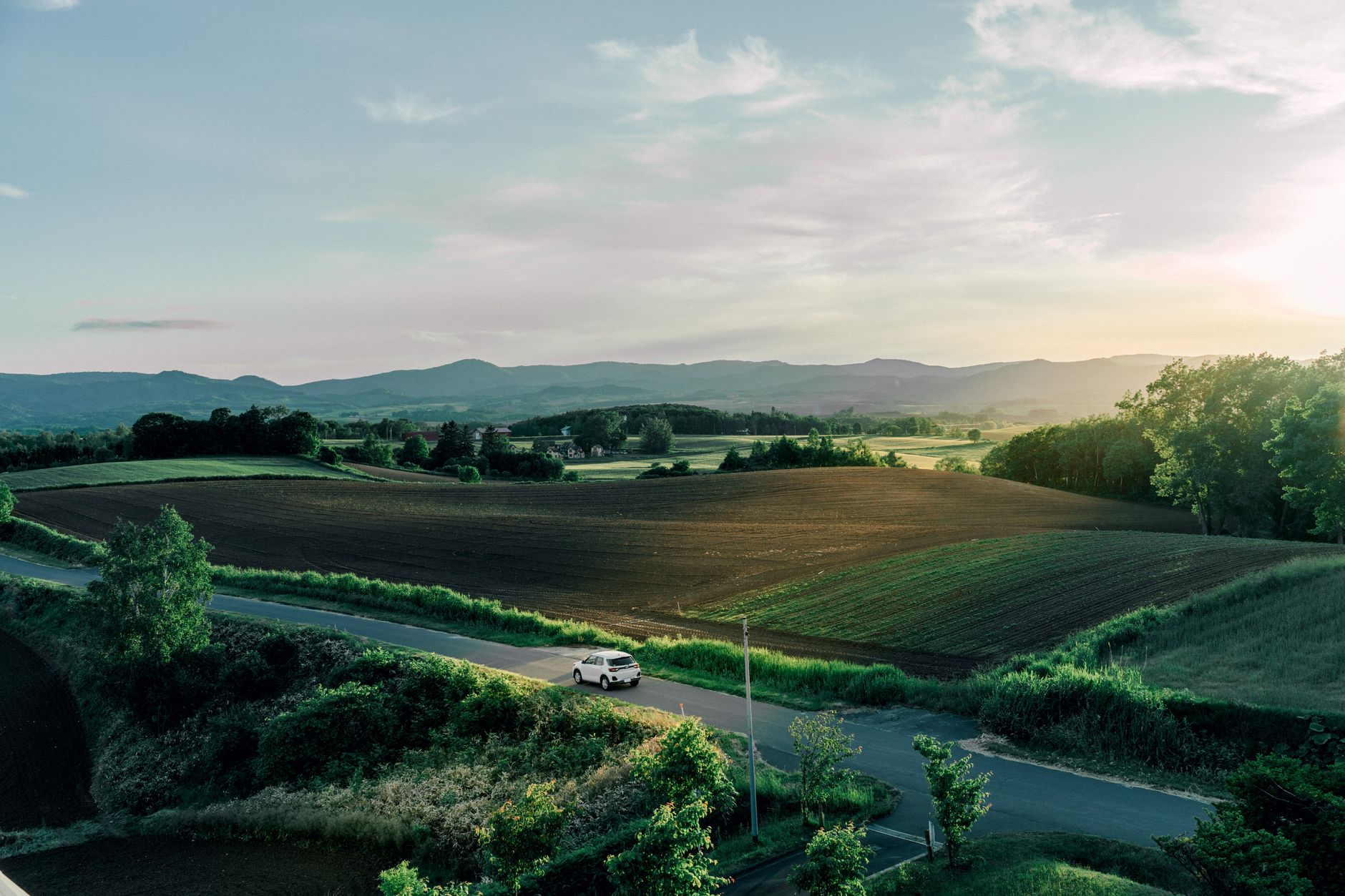
Background: Hokkaido's Rise on the Global Stage
Hokkaido, Japan's northernmost island, has long been celebrated for its winter sports and powder snow. However, in recent years, the region has invested heavily in promoting its summer attractions, including flower festivals, outdoor adventures, and culinary experiences.According to the Hokkaido Government Tourism Bureau, international arrivals to the island increased by 37% in the first half of 2026 compared to the same period in 2025. This growth is attributed to targeted marketing campaigns and improved direct flight connections from Europe and North America.
Cooler Climates Drive Tourism Shift
As global temperatures rise, travelers are seeking destinations with more temperate climates. Data from the World Meteorological Organization (WMO) shows that Hokkaido's average summer temperature in July is 22°C (71°F), significantly cooler than Tokyo or Seoul.The relative coolness has become a major draw, especially for tourists from regions experiencing record-breaking heatwaves. Travel booking platform Expedia reports a 54% year-on-year increase in Hokkaido summer bookings by European travelers.

Signature Events: Lavender Fields and Summer Festivals
One of Hokkaido's main summer attractions is the Furano Lavender Festival, which runs throughout July. The fields of purple blooms attract thousands of visitors daily, as reported by The Japan Times.Other popular events include the Sapporo Summer Festival, featuring outdoor beer gardens and traditional performances, and the Otaru Ushio Festival, known for its lantern-lit processions along historic canals.
Adventure and Ecotourism on the Rise
Hokkaido's natural beauty is a magnet for adventure seekers. Hiking in Daisetsuzan National Park, cycling the Shiretoko Peninsula, and wildlife watching in Kushiro Wetlands are among the top activities, according to Lonely Planet.The region is also pioneering sustainable tourism. The Hokkaido Tourism Organization has introduced eco-certification for hotels and tour operators, encouraging low-impact travel and conservation efforts.

Gastronomy: A Culinary Hotspot
Hokkaido is renowned for its fresh seafood, dairy products, and farm-to-table cuisine. Local specialties such as uni (sea urchin), ramen, and Yubari melons are featured in summer food festivals, drawing foodies from across Asia and beyond.Michelin Guide Japan 2026 lists 12 new Hokkaido restaurants, highlighting the region's growing reputation as a culinary destination. Food tours and cooking classes have become popular activities for international visitors.
Infrastructure Upgrades and Accessibility
Recent investments in transportation have made Hokkaido more accessible. New direct flights from Paris, London, and Los Angeles to New Chitose Airport have reduced travel times and increased convenience, according to ANA Airlines.The Hokkaido Shinkansen high-speed rail extension, completed in March 2026, now connects Sapporo to Hakodate in under two hours, facilitating regional travel for both domestic and international tourists.

Economic Impact and Local Response
The tourism boom has generated significant economic benefits for Hokkaido. The Hokkaido Chamber of Commerce reports a 28% increase in hospitality sector revenues in the first half of 2026.Local businesses have responded by expanding multilingual services, launching new tour packages, and investing in infrastructure upgrades. However, officials are monitoring visitor numbers to prevent overtourism and preserve the region's natural beauty.
Challenges: Balancing Growth and Sustainability
While the influx of visitors brings prosperity, it also presents challenges. Conservation groups have raised concerns about environmental degradation in popular hiking areas and increased waste at festivals, as reported by NHK News.In response, the Hokkaido government has implemented stricter environmental regulations and launched public awareness campaigns promoting responsible tourism practices.
What's Next: The Future of Hokkaido Tourism
Tourism officials anticipate continued growth through the rest of 2026, with new initiatives planned for autumn foliage tours and winter sports events. The region aims to become a year-round destination, leveraging its unique climate and cultural offerings.Sources: Information for this article was sourced from the Japan National Tourism Organization, Hokkaido Government Tourism Bureau, The Japan Times, World Meteorological Organization, Expedia, Lonely Planet, Michelin Guide Japan, ANA Airlines, and NHK News.
Sources: Information sourced from Japan National Tourism Organization, The Japan Times, and World Meteorological Organization reports.