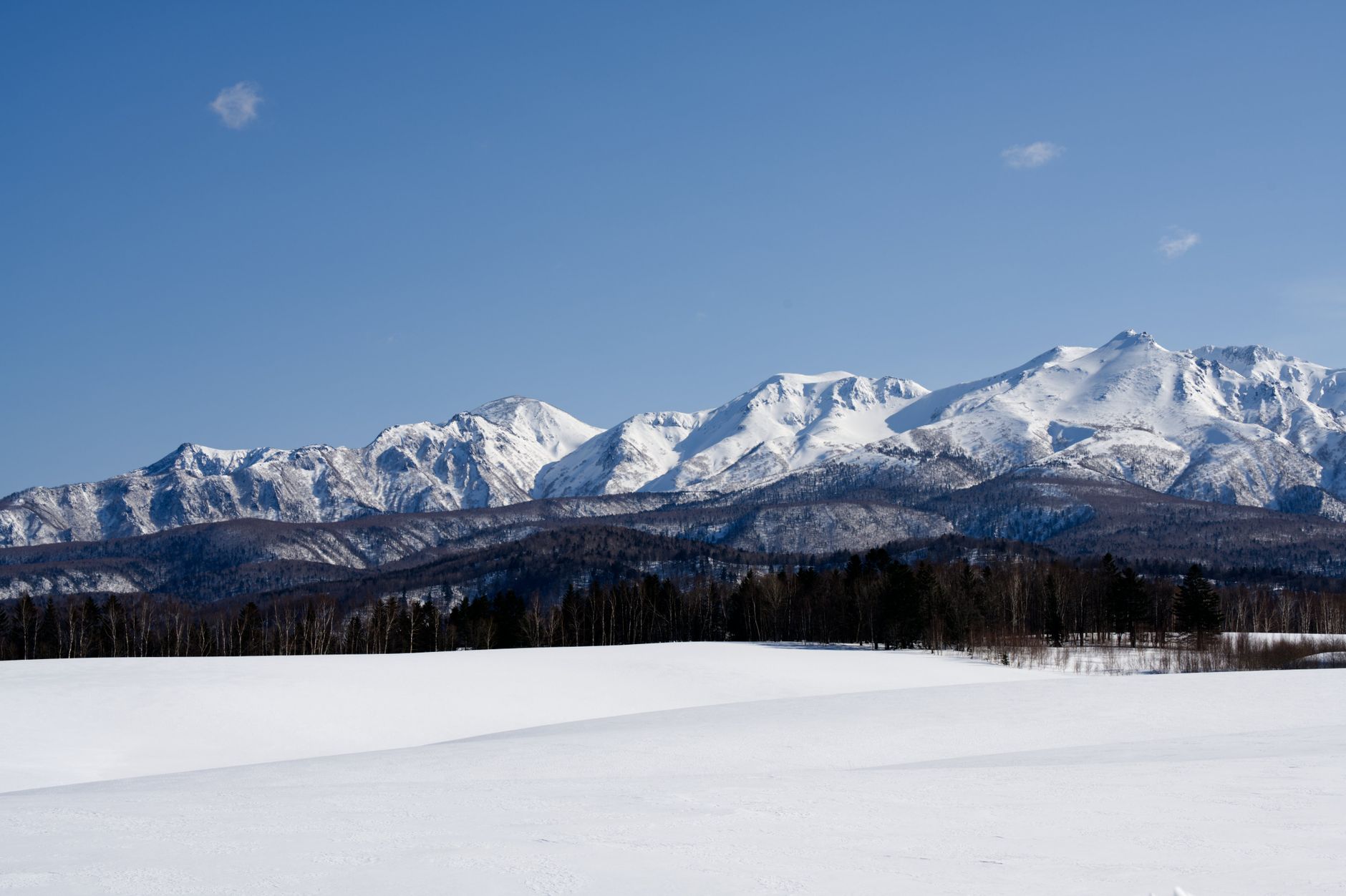
Hokkaido, Japan, is experiencing a tourism boom in 2026, driven by its cool summers, new luxury resorts, and viral social media trends. Travelers are flocking for unique experiences.
Hokkaido, Japan’s northernmost island, has become the world’s most sought-after travel destination in summer 2026, drawing record numbers of international tourists seeking cool weather, natural beauty, and new luxury experiences, according to Japan National Tourism Organization (JNTO).
The surge in visitors comes as global travelers look for alternatives to Europe’s heatwaves and crowded hotspots. Hokkaido’s mild climate, pristine landscapes, and recent hospitality investments have made it a top pick, especially among North American and Southeast Asian tourists, as reported by The Japan Times.
Background: Hokkaido’s Rise to Fame
Hokkaido has long been famous domestically for its winter sports and snow festivals, but summer tourism remained relatively modest until recent years. In 2024 and 2025, social media influencers began showcasing the island’s flower fields, seafood markets, and onsen resorts, sparking international curiosity.According to data from JNTO, Hokkaido saw a 38% increase in foreign visitors in the first half of 2026 compared to the same period in 2025. The region’s rebranding as a year-round destination has been key to this growth.
Key Attractions Fueling the Trend
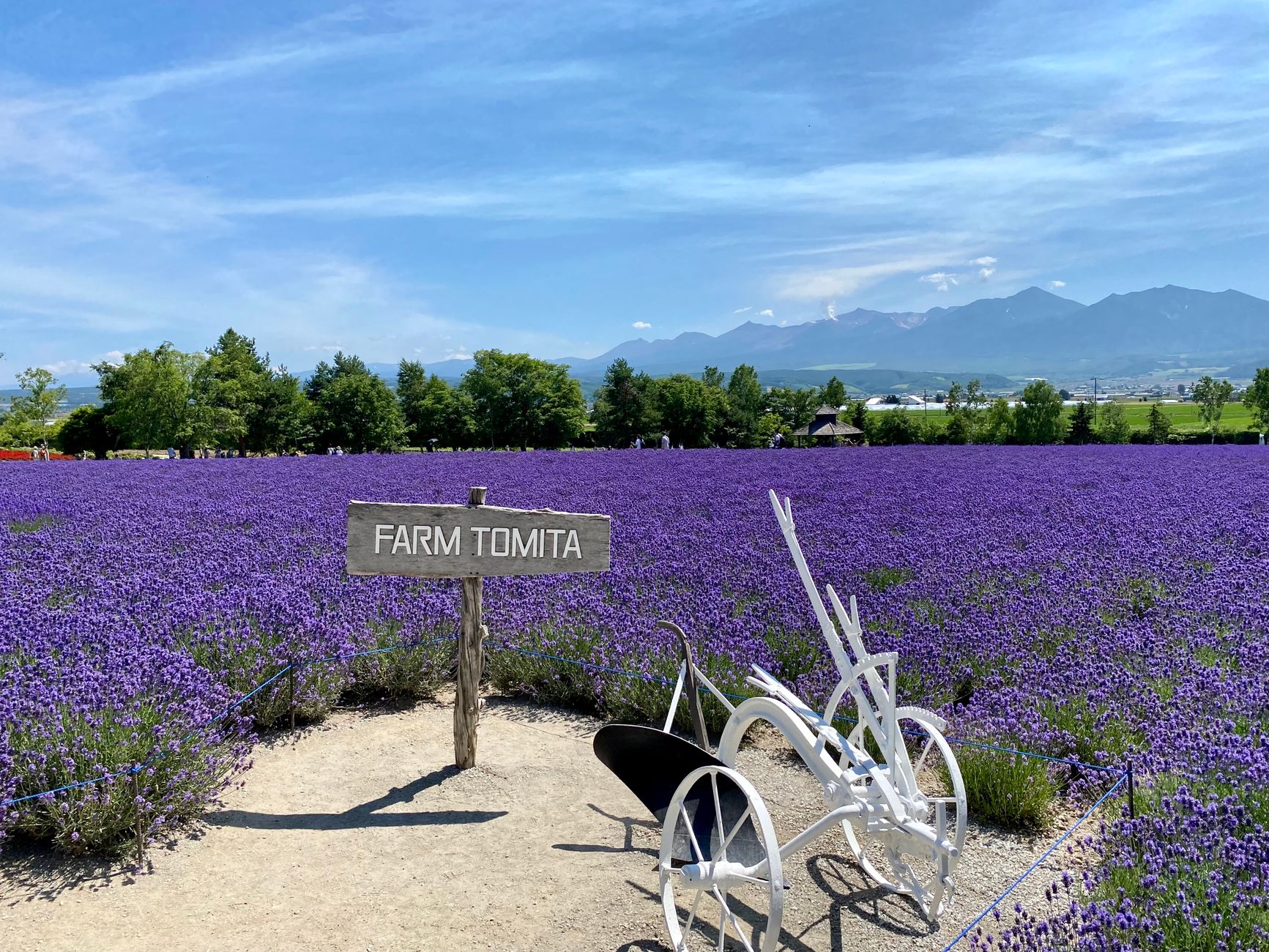
Travelers are drawn to Hokkaido’s unique offerings. The lavender fields of Furano, the volcanic hot springs of Noboribetsu, and the seafood markets of Hakodate have all gone viral on platforms like TikTok and Instagram, according to travel analytics firm ForwardKeys.
Luxury travel has also played a role. Several new five-star resorts opened in Niseko and Lake Toya in early 2026, offering exclusive experiences such as private onsen baths, guided wildlife tours, and farm-to-table dining. Bookings at these properties have doubled since last year, according to Nikkei Asia.
Climate and Comfort
With much of Asia and Europe experiencing record-breaking heatwaves this summer, Hokkaido’s average July temperature of 22°C (72°F) has been a major draw. The Japan Meteorological Agency reports that the island’s cool, dry air has led to a surge in last-minute bookings.Local officials have responded by increasing public transport options and launching multilingual tourism campaigns. Sapporo’s new airport shuttle service, introduced in May 2026, has helped ease congestion and improve visitor experience.

Social Media and Viral Trends
Hashtags like #HokkaidoSummer and #LavenderDream have trended globally on Instagram and TikTok since late June. Influencers have highlighted lesser-known spots such as the Blue Pond in Biei and the Shiretoko Peninsula, boosting their popularity among young travelers.Travel booking platforms such as Expedia and Booking.com report that searches for Hokkaido have increased by 62% year-on-year. Many travelers cite social media inspiration as their primary reason for choosing the destination, according to a recent Skyscanner survey.
Economic and Local Impact
The tourism boom has brought economic benefits to Hokkaido’s rural communities. Local businesses report record sales, and the regional government has announced plans to invest ¥10 billion ($70 million USD) in infrastructure upgrades, as detailed by NHK World Japan.
However, there are concerns about sustainability. Environmental groups have urged authorities to balance growth with conservation, particularly in fragile ecosystems like Shiretoko, a UNESCO World Heritage Site.
Challenges and Solutions
The influx of tourists has strained some local resources. Sapporo’s city council reported a 25% increase in waste management costs and occasional shortages in hotel availability during festival periods.In response, the Hokkaido Tourism Organization has launched a ‘Travel Smart’ campaign, encouraging visitors to explore lesser-known areas and travel during off-peak times. New eco-friendly initiatives, such as electric shuttle buses and plastic-free events, have also been introduced.

International Connections
Airlines have added new direct flights from Singapore, Los Angeles, and Sydney to Sapporo’s New Chitose Airport. According to ANA, international arrivals at the airport are up 45% compared to 2025.Travel agencies in China, South Korea, and the United States have reported sold-out package tours for August and September, with many extending their travel seasons into autumn to catch Hokkaido’s famous fall foliage.
What’s Next for Hokkaido?
Experts predict continued growth for Hokkaido’s tourism sector. The regional government has announced plans for new cultural festivals and expanded hiking trails to disperse visitor traffic more evenly.Tourism officials are also working with local communities to develop sustainable tourism models, aiming to preserve Hokkaido’s natural beauty for future generations. The World Tourism Organization has praised these efforts as a potential blueprint for other destinations facing similar growth.
Sources
Information for this article was gathered from Japan National Tourism Organization (JNTO), The Japan Times, Nikkei Asia, NHK World Japan, ForwardKeys, ANA, and Skyscanner.Sources: Information sourced from Japan National Tourism Organization, The Japan Times, Nikkei Asia, NHK World Japan, and travel industry reports.