
Kyoto, Japan is experiencing a record influx of tourists this summer, sparking concerns over overtourism, cultural preservation, and city infrastructure, according to recent reports and local authorities.
Kyoto, Japan is witnessing an unprecedented surge in international visitors this summer, with tourist numbers hitting record highs in July 2026, according to data from the Kyoto City Tourism Association. The boom has reignited concerns about overtourism, cultural preservation, and the city's capacity to accommodate the influx.
The ancient city, renowned for its UNESCO World Heritage temples, cherry blossoms, and traditional tea houses, has long been a top destination for travelers. However, the post-pandemic global travel rebound has pushed Kyoto’s popularity to new heights, as reported by The Japan Times.
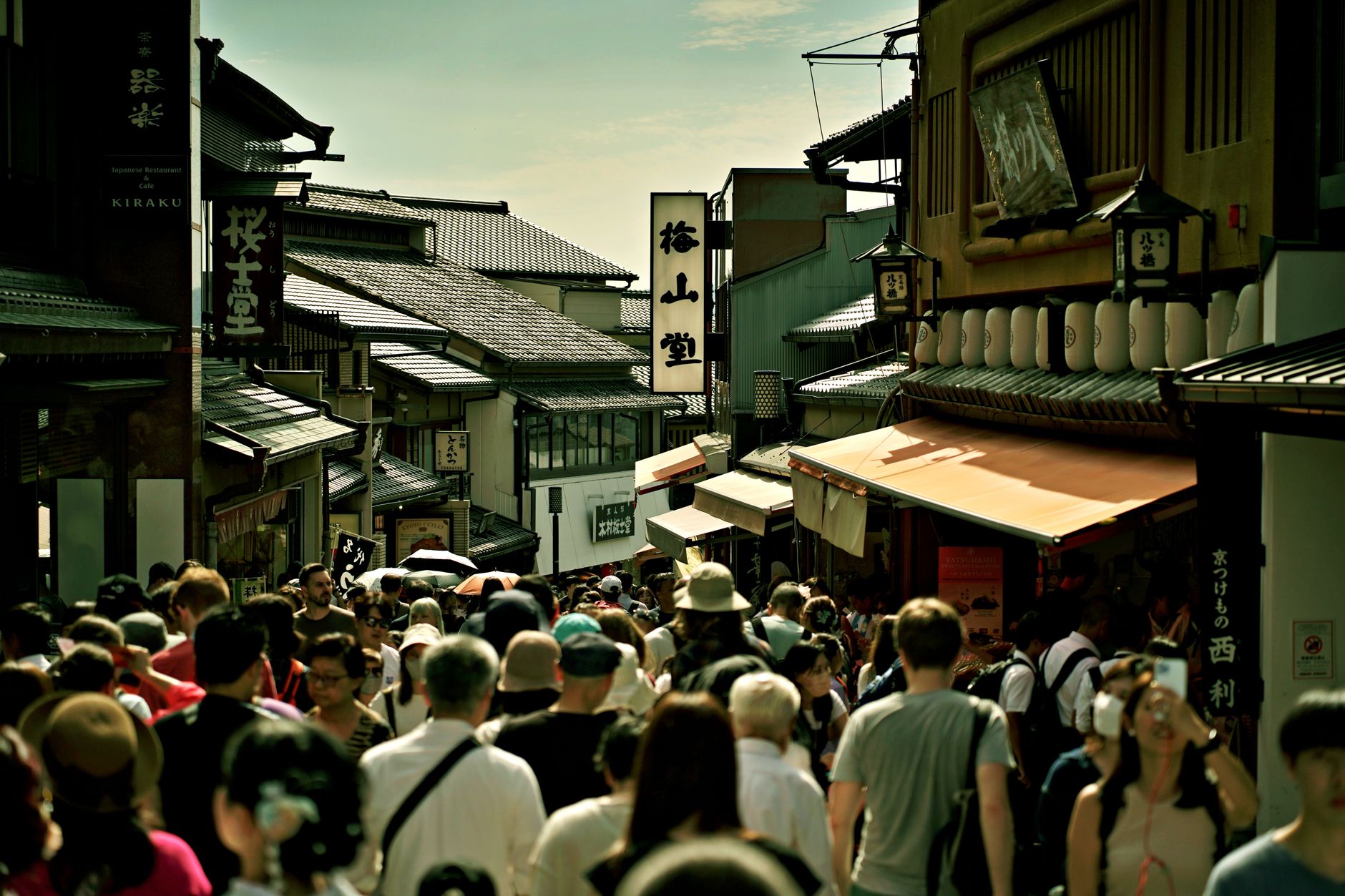
According to Kyoto’s municipal government, over 3.5 million tourists arrived in June alone, a 27% increase compared to the same period in 2025. The surge is attributed to the relaxation of travel restrictions, a weak yen, and the global spotlight on Japanese culture following the 2025 Osaka Expo.
Background: Kyoto’s Enduring Allure
Kyoto has been Japan’s cultural heart for centuries, drawing visitors to its historic districts like Gion and Arashiyama. Its 17 World Heritage Sites, including Kinkaku-ji and Fushimi Inari-taisha, are magnets for tourists seeking authentic Japanese experiences.
Before the COVID-19 pandemic, Kyoto was already grappling with the effects of overtourism. In 2019, tourist numbers peaked at 53 million, leading to crowded streets, strained public transport, and local complaints, according to NHK World.
The pandemic brought a temporary respite, with international arrivals dropping by over 90% in 2020. However, the recovery has been swift and robust, with 2026 projected to surpass all previous records, as stated by the Kyoto Tourism Board.
Key Details: Summer 2026 Tourism Boom

This summer, Kyoto’s hotels are reporting occupancy rates above 95%, with many properties fully booked through August, according to Nikkei Asia. Popular attractions like the Philosopher’s Path and Nishiki Market are experiencing daily visitor counts double their pre-pandemic averages.
Local authorities have implemented crowd control measures, including timed entry at major temples and increased public transit services. The city has also launched multilingual information campaigns to guide tourists and minimize disruptions to residents.
Despite these efforts, residents report challenges such as noise, litter, and congestion in residential neighborhoods. Gion’s iconic geisha district has seen a rise in inappropriate tourist behavior, prompting stricter enforcement of photography bans and pedestrian restrictions, as reported by The Asahi Shimbun.
Economic Impact and Community Response
The tourism boom is boosting local businesses, with restaurants and shops reporting sales increases of 30% year-on-year. However, some traditional establishments express concern about losing their unique atmosphere amid the crowds, according to interviews by The Mainichi.

City officials are working with UNESCO and cultural preservation groups to balance economic benefits with heritage protection. New guidelines encourage sustainable tourism, such as promoting lesser-known sites and off-peak travel.
Community groups have organized workshops for visitors on local customs and etiquette. Efforts to foster respectful tourism include distributing pamphlets and offering guided tours led by Kyoto residents.
Analysis: Overtourism Challenges
Experts warn that unchecked growth could threaten Kyoto’s fragile cultural assets. "The risk is that the city becomes a victim of its own success," said Professor Hiroshi Tanaka of Kyoto University, as quoted by Reuters. "Sustainable management is crucial."
The city’s infrastructure, including public transport and waste management, is under strain. Authorities are considering tourist taxes and limits on short-term rentals to ease pressure on residential areas, according to The Japan News.
Some residents advocate for digital ticketing and reservation systems to manage visitor flows. Others call for more investment in public amenities and stricter enforcement of local ordinances.
What’s Next: Sustainable Tourism Initiatives
Looking ahead, Kyoto plans to expand its "Smart Tourism" program, using AI and real-time data to monitor crowd levels and adjust recommendations for visitors. The city will also promote rural areas and nearby destinations to distribute tourism more evenly.
International travel agencies are collaborating with local partners to design eco-friendly tours and highlight responsible travel practices. The Japan National Tourism Organization is increasing its focus on education and outreach to ensure long-term sustainability.
As Kyoto navigates the challenges of its record-breaking summer, stakeholders agree that preserving the city’s unique heritage while welcoming the world will require ongoing innovation and cooperation.
Sources
- Kyoto City Tourism Association
- The Japan Times
- NHK World
- Nikkei Asia
- The Asahi Shimbun
- The Mainichi
- Reuters
- The Japan News
Sources: Information sourced from Kyoto City Tourism Association, The Japan Times, NHK World, Nikkei Asia, The Asahi Shimbun, The Mainichi, Reuters, and The Japan News.