
Background: A Shift in Travel Preferences
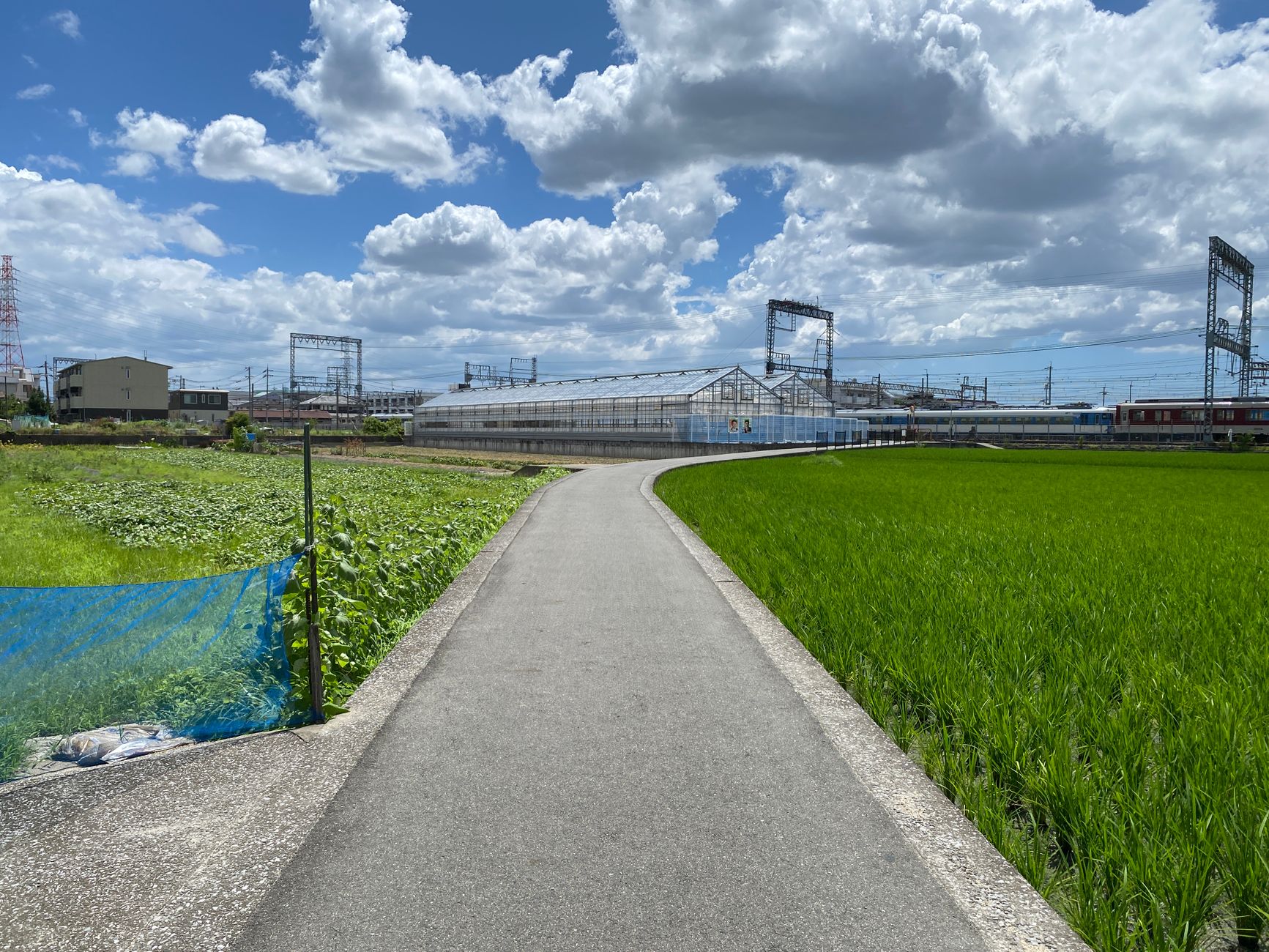
Japan reopened its borders to all international travelers in late 2025 after years of pandemic restrictions. Since then, travel habits have evolved. According to JNTO, there has been a 38% increase in bookings to rural prefectures compared to 2019. Many travelers now prioritize open spaces, local culture, and sustainable experiences over crowded urban attractions.
Key Destinations: Standouts in the Spotlight
Shirakawa-go, a UNESCO World Heritage site known for its traditional gassho-zukuri farmhouses, has seen visitor numbers double since 2025, according to Gifu Prefecture Tourism Board. The village’s picturesque thatched roofs and mountain backdrop are now a fixture on social media, driving further interest.
Travelers’ Motivations: Seeking Authenticity
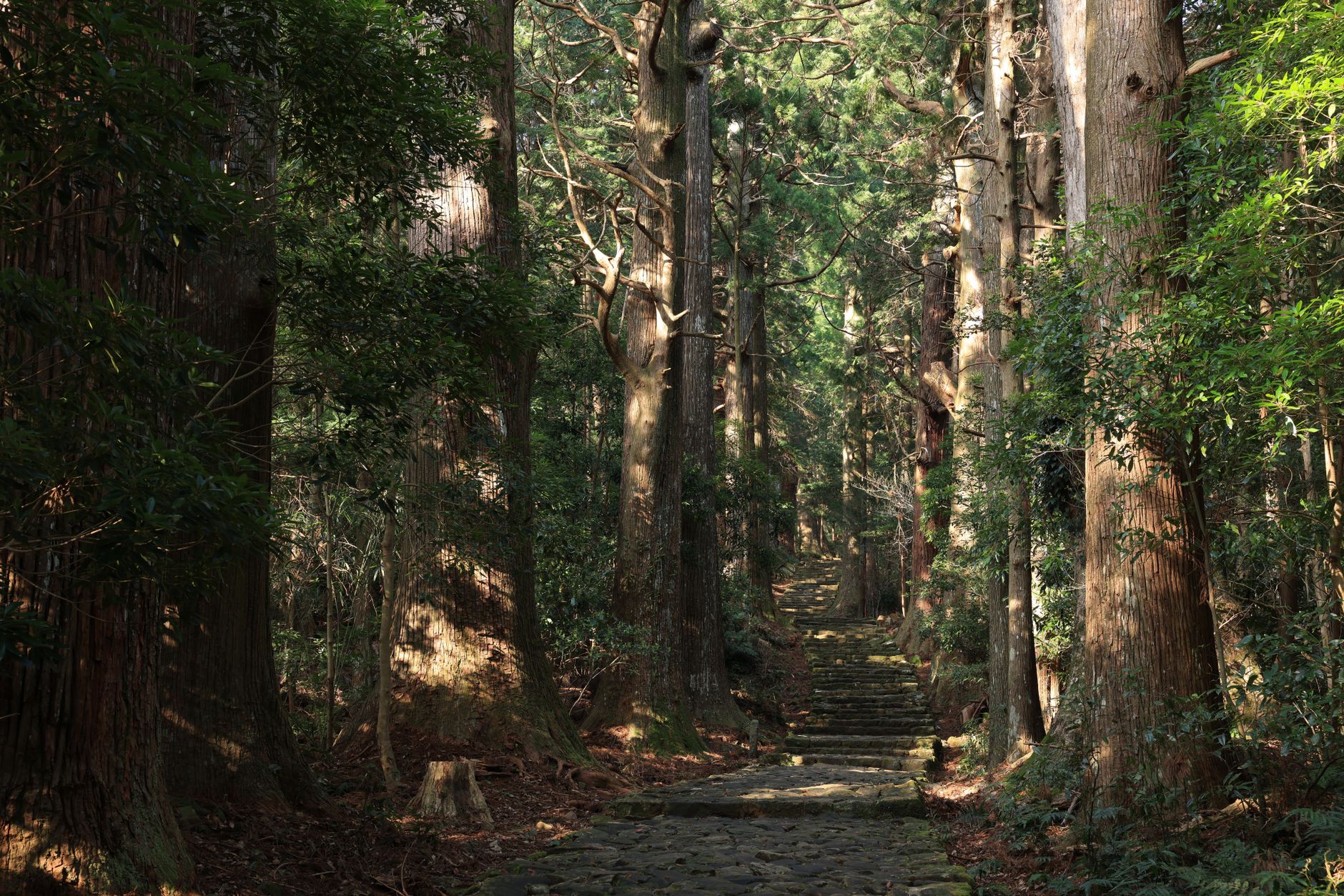
According to a survey by Rakuten Travel, 62% of respondents cited 'authentic local experiences' as their main reason for choosing rural Japan. Activities such as farmhouse stays, traditional craft workshops, and regional food tours top the list of sought-after experiences.

Economic and Social Impact
Local economies are reaping the benefits. According to the Ministry of Land, Infrastructure, Transport and Tourism (MLIT), rural tourism revenue in the first half of 2026 is up 54% over last year. Small businesses, from guesthouses to craft cooperatives, report full bookings and increased sales.
Government Initiatives and Infrastructure
The Japanese government has rolled out new incentives for rural tourism, including subsidies for eco-lodges and expanded rail passes for regional lines. Digital infrastructure upgrades, such as multilingual apps and cashless payment systems, are helping rural areas accommodate international guests.

Travel Industry Response
Major travel agencies like JTB and HIS have expanded their rural offerings, introducing curated itineraries and small-group tours. Airbnb reports a 70% increase in rural Japan bookings compared to summer 2025, with demand highest among travelers from the US, Australia, and Southeast Asia.
Analysis: Why Rural Japan, Why Now?
Experts say the trend is driven by a convergence of factors: post-pandemic health consciousness, a global craving for meaningful travel, and Japan’s unique blend of tradition and natural beauty. The Japan Times cites a 'desire for reconnection' as a key motivator for many visitors.
What’s Next: Sustaining the Boom
Looking ahead, stakeholders are focused on sustainability. The government is investing in green infrastructure, while local communities are developing long-term tourism management plans. Experts warn that maintaining authenticity and environmental balance will be critical as interest continues to rise.
Sources
References for this article include Japan National Tourism Organization (JNTO) reports, The Japan Times, World Tourism Organization (UNWTO) data, Rakuten Travel surveys, and the Ministry of Land, Infrastructure, Transport and Tourism (MLIT).
Sources: Information sourced from Japan National Tourism Organization, The Japan Times, UNWTO, Rakuten Travel, and MLIT reports.