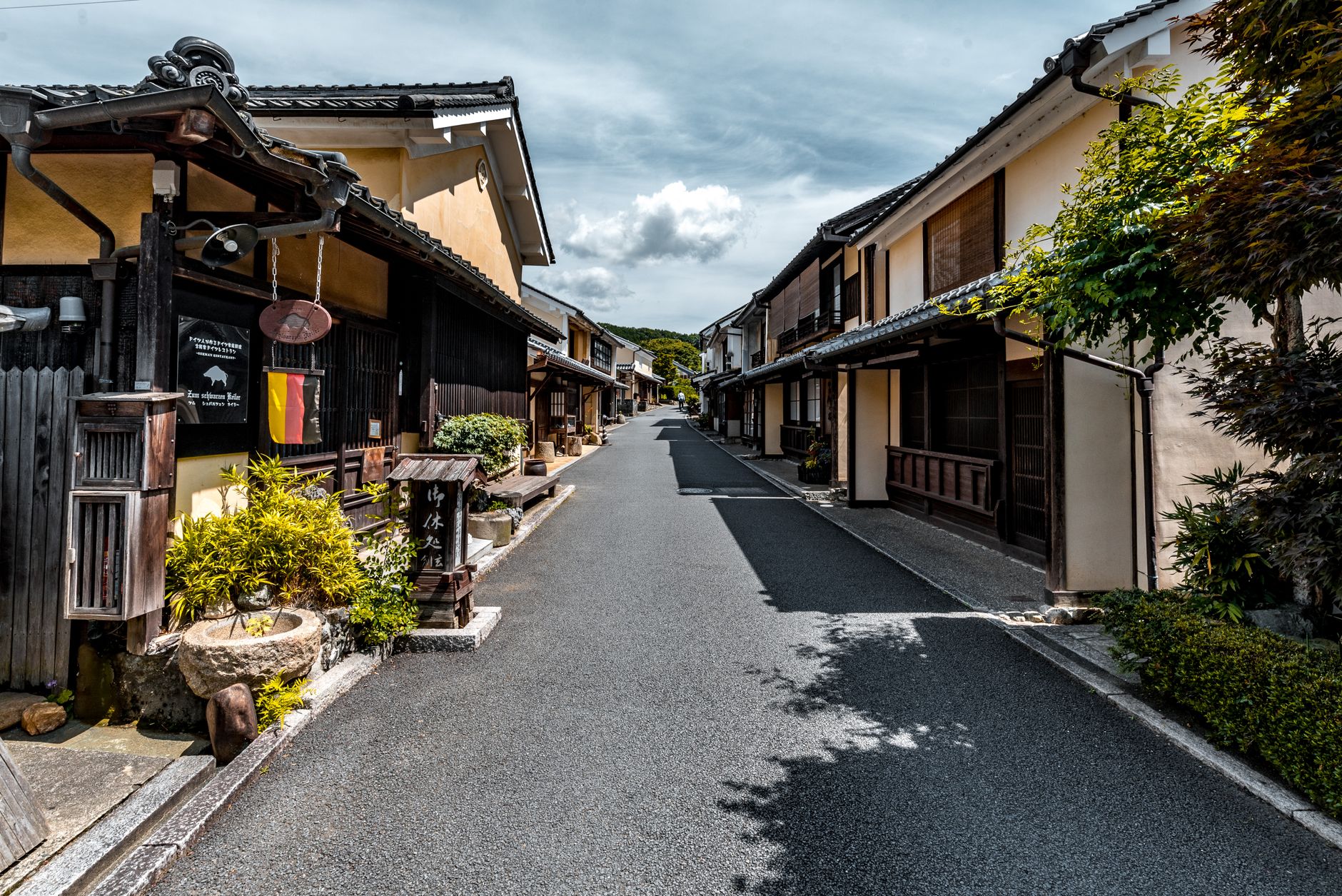
Japan’s rural villages are experiencing a tourism boom in 2026 as travelers seek authentic experiences and escape crowded cities, reshaping the country’s travel landscape and boosting local economies.
Japan’s rural villages are seeing a record influx of international tourists this summer, as travelers shift away from crowded urban hotspots to seek authentic cultural experiences and natural beauty, according to Japan National Tourism Organization (JNTO) data released July 15, 2026.
The surge comes amid growing concerns about overtourism in major Japanese cities like Tokyo, Kyoto, and Osaka. In response, government officials and travel platforms have promoted lesser-known destinations, leading to a dramatic rise in bookings for rural areas.

Background: Overtourism Drives Change
Tourism in Japan rebounded sharply after pandemic-era restrictions lifted in 2023. By 2025, visitor numbers surpassed pre-pandemic records, with 37.2 million international arrivals, according to the Japan Tourism Agency.Kyoto and Tokyo, long-time favorites, faced overcrowding, straining infrastructure and prompting local protests. The government responded by launching the "Rediscover Rural Japan" campaign in late 2025, spotlighting off-the-beaten-path destinations.
Key Destinations: Shirakawa-go, Tottori, and More
Shirakawa-go, a UNESCO World Heritage village in Gifu Prefecture, reported a 62% increase in foreign visitors in the first half of 2026, according to local tourism boards. The thatched-roof houses and scenic landscapes have become Instagram sensations.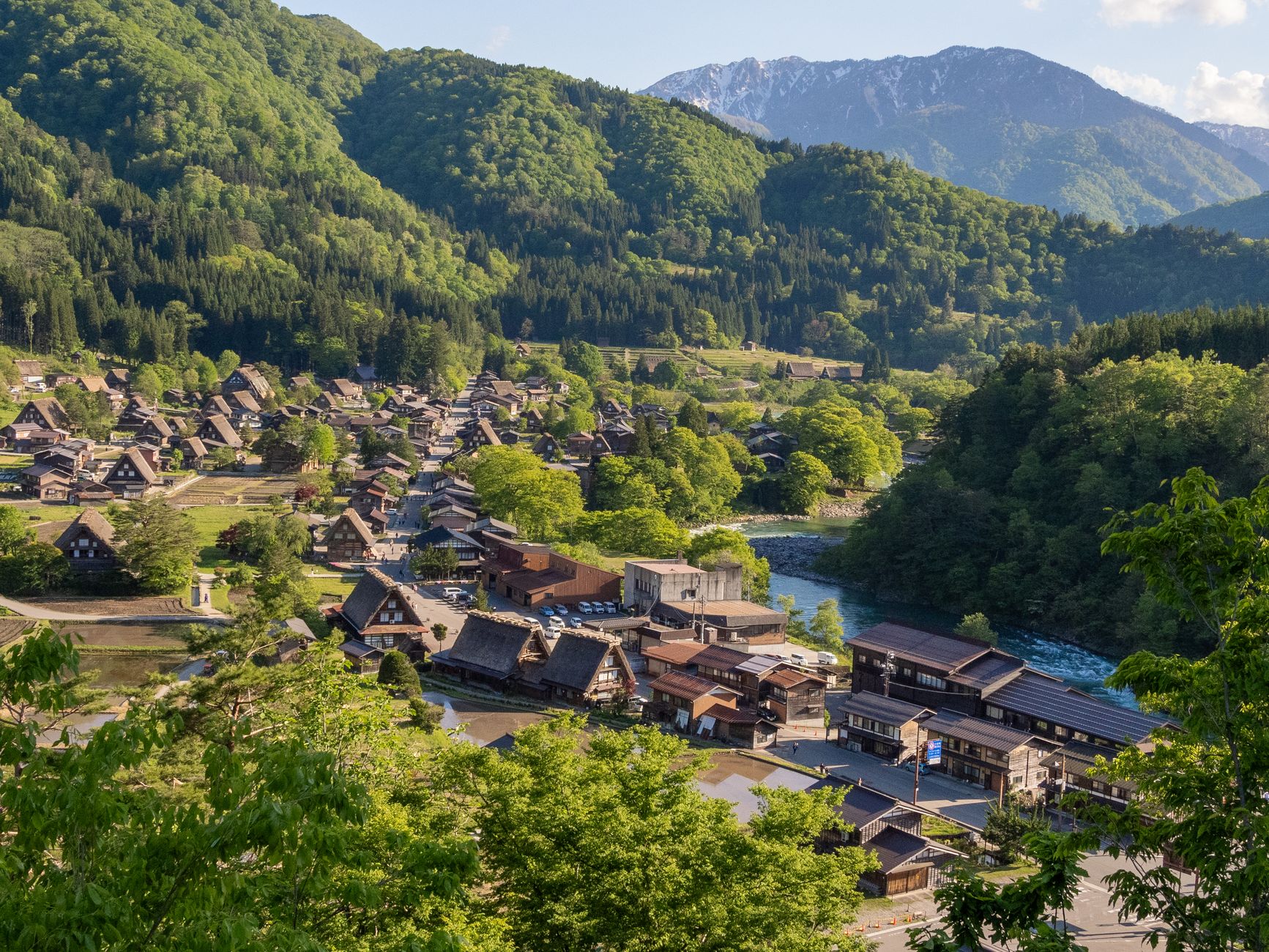
Tottori, famous for its sand dunes and peaceful coastline, saw hotel occupancy rates jump to 91% in June 2026, a 40% rise year-over-year, as reported by Nikkei Asia. Other trending spots include the Noto Peninsula, Oita’s hot spring towns, and the Kiso Valley.
Why Travelers Are Flocking to the Countryside
Travel experts cite a desire for authenticity and sustainability as major factors. “Travelers want immersive experiences—farm stays, local festivals, and traditional crafts,” said Aya Nakamura, a travel analyst at HIS Japan, in an interview with The Japan Times.Social media has played a key role. Viral TikTok and Instagram posts featuring rice terraces, local cuisine, and tranquil temples have fueled interest among Gen Z and millennial tourists, according to a 2026 Expedia report.

Economic Impact on Local Communities
The tourism boom is revitalizing rural economies. In Gifu Prefecture, tourism revenue grew by 38% in the first half of 2026, according to prefectural data. Local artisans and farmers report increased sales, and new guesthouses are opening monthly.However, some communities are grappling with the sudden influx. “We welcome tourists, but need to balance growth with preservation,” said Mayor Yuki Saito of Shirakawa-go, as quoted by NHK. Local governments are investing in infrastructure and sustainability programs.
Government and Industry Response
Japan’s Ministry of Land, Infrastructure, Transport and Tourism (MLIT) has expanded grants for rural tourism development, allocating ¥12 billion ($80 million) in 2026 for infrastructure, language support, and eco-friendly initiatives.Major travel platforms like Airbnb and Rakuten Travel have added new rural listings and curated experiences, including guided hikes, cooking classes, and cycling tours. JR East launched special rail passes for rural regions, making travel more accessible.
Challenges: Sustainability and Capacity
Experts warn that unchecked growth could threaten the very charm attracting visitors. The Japan Ecotourism Society urges careful planning, noting that some villages have limited waste management and water resources.Local leaders are introducing visitor caps and reservation systems for popular sites. Shirakawa-go now requires advance booking for group tours, while Tottori has set daily limits for dune access during peak season.
Traveler Perspectives
Tourists interviewed by Reuters praised the hospitality and peaceful atmosphere. “It’s a different side of Japan—slower, more personal,” said Sarah Kim, a visitor from South Korea. Many cited the appeal of escaping city crowds and connecting with nature.Travel agencies report that multi-day rural itineraries are now outselling traditional city tours for the first time. Solo travelers and families alike are seeking village homestays and outdoor adventures.
What’s Next for Rural Tourism in Japan?
Industry analysts predict continued growth through 2027, especially as international flights to regional airports increase. The government plans to expand digital resources and promote lesser-known festivals and heritage sites.Experts emphasize the need for ongoing collaboration between local communities, government, and tourism operators to ensure sustainable growth. “The world is discovering Japan’s rural heartland,” said Nakamura. “The challenge is to protect it for generations to come.”
Sources
Information for this article was sourced from the Japan National Tourism Organization, Nikkei Asia, The Japan Times, NHK, Reuters, and official government releases.Sources: Information sourced from Japan National Tourism Organization, Nikkei Asia, The Japan Times, NHK, Reuters, and official government releases.