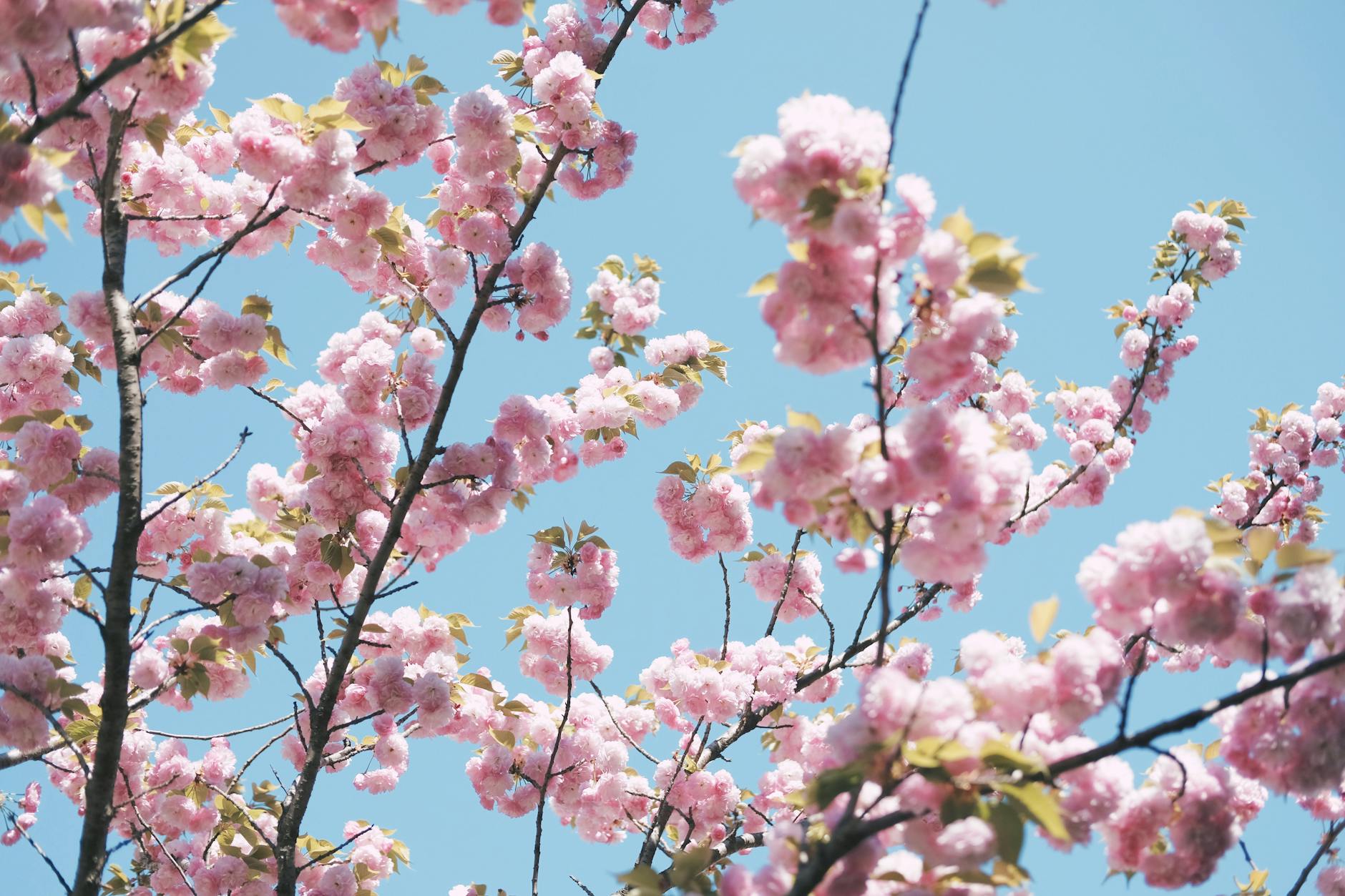
Japan’s cherry blossom season is seeing unprecedented tourist numbers in March 2026, with travelers flocking to Tokyo, Kyoto, and Osaka for the iconic sakura bloom and cultural festivities.
Japan’s cherry blossom season is experiencing a historic surge in international tourism this March, as millions of travelers arrive to witness the iconic sakura bloom in Tokyo, Kyoto, and Osaka, according to the Japan National Tourism Organization (JNTO).
The annual sakura, or cherry blossom, season has long been a symbol of Japanese spring. This year, however, the phenomenon has become a global travel sensation, with visitor numbers reaching new highs. The JNTO reports that over 3.2 million foreign tourists arrived in Japan in March 2026, a 28% increase over the same period last year.

Historic Numbers and Global Appeal
Japan’s tourism sector is booming this spring, fueled by pent-up post-pandemic demand and viral social media coverage of the blossoms. According to Reuters, flights to Tokyo and Osaka have been sold out for weeks, and hotel occupancy rates in major cities have surpassed 95%.Travel agencies in Europe, North America, and Southeast Asia report record bookings for Japan tours. The Economic Times notes that group travel packages centered on sakura viewing sold out months in advance. Instagram and TikTok are flooded with images and videos of pink-hued parks, further fueling interest.
Peak Bloom Arrives Early
This year’s cherry blossoms reached peak bloom earlier than usual, with the Japan Meteorological Agency confirming full bloom in Tokyo on March 24, five days ahead of the historical average. Kyoto and Osaka followed closely, creating a compressed window for travelers to catch the spectacle.Experts attribute the early bloom to warmer temperatures in February and March, as reported by NHK World. Climate scientists are monitoring these changes, noting that earlier blooms may become the norm in coming years.

Popular Viewing Spots
Ueno Park in Tokyo, Maruyama Park in Kyoto, and Osaka Castle Park are among the most crowded sakura destinations. Local authorities have implemented crowd control measures, including timed entry and expanded public transport services, to manage the influx.According to The Japan Times, drone footage shows thousands of visitors picnicking under the blossoms daily. Vendors are capitalizing on the crowds, offering seasonal treats like sakura mochi and blossom-themed beverages.
Cultural Events and Festivities
In addition to flower viewing, cities across Japan are hosting hanami festivals, lantern-lit night viewings, and traditional performances. The Kyoto Tourism Association reports that tea ceremonies and kimono rentals are in especially high demand this year.Many temples and shrines have extended their opening hours to accommodate visitors. Local artisans are showcasing cherry blossom-inspired crafts, and museums are hosting special exhibitions on the cultural significance of sakura.

Economic Impact
Tourism officials estimate that the 2026 sakura season will generate over $6 billion in revenue for the Japanese economy, the highest on record. According to The Economic Times, hotels, restaurants, and transport operators are reporting double-digit growth compared to pre-pandemic years.The surge has also benefited rural areas, as travelers seek less crowded viewing spots in regions like Tohoku and Kyushu. Local governments are promoting off-the-beaten-path destinations to distribute tourism more evenly.
Challenges and Sustainability
While the tourism boom is a boon for business, it has raised concerns about overcrowding and environmental impact. NHK World reports that some parks have limited picnic areas to protect delicate tree roots, and waste management teams are working overtime.The Ministry of the Environment is urging visitors to follow 'leave no trace' guidelines. Several NGOs are running awareness campaigns on responsible tourism, emphasizing respect for local customs and natural spaces.
Travel Tips for 2026 Visitors
Travel experts recommend booking accommodations and transport well in advance due to high demand. The JNTO suggests exploring lesser-known sakura spots and using public transit to avoid traffic congestion.Mobile apps tracking bloom forecasts and crowd levels have become essential tools for tourists. The Japan Times highlights several English-language apps that help travelers plan their itineraries in real time.
International Reactions
Major airlines have added extra flights to Japan, and several countries have issued travel advisories highlighting the popularity of sakura season. Social media influencers from around the world are documenting their experiences, further boosting Japan’s profile as a must-visit spring destination.Travel industry analysts predict that Japan’s cherry blossom tourism will continue to grow, with 2026 setting a new benchmark for international arrivals during the spring months.
What’s Next for Japan’s Travel Industry?
With the success of this year’s sakura season, Japanese tourism authorities are preparing for the upcoming Golden Week holiday and summer festivals. The JNTO is investing in infrastructure upgrades and sustainable tourism initiatives to balance growth and preservation.Sources: Information sourced from Reuters, The Economic Times, The Japan Times, NHK World, and the Japan National Tourism Organization.
Sources: Information sourced from Reuters, The Economic Times, The Japan Times, NHK World, and the Japan National Tourism Organization.