Background: The Green Case and Its Origins
United States v. Green originated in 2023, when federal agents accessed the smartphone data of Marcus Green, a suspect in a multi-state cybercrime investigation, without obtaining a warrant. The defense argued that such access violated Green’s constitutional rights, while prosecutors claimed exigent circumstances justified the search. The case quickly escalated through lower courts due to its implications for digital privacy, according to The Washington Post.
The Supreme Court Takes Up the Case
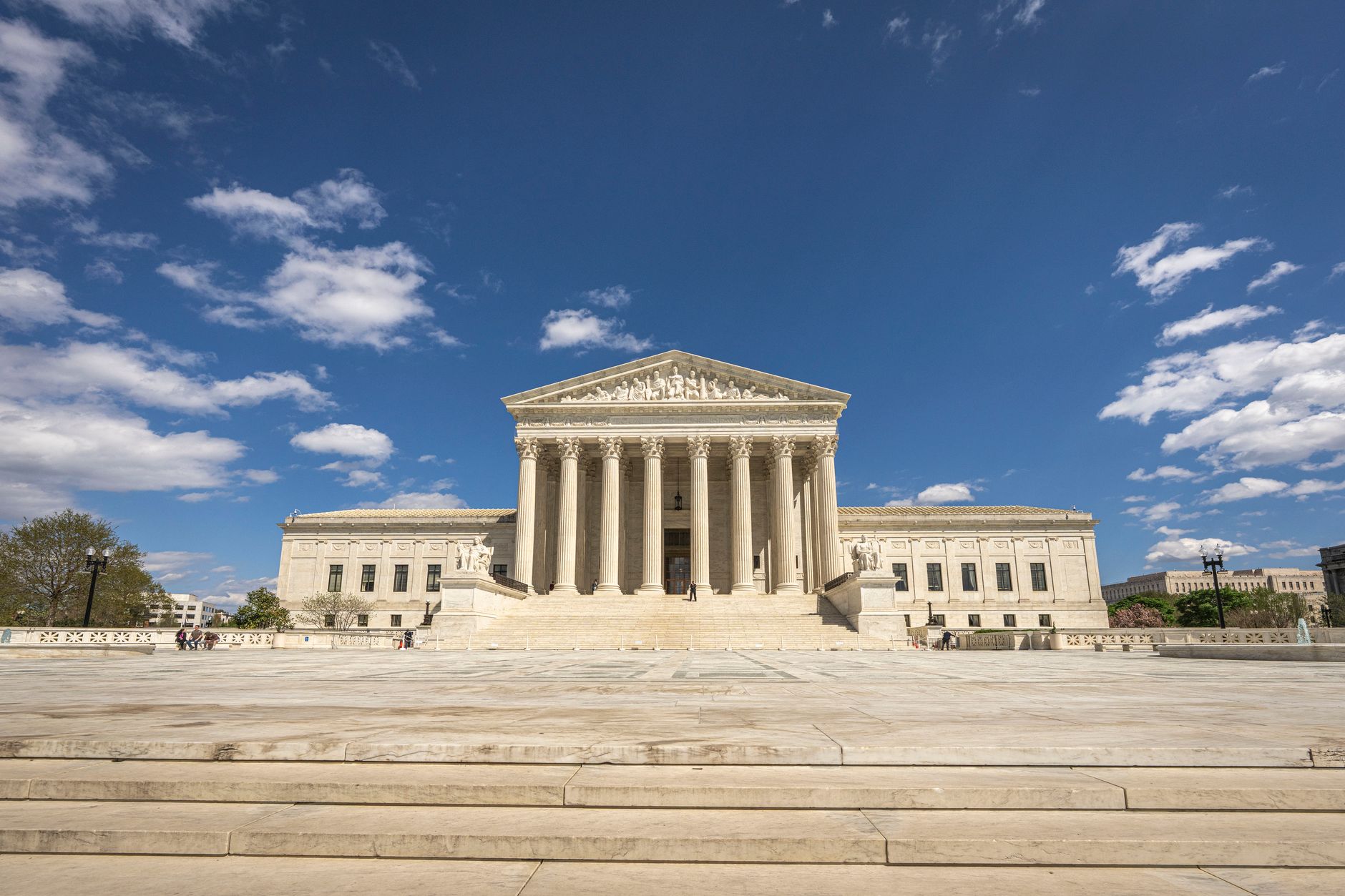
Recognizing the national significance, the Supreme Court agreed to hear the case in late 2025. Oral arguments drew widespread attention, with civil liberties groups and technology companies filing amicus briefs supporting stronger privacy protections. Law enforcement agencies and the Department of Justice argued for broader investigative powers, citing rising cybercrime rates, as noted by Bloomberg Law.

The Majority Opinion: A New Standard
On July 25, 2026, the Court issued its decision. Writing for the majority, Justice Elena Kagan declared that law enforcement must obtain a warrant before accessing location and communication data from personal devices, except in narrowly defined emergency situations. The opinion cited the "unprecedented scope and sensitivity" of digital footprints, referencing data from Pew Research Center showing that 94% of Americans store sensitive information on their smartphones.
Dissenting Views and Concerns
In a strongly worded dissent, Justice Samuel Alito warned that the decision could hinder law enforcement’s ability to respond swiftly to threats. He argued that the majority’s approach may allow criminals to exploit privacy protections, undermining public safety. The dissent also raised concerns about practical challenges in obtaining warrants in time-sensitive investigations, as reported by SCOTUSblog.

Immediate Impact on Law Enforcement and Technology
Federal and state agencies must now update their protocols to comply with the new warrant requirement. The Department of Justice announced an internal review of investigative practices, while several police unions expressed concerns about delays in criminal investigations. Technology firms, including Apple and Google, welcomed the decision, stating it aligns with their efforts to enhance user privacy, according to The Verge.
Broader Implications for Digital Privacy
The decision is expected to influence ongoing debates over data privacy, encryption, and surveillance. Legal experts predict that the ruling will set a precedent for future cases involving emerging technologies, such as smart home devices and wearable tech. According to Pew Research Center, Americans increasingly view digital privacy as a fundamental right, with 81% expressing concerns about government access to personal data.
Analysis: Legal, Social, and Political Reactions
Legal scholars describe the ruling as a watershed moment for Fourth Amendment jurisprudence. Professor Laura Donohue of Georgetown Law told NPR that the decision "brings constitutional protections into the digital age." Political leaders are divided, with some calling for new legislation to address law enforcement concerns, while others urge Congress to codify the Court’s standard into federal law.
What’s Next: Implementation and Future Challenges
Legal experts anticipate a wave of litigation as lower courts interpret the Supreme Court’s guidelines. Law enforcement agencies are expected to seek clarification on what constitutes an "emergency" exception. Congress may introduce bipartisan bills to address ambiguities and ensure effective enforcement while safeguarding rights.
Sources
This article references reporting and analysis from Reuters, The New York Times, The Washington Post, Bloomberg Law, SCOTUSblog, The Verge, Pew Research Center, and NPR.
Sources: Information sourced from Reuters, The New York Times, The Washington Post, Bloomberg Law, SCOTUSblog, The Verge, Pew Research Center, and NPR reports.