
A massive cyberattack on a leading US hospital network has compromised sensitive patient data, highlighting urgent cybersecurity vulnerabilities and sparking new debates over healthcare data privacy regulations.
On March 11, 2026, a sophisticated ransomware attack struck MedSecure Health, one of the largest hospital networks in the United States, compromising the personal health data of over 8 million patients, according to Reuters.
The breach, discovered late Monday evening, has forced MedSecure Health to shut down critical IT systems across 42 hospitals, disrupting patient care and delaying scheduled procedures. Cybersecurity experts are calling it one of the most significant attacks on the US healthcare sector in recent years.
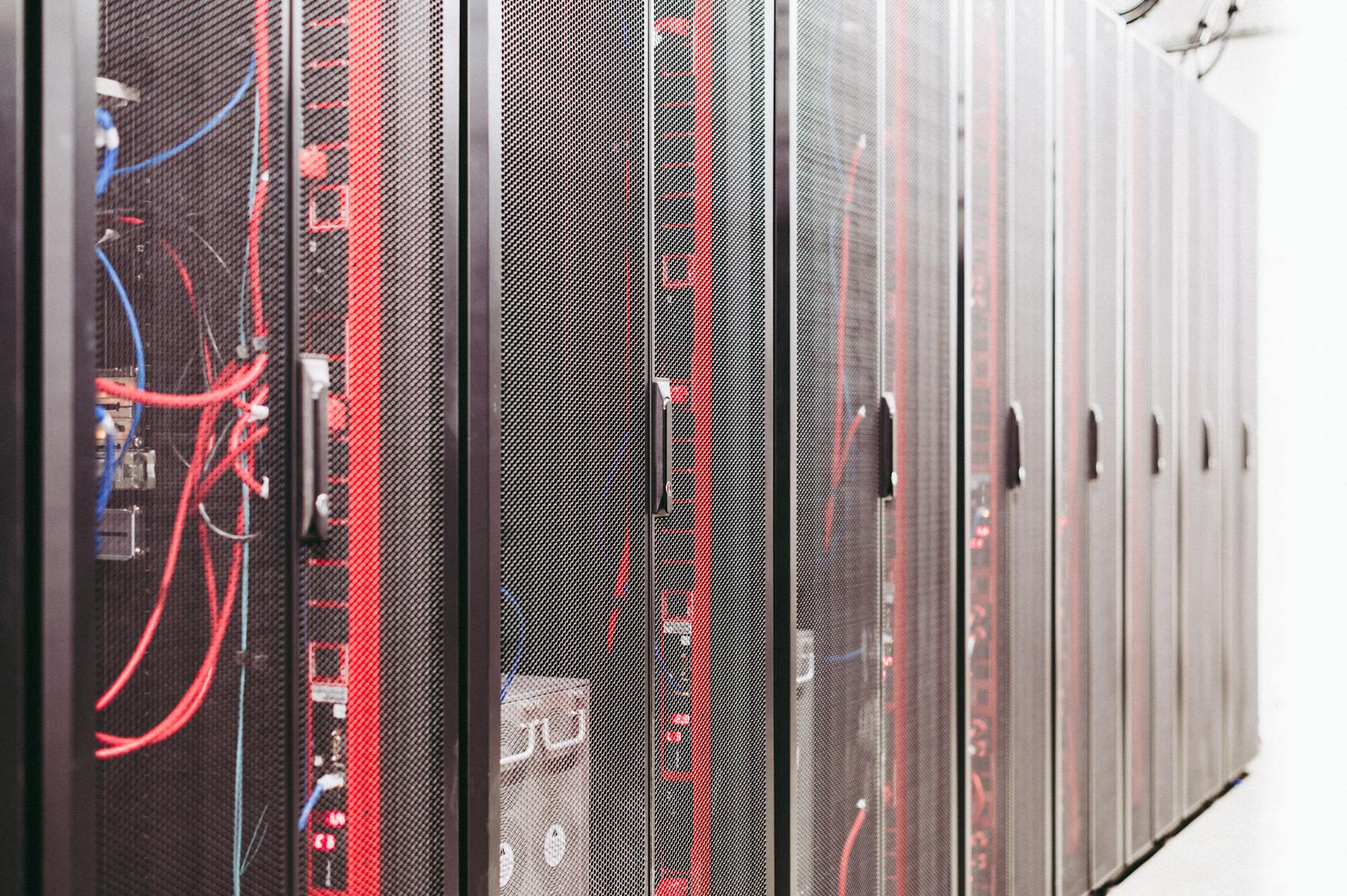
Background: Rising Cyber Threats in Healthcare
Healthcare organizations have become prime targets for cybercriminals due to the sensitive nature of medical data and often outdated IT infrastructure. According to the US Department of Health and Human Services (HHS), ransomware attacks on hospitals increased by 60% in 2025.MedSecure Health, headquartered in Chicago, operates hospitals and clinics in 18 states, serving millions of patients annually. The network had previously invested in cybersecurity upgrades, but experts say the evolving tactics of threat actors have outpaced many defenses.
How the Attack Unfolded
Initial reports from The Wall Street Journal indicate that attackers gained access via a phishing email sent to hospital administrative staff. Once inside, the hackers deployed ransomware that encrypted patient records and demanded a $30 million payment in cryptocurrency.The attack went undetected for several hours, allowing the perpetrators to exfiltrate large volumes of data, including names, addresses, Social Security numbers, medical histories, and insurance details. MedSecure confirmed that no evidence suggests patient care devices were directly affected, but scheduling systems and electronic health records remain offline.
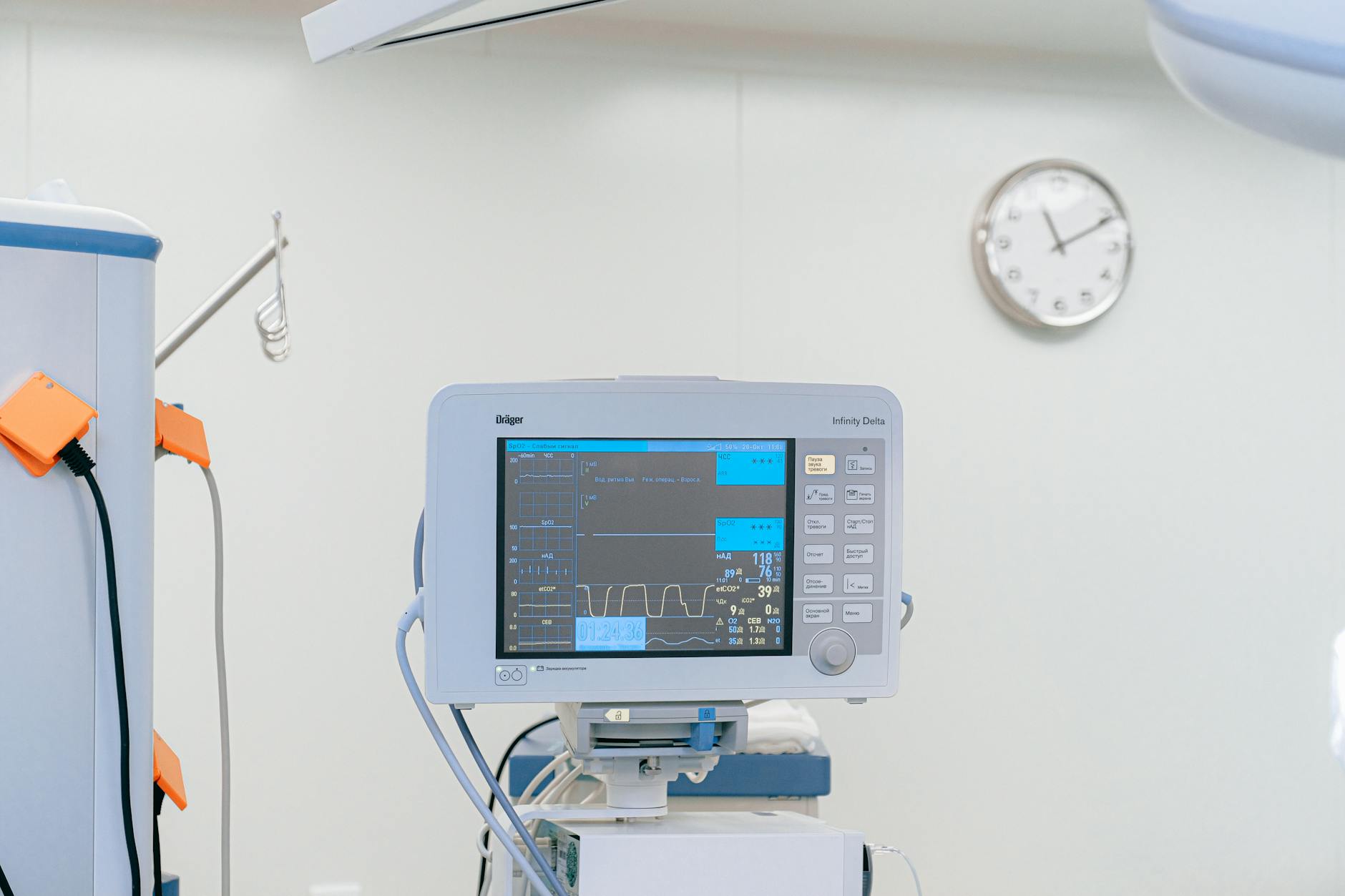
Immediate Impact on Patients and Operations
Thousands of patients have reported canceled appointments and delayed treatments. Emergency rooms have reverted to paper records, and some elective surgeries have been postponed. According to CNN, several hospitals have diverted ambulances to neighboring facilities.MedSecure Health CEO Dr. Laura Kim issued a public apology, stating, "We are working around the clock with federal authorities and cybersecurity experts to restore our systems and protect our patients' privacy." The FBI and Cybersecurity and Infrastructure Security Agency (CISA) are leading the investigation.
Scope of the Data Breach
Preliminary analysis suggests the attackers accessed data on at least 8 million individuals, making this breach one of the largest in US healthcare history. The compromised information could be used for identity theft, insurance fraud, or sold on dark web marketplaces.According to The Economic Times, similar attacks in 2025 resulted in average recovery costs exceeding $10 million per hospital. Experts warn that the long-term consequences for affected patients could include financial loss and increased risk of targeted scams.
Regulatory and Legal Fallout
The breach has triggered investigations by the HHS Office for Civil Rights and state attorneys general. Under the Health Insurance Portability and Accountability Act (HIPAA), MedSecure faces potential fines and mandatory corrective actions if found negligent.Lawmakers are renewing calls for stricter cybersecurity standards in healthcare. Senator Maria Lopez (D-CA) announced plans to introduce legislation mandating minimum security protocols and rapid breach notification requirements for all healthcare providers.
Analysis: Why Healthcare Remains Vulnerable
Cybersecurity analysts from Kaspersky and CrowdStrike note that healthcare IT systems often lack segmentation, making it easier for attackers to move laterally once inside. Legacy software and limited cybersecurity budgets further exacerbate the risk.A 2025 report from IBM Security found that the average time to identify and contain a healthcare breach was 329 days, longer than any other industry. This delay increases the potential damage and cost of recovery.

Industry Response and Preventive Measures
Following the attack, the American Hospital Association (AHA) urged all member hospitals to conduct immediate security audits and implement multi-factor authentication. CISA issued an alert recommending enhanced employee training and regular system backups.MedSecure Health has hired Mandiant, a leading cybersecurity firm, to assist with incident response and forensic analysis. The company has also offered free credit monitoring and identity theft protection to affected patients.
What's Next: The Road to Recovery
Restoring full operations is expected to take weeks, according to MedSecure officials. The hospital network is prioritizing critical care systems and working to notify all impacted individuals as required by law.Experts predict a surge in phishing attempts and scam calls targeting those affected by the breach. The Federal Trade Commission (FTC) has published guidelines for consumers on how to protect themselves from identity theft.
Broader Implications for US Healthcare
This incident underscores the urgent need for investment in cybersecurity across the healthcare sector. As digital health records become ubiquitous, protecting patient data will remain a top priority for regulators and providers alike.Sources: Information for this article was sourced from Reuters, The Wall Street Journal, CNN, The Economic Times, IBM Security, Kaspersky, CrowdStrike, and official statements from MedSecure Health and the US Department of Health and Human Services.
Sources: Information sourced from Reuters, The Wall Street Journal, CNN, The Economic Times, and official statements from MedSecure Health and the US Department of Health and Human Services.