
Karnataka launches India's largest NEP 2020 curriculum overhaul, impacting millions of students. The move sparks debate over readiness, resources, and the future of holistic education nationwide.
Bengaluru, March 29, 2026 — Karnataka has become the first Indian state to fully implement the National Education Policy (NEP) 2020 across all public schools, rolling out a new curriculum for the 2026-27 academic year. The move, announced by the state education minister on March 28, marks a historic milestone in India’s education reform efforts, impacting over 12 million students and 400,000 teachers statewide.
The NEP 2020, approved by the Union Cabinet in July 2020, aims to overhaul India’s education system by promoting multidisciplinary learning, critical thinking, and skill development. Karnataka’s full-scale adoption comes after five years of phased pilots and policy debates, making it a bellwether for other states considering similar transitions.

Background: NEP 2020 and Its Vision
The National Education Policy 2020 seeks to transform Indian education from rote learning to a more holistic, flexible, and learner-centric model. Key features include the 5+3+3+4 curricular structure, mother tongue instruction in early years, and integration of vocational education from Grade 6, according to the Ministry of Education.Since its introduction, NEP 2020 has faced both praise and criticism. Supporters cite its focus on foundational literacy and digital skills, while detractors question resource gaps and readiness, especially in rural areas. Karnataka’s ambitious rollout is seen as a test case for large-scale implementation.
Details of Karnataka’s NEP Rollout
The new curriculum, unveiled on March 28, covers all government and aided schools from pre-primary to Grade 12. According to the Karnataka Department of Primary and Secondary Education, textbooks have been revised to align with NEP guidelines, emphasizing experiential learning, local languages, and flexible subject choices.Teacher training has been a central focus. Over 350,000 teachers completed NEP orientation modules between September 2025 and February 2026, as reported by The Hindu. The state has also introduced digital resource kits and peer mentoring networks to support classroom transitions.
The curriculum overhaul includes early childhood care, coding and AI modules from Grade 6, and a greater emphasis on art, sports, and life skills. Assessments will shift from high-stakes board exams to continuous, competency-based evaluations, according to the state’s policy documents.
Challenges in Implementation
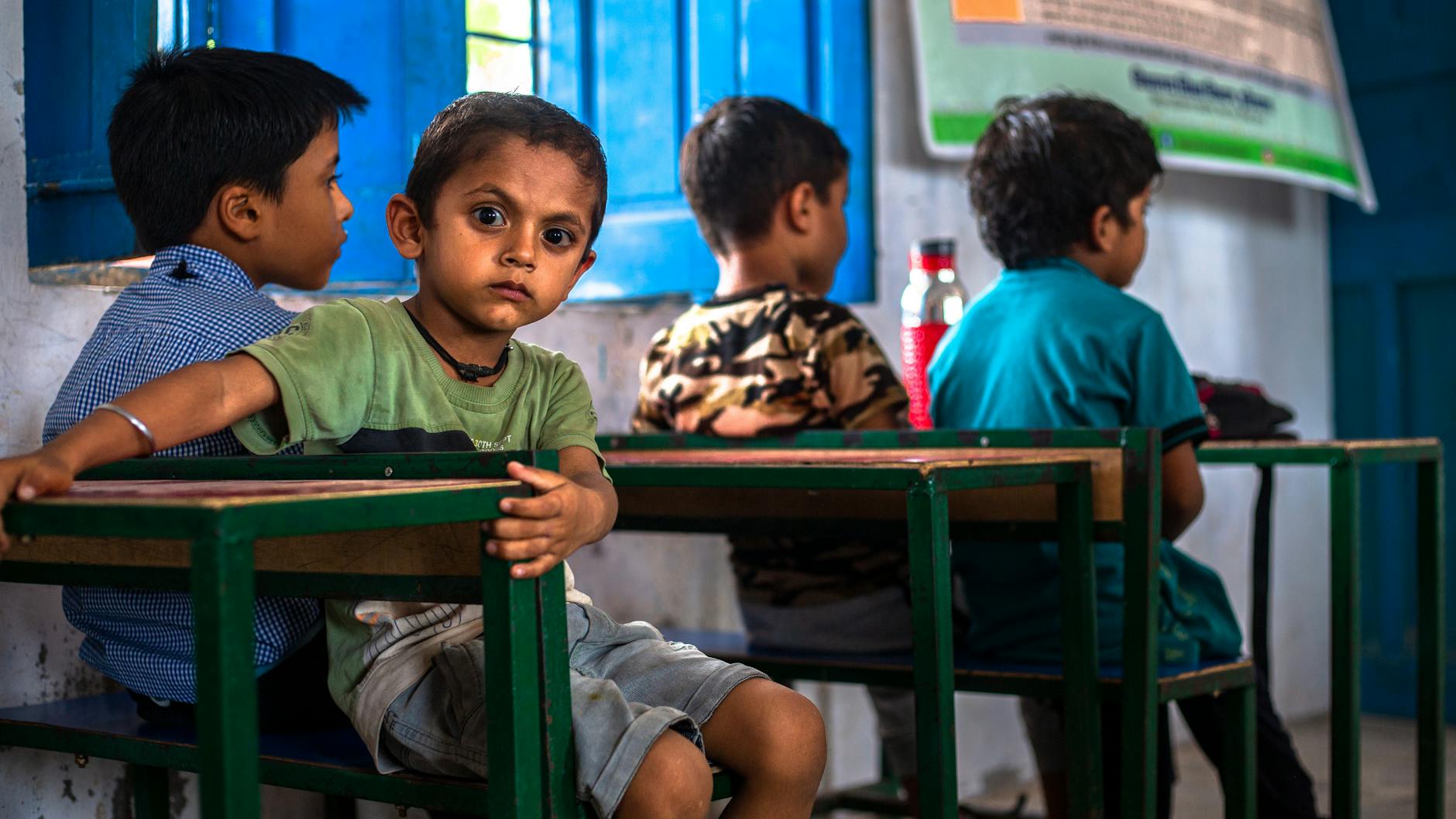
Despite the ambitious scope, challenges persist. Teacher unions have raised concerns over increased workloads and insufficient infrastructure, especially in rural districts. The Times of India reports that nearly 18% of schools lack adequate digital infrastructure for new learning modules.Parents have expressed mixed reactions. While many welcome the focus on skills and creativity, some worry about the transition’s impact on exam preparation and college admissions. The Karnataka Parent-Teacher Association has called for more awareness campaigns and support resources.
Financial constraints remain a hurdle. The state government has allocated ₹2,400 crore for NEP implementation in 2026-27, but experts warn that sustained investment will be needed for infrastructure upgrades and teacher salaries, according to The Economic Times.
National Reactions and Policy Implications
Karnataka’s move has drawn attention from education leaders nationwide. The Union Ministry of Education praised the state’s leadership, urging other states to accelerate NEP adoption. Tamil Nadu and Maharashtra have announced plans for partial rollouts in the upcoming academic year.However, some states remain cautious. West Bengal and Kerala have cited concerns over language policy and resource disparities. Education policy analysts say Karnataka’s experience will likely influence national strategies and funding allocations in the coming years.
Expert Analysis: Opportunities and Risks
Education experts highlight the potential for improved learning outcomes, especially in foundational literacy and STEM skills. Dr. R. Srinivasan of Azim Premji University notes that early data from pilot districts show a 12% increase in reading proficiency among Grade 3 students.Yet, risks remain. Implementation gaps, digital divides, and teacher shortages could undermine progress. UNESCO’s 2025 Global Education Monitoring Report warns that rapid reforms without adequate support may widen existing inequalities, especially for marginalized communities.
On-the-Ground Impact: Voices from Schools
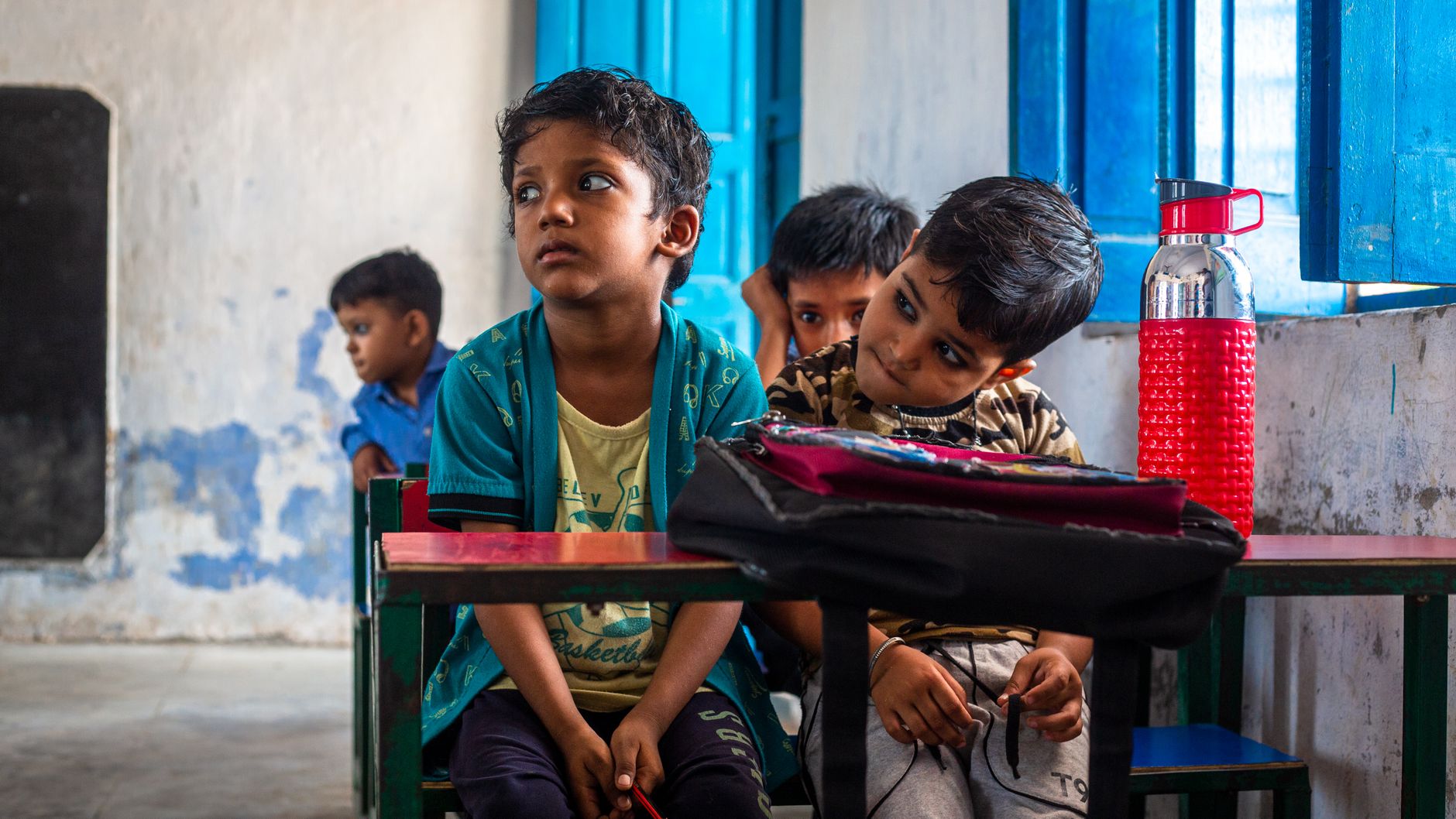
At Government Higher Primary School in Mandya, teachers report increased student engagement with project-based activities and local language instruction. "Children are more curious and confident," says headmistress Suma R., "but we need more training in digital tools."Students like 14-year-old Arjun N. welcome the new coding classes but face challenges accessing online resources at home. Rural schools, in particular, are struggling to bridge the digital gap, highlighting the need for targeted interventions.
What’s Next for NEP Implementation?
The Karnataka government plans to monitor outcomes through annual learning assessments and feedback loops. A state-level NEP review panel will release its first progress report in December 2026, according to the Department of Education.Nationally, the Union Ministry of Education is expected to convene a summit in July 2026 to review state-level progress and share best practices. The NITI Aayog has recommended increased central funding and inter-state collaboration to address disparities.
As India’s largest NEP curriculum overhaul unfolds, education stakeholders across the country are watching Karnataka’s experience closely. The coming months will reveal whether this ambitious reform can deliver on its promise of equitable, high-quality education for all.
Sources
This article draws on reports from The Hindu, The Times of India, The Economic Times, official statements from the Karnataka Department of Primary and Secondary Education, the Ministry of Education, and UNESCO’s 2025 Global Education Monitoring Report.Sources: Information sourced from The Hindu, The Times of India, The Economic Times, Karnataka Department of Primary and Secondary Education, Ministry of Education, and UNESCO reports.