
A massive ransomware attack has crippled hospital networks worldwide, exposing sensitive patient data and sparking urgent calls for stronger cybersecurity in the healthcare sector.
Hospitals across the globe are reeling after a coordinated ransomware attack on March 13, 2026, crippled critical systems, exposed patient data, and forced emergency responses in dozens of countries, according to Reuters.
The cyberattack, attributed to the notorious ShadowLock group, targeted over 250 hospital networks in North America, Europe, and Asia. The incident began late Wednesday evening and rapidly escalated, locking out staff from medical records and disrupting patient care, as reported by The New York Times.
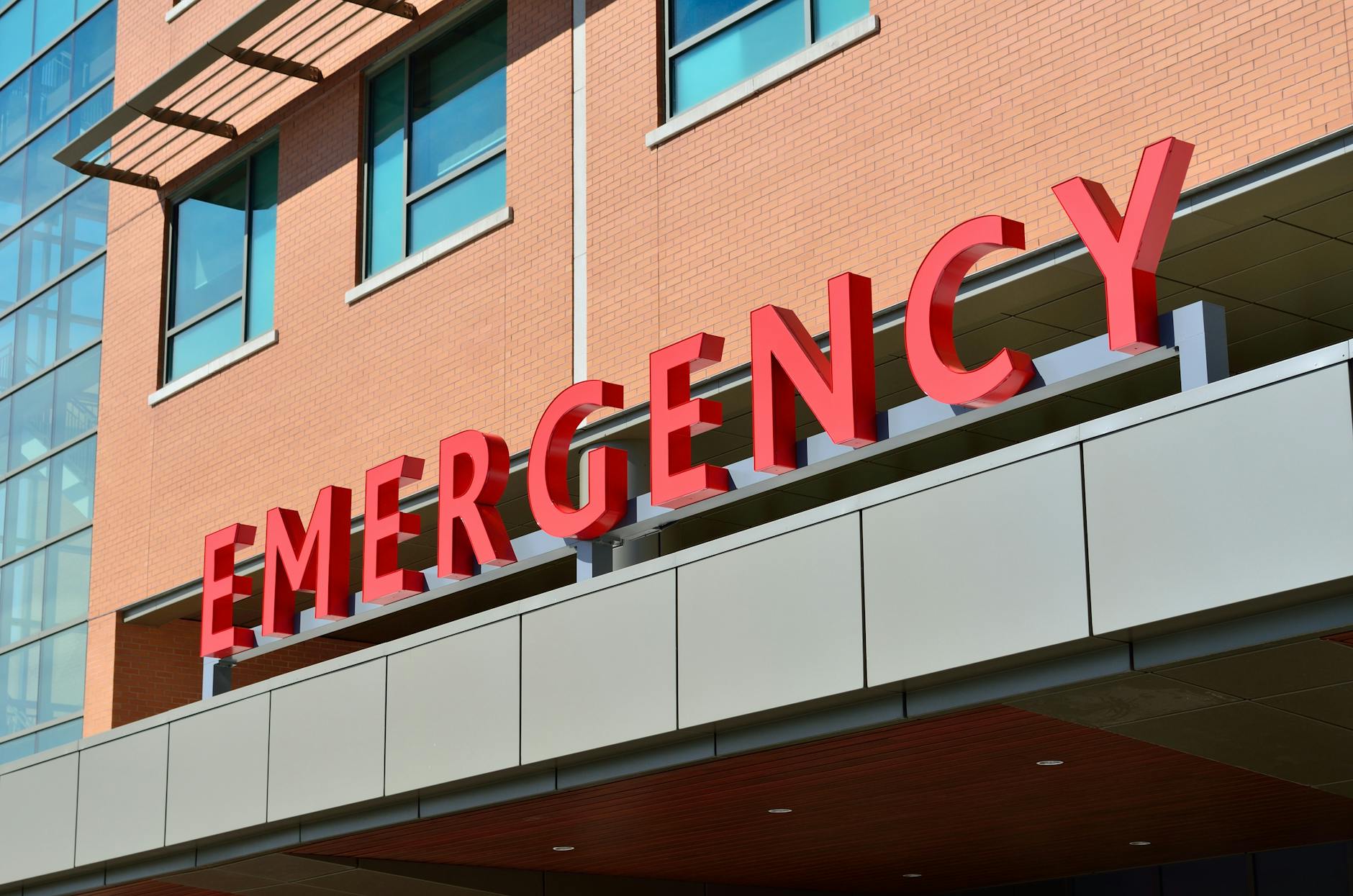
Healthcare providers in the United States, United Kingdom, Germany, and Japan were among the hardest hit. Emergency rooms diverted patients, surgeries were postponed, and some hospitals reverted to paper records, according to statements from affected health systems.
Background: Rising Cyber Threats in Healthcare
Cyberattacks on healthcare have surged in recent years. The World Health Organization (WHO) reported a 60% increase in ransomware incidents targeting hospitals in 2025. Sensitive patient data and critical infrastructure make healthcare an attractive target for cybercriminals.
Experts from the Cybersecurity and Infrastructure Security Agency (CISA) have repeatedly warned that outdated systems and insufficient investment in cybersecurity leave hospitals vulnerable. This latest attack is the largest since the 2021 Colonial Pipeline incident, according to The Economic Times.
How the Attack Unfolded
ShadowLock reportedly exploited a zero-day vulnerability in widely used hospital management software. According to cybersecurity firm FireEye, hackers gained access to networks, encrypted files, and demanded ransoms ranging from $2 million to $10 million per institution.
The attack was highly coordinated. Hospitals reported simultaneous system failures, suggesting a pre-planned, multi-stage operation. IT teams scrambled to isolate infected devices and prevent further spread, but many systems remained offline for hours.
Patient Data Breach: Scope and Impact

Preliminary investigations indicate that personal health information (PHI) of more than 30 million patients may have been compromised. Data potentially exposed includes medical histories, insurance details, and social security numbers, according to statements from the affected networks.
Privacy experts warn that stolen health data can be sold on the dark web or used for identity theft and insurance fraud. The U.S. Department of Health and Human Services (HHS) has launched an inquiry into the breach's full extent.
Emergency Response and Mitigation Efforts
Hospitals activated emergency protocols, including manual record-keeping and backup communication systems. The FBI and Interpol are coordinating with local authorities to track the attackers and recover ransom payments, as reported by BBC News.
Cybersecurity firms such as CrowdStrike and Palo Alto Networks have deployed incident response teams to assist hospitals in restoring systems and securing networks. Some hospitals have refused to pay ransoms, while others are negotiating with the attackers to regain access.
Government and Industry Reactions
Governments worldwide have condemned the attack, calling it a threat to public health and safety. The European Union announced an emergency summit on healthcare cybersecurity, while the U.S. Congress is considering new legislation to mandate stronger protections for critical medical infrastructure.
Industry leaders, including Microsoft and Cisco, have pledged support for affected hospitals and called for greater collaboration between the public and private sectors to defend against future attacks.
Analysis: Why Healthcare Remains Vulnerable
Healthcare organizations often run legacy systems that are difficult to update and secure. According to a 2025 report by IBM Security, 43% of hospitals use software more than a decade old, increasing exposure to cyber threats.
Budget constraints and competing priorities have historically limited investment in cybersecurity. Experts argue that the sector must prioritize digital resilience to protect patient safety and trust.
Impact on Patients and Healthcare Delivery

Patients experienced appointment cancellations, delayed treatments, and confusion over medical records. Some hospitals reported that critical lab results and imaging were inaccessible for several hours, potentially impacting urgent care, according to CNN.
Healthcare professionals described the situation as 'chaotic' and 'unprecedented.' The American Hospital Association (AHA) urged hospitals to review and strengthen their cybersecurity protocols immediately.
What's Next: Strengthening Defenses
In the wake of the attack, governments and healthcare providers are accelerating investments in cybersecurity. The U.S. HHS announced $500 million in emergency funding for hospital security upgrades, while the EU is fast-tracking new data protection regulations.
Cybersecurity experts recommend regular software updates, employee training, and robust backup systems. The incident is expected to drive greater adoption of advanced security technologies such as AI-driven threat detection and zero-trust architectures.
Long-Term Implications for Data Privacy
The breach raises urgent questions about data privacy in healthcare. Regulators may impose stricter reporting requirements and higher penalties for lax security. Patients are advised to monitor their accounts for suspicious activity and demand transparency from providers.
As healthcare becomes increasingly digital, experts warn that cyberattacks will remain a persistent threat. The industry faces a critical juncture: invest in robust defenses or risk further disruptions to patient care and trust.
Sources
Information for this article was sourced from Reuters, The New York Times, BBC News, WHO, The Economic Times, CNN, and official statements from the U.S. Department of Health and Human Services.
Sources: Information sourced from Reuters, The New York Times, BBC News, WHO, The Economic Times, CNN, and official U.S. HHS statements.