
A sophisticated ransomware attack on Maersk has disrupted global shipping operations, exposed sensitive data, and reignited urgent debates over cybersecurity and data privacy in critical infrastructure sectors.
Copenhagen, March 5, 2026 — Global shipping and logistics leader Maersk has been hit by a major ransomware attack, crippling operations across hundreds of ports and terminals worldwide and exposing sensitive customer data, according to statements released by the company and cybersecurity experts.
The cyberattack, detected late March 3, rapidly spread through Maersk’s IT networks, forcing the company to shut down critical systems to contain the breach. Logistics operations in Europe, Asia, and the Americas have experienced severe delays, with thousands of containers stranded, as reported by Reuters.

Maersk confirmed that the attackers deployed a sophisticated strain of ransomware, now identified as 'BlackCrown', which encrypted key databases and demanded a multi-million dollar payment in cryptocurrency for decryption keys. The company has not disclosed whether it intends to pay the ransom, citing ongoing investigations.
Background: Growing Threats to Critical Infrastructure
This incident marks the most significant cyberattack on the global logistics sector since the 2017 NotPetya attack, which also targeted Maersk and caused an estimated $300 million in damages, according to The Economic Times. Cybersecurity analysts have warned that ransomware groups are increasingly targeting critical infrastructure for maximum disruption and ransom leverage.
The BlackCrown ransomware group, believed to be based in Eastern Europe, has previously targeted energy and healthcare companies, but this is their first known breach of a global logistics firm, according to data from cybersecurity firm FireEye.
How the Attack Unfolded
Initial reports indicate the attackers gained access through a phishing email sent to Maersk employees, exploiting a zero-day vulnerability in widely used logistics software, as detailed by The Verge. Once inside, the malware moved laterally, disabling endpoint protection and encrypting both on-premise and cloud-based systems.
Maersk’s IT security team detected unusual network activity within hours and initiated an emergency shutdown of affected systems. However, by then, the ransomware had already spread to multiple business units, including customer service, cargo tracking, and billing.
Impact on Global Supply Chains
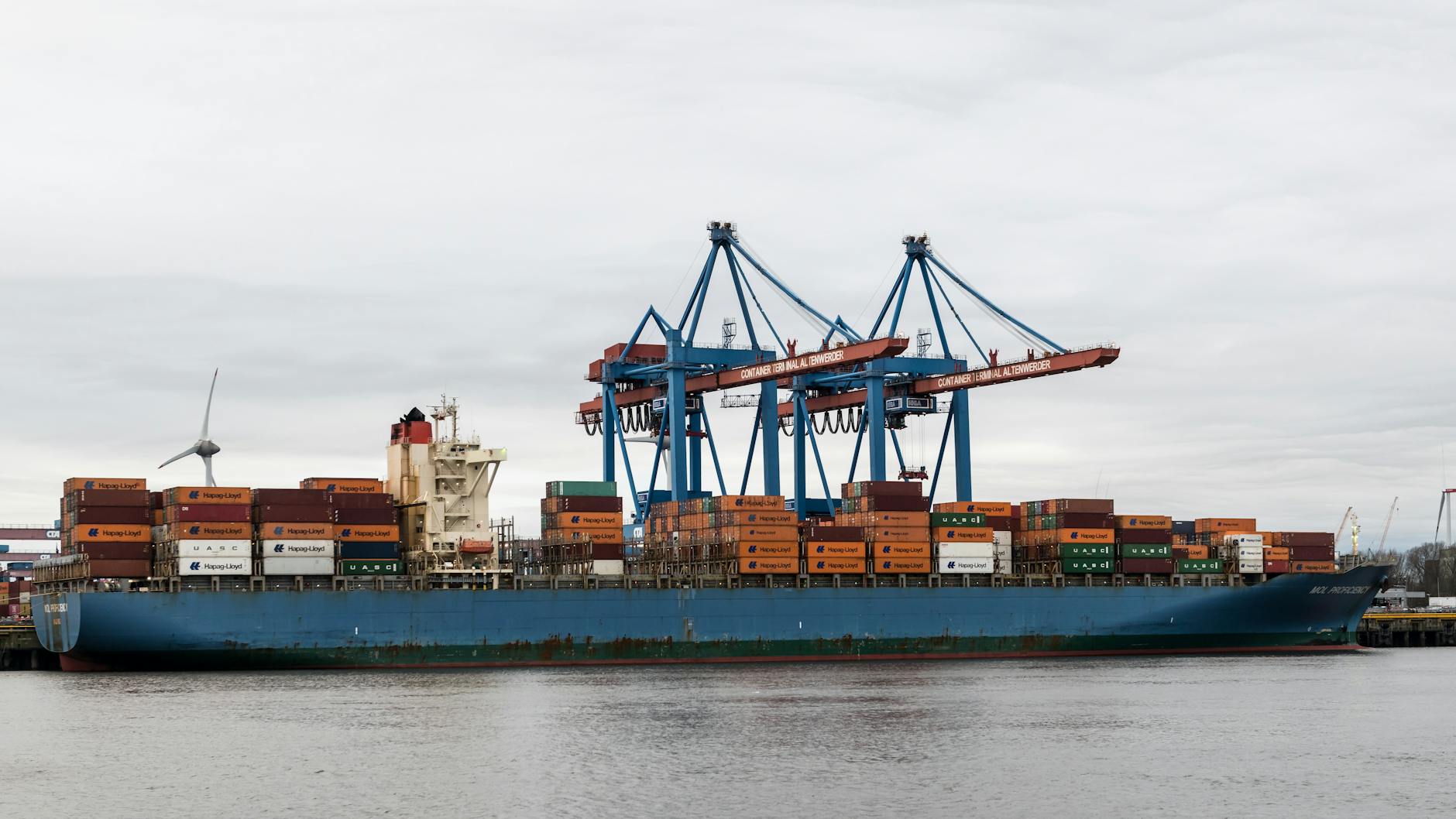
The attack has caused significant delays at major ports in Rotterdam, Shanghai, and Los Angeles, with port authorities reporting backlogs and disruptions to scheduled shipments, according to Bloomberg. Several shipping lines that rely on Maersk’s digital platforms have temporarily suspended bookings.
Industry analysts estimate that the incident could result in losses exceeding $500 million if operations are not restored within the next week. The International Chamber of Shipping has warned that prolonged outages could impact global trade flows, especially for perishable goods and essential medical supplies.
Data Privacy Fallout
Maersk has acknowledged that some customer and partner data may have been accessed or exfiltrated during the attack, raising serious data privacy concerns. The company is working with European and US regulators to assess the scope of the breach and notify affected parties, as required by GDPR and CCPA regulations.
Cybersecurity experts warn that the stolen data could be used for further phishing attacks, identity theft, or sold on dark web marketplaces. The breach has reignited calls for stronger data protection measures and mandatory breach disclosures in the logistics sector, according to Wired.
Analysis: Why Are Logistics Firms Targeted?

Logistics and shipping companies are attractive targets for cybercriminals due to their reliance on interconnected IT systems and the critical nature of their services. According to IBM’s 2025 Cost of a Data Breach Report, the average cost of a breach in the transportation sector rose to $6.2 million last year.
The sector’s rapid digitalization, accelerated by the COVID-19 pandemic, has outpaced investments in cybersecurity, leaving many firms vulnerable to sophisticated attacks. Experts from Kaspersky note that legacy systems and third-party software integrations often introduce exploitable weaknesses.
Government and Industry Response
In response to the Maersk attack, the European Union Agency for Cybersecurity (ENISA) has issued an alert to all major transport and logistics operators, urging immediate security audits and patching of known vulnerabilities. The US Cybersecurity and Infrastructure Security Agency (CISA) is also assisting with the investigation.
Maersk’s CEO, Søren Skou, stated in a press briefing that the company is working with law enforcement and top cybersecurity firms to restore systems and prevent further breaches. He emphasized the need for industry-wide collaboration to strengthen defenses against evolving threats.
What’s Next: Recovery and Policy Implications
Maersk has begun restoring some systems from backups and expects partial resumption of services within 72 hours, though full recovery may take weeks. The company is also reviewing its cybersecurity protocols and employee training programs to prevent future incidents.
Policy experts predict that this high-profile breach will accelerate regulatory efforts to mandate stronger cybersecurity standards for critical infrastructure, including mandatory incident reporting and minimum security baselines, as discussed at the recent World Economic Forum cybersecurity summit.
Customers and partners are advised to monitor their accounts for suspicious activity and follow Maersk’s guidance on password resets and phishing awareness. Industry observers warn that copycat attacks could follow, as ransomware groups seek to exploit similar vulnerabilities.
Sources
Information in this article is sourced from official Maersk statements, Reuters, The Economic Times, Bloomberg, The Verge, Wired, IBM, FireEye, Kaspersky, ENISA, CISA, and the International Chamber of Shipping.Sources: Information sourced from official Maersk statements, Reuters, The Economic Times, Bloomberg, The Verge, Wired, IBM, FireEye, Kaspersky, ENISA, CISA, and the International Chamber of Shipping.