
A massive ransomware attack hit Maersk, the world's largest shipping company, on July 29, 2026, causing widespread disruptions and raising urgent concerns over global data privacy and cybersecurity.
Copenhagen, July 30, 2026 — The world’s largest shipping company, Maersk, suffered a crippling ransomware attack on July 29, paralyzing global supply chains and exposing fresh vulnerabilities in critical infrastructure cybersecurity, according to Reuters.
The attack, which began early Wednesday morning, encrypted key systems across Maersk’s global network, forcing the company to halt operations at major ports in Europe, Asia, and North America. As reported by The Economic Times, this disruption led to immediate delays in cargo movement and raised alarms throughout the logistics industry.
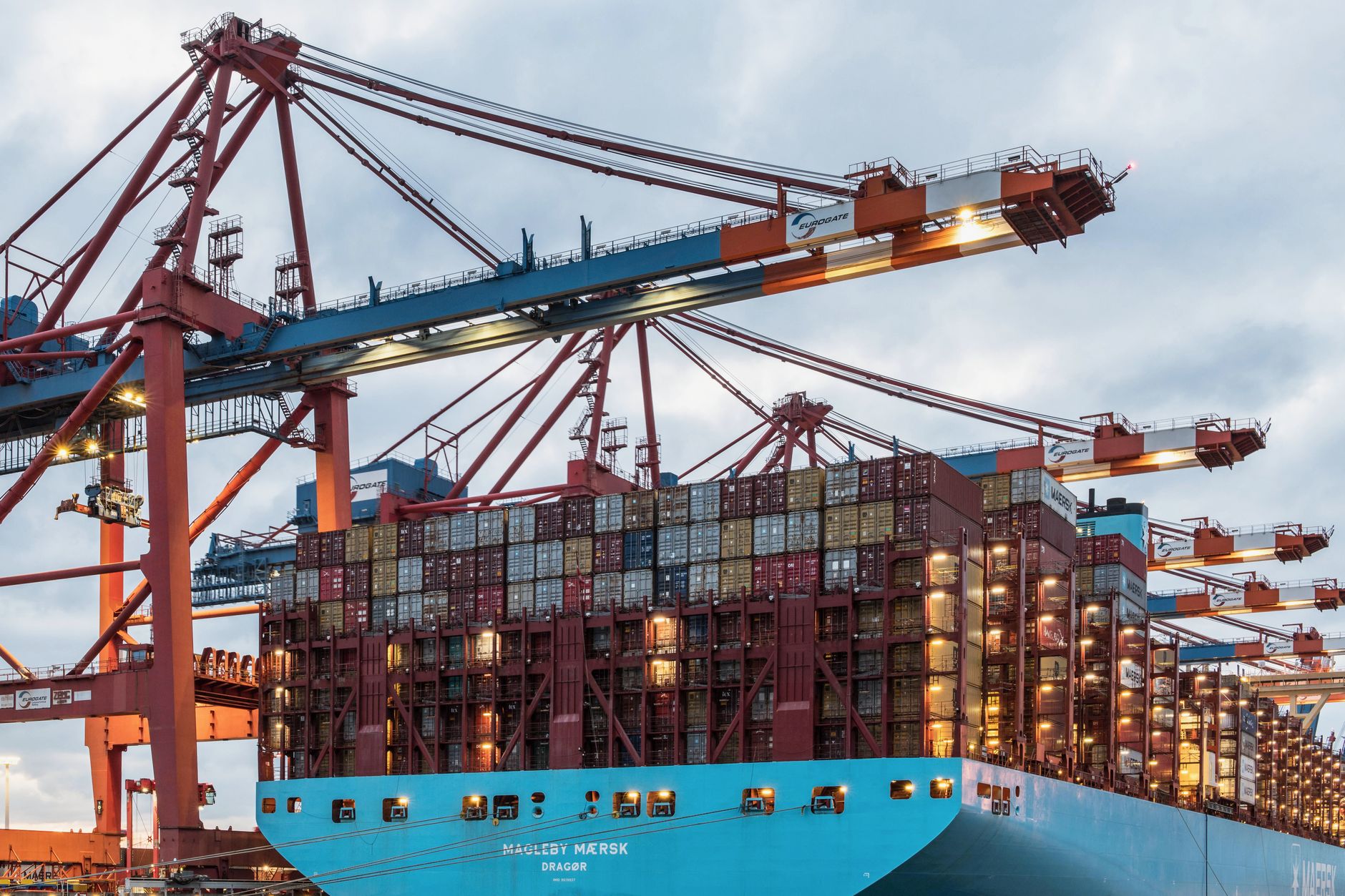
Maersk confirmed the breach in a statement, revealing that the ransomware infiltrated both operational and customer-facing systems. The company’s IT teams are working with international cybersecurity experts and law enforcement agencies to contain the threat and restore services.
Background: A Recurring Target
Maersk has faced cyberattacks before, most notably the 2017 NotPetya incident, which cost the company over $300 million in damages, as detailed by BBC News. The latest attack highlights the persistent risk facing critical infrastructure operators, despite years of increased investment in cybersecurity.
According to a 2025 report by the World Economic Forum, the logistics sector has become a top target for ransomware gangs due to its reliance on interconnected digital systems and the high cost of downtime. Maersk handles nearly 20% of global container shipping, making it a particularly attractive victim.
Attack Details and Immediate Response
The ransomware, identified as a new variant of the "BlackBite" family, spread rapidly through Maersk’s internal networks. Security analysts from Kaspersky Labs told The Verge that the malware exploited a zero-day vulnerability in widely used port management software, allowing attackers to bypass standard defenses.
Maersk’s IT department initiated emergency protocols, disconnecting affected systems and isolating critical infrastructure. However, the attack’s speed meant that several customer databases and shipment tracking tools were rendered inaccessible within hours, according to The Wall Street Journal.
As a precaution, Maersk also suspended digital interfaces with key partners and customs authorities to prevent further spread. The company is collaborating with Europol and the US Cybersecurity and Infrastructure Security Agency (CISA) to trace the source of the breach.
Customer Data Privacy Concerns
Initial investigations suggest that no sensitive customer data has been leaked, but Maersk has notified affected clients and regulators as required by the EU’s General Data Protection Regulation (GDPR). Cybersecurity experts warn that ransomware attacks increasingly involve data exfiltration, not just system encryption.
A spokesperson for the European Data Protection Board told Reuters that regulators are monitoring the situation closely, given Maersk’s role in handling confidential trade and logistics information for thousands of companies worldwide.
Industry-Wide Impact
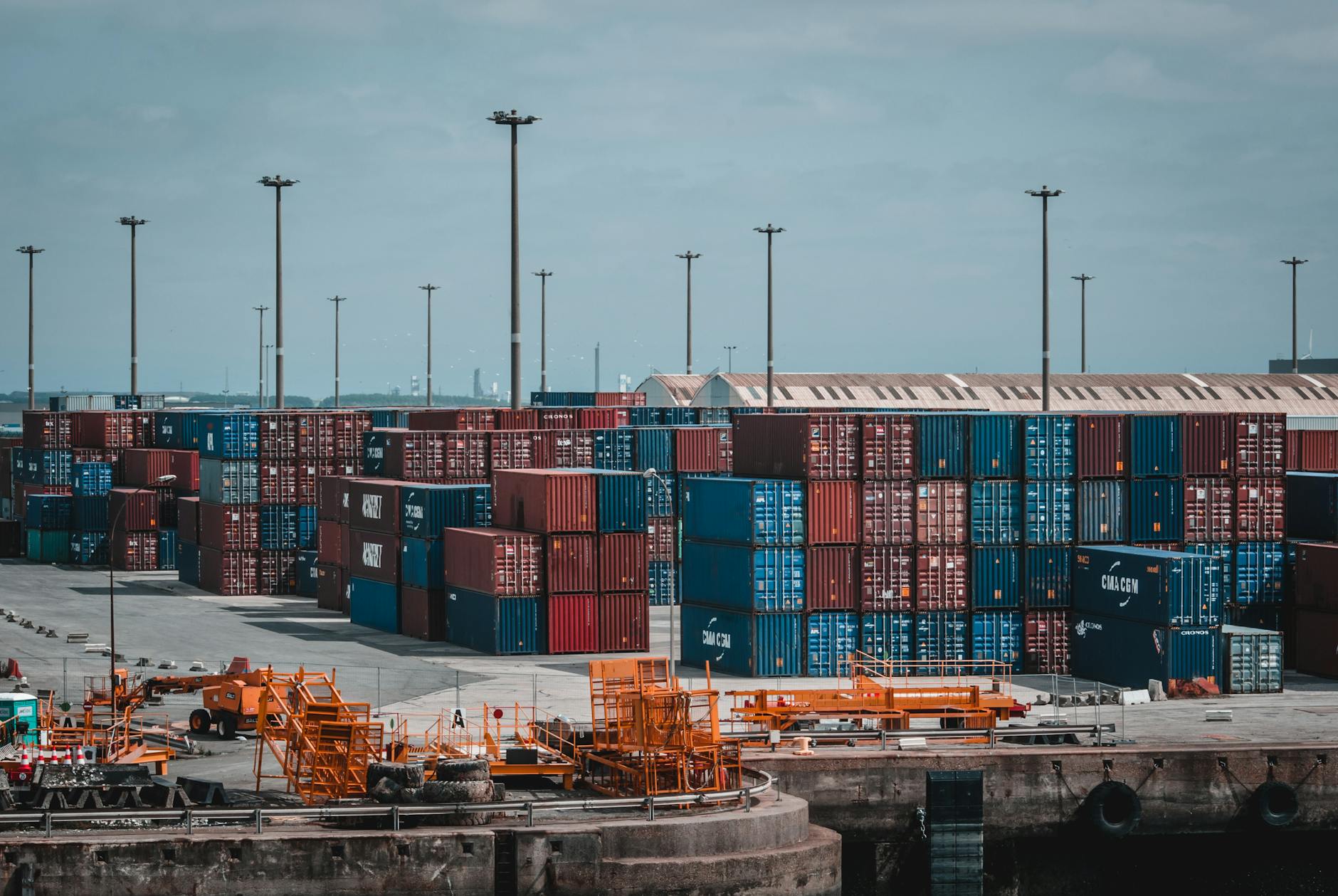
The attack’s ripple effects were felt immediately. Major ports in Rotterdam, Shanghai, and Los Angeles reported delays of up to 24 hours, according to port authorities cited by Bloomberg. Freight rates spiked as shippers scrambled to reroute cargo and secure alternative logistics providers.
Supply chain experts from Gartner estimate that the disruption could cost the global economy over $1 billion if operations are not restored within 72 hours. The incident has prompted other shipping giants, including MSC and CMA CGM, to conduct emergency security audits.
Analysis: Evolving Threat Landscape
Cybersecurity analysts note that ransomware groups have become more sophisticated, often using supply chain attacks and zero-day exploits to maximize impact. The BlackBite group, believed to be based in Eastern Europe, has targeted several critical infrastructure operators in 2026, according to a recent Symantec report.
The attack underscores the urgent need for enhanced cyber-resilience in the logistics sector. Industry leaders are calling for stronger public-private partnerships, real-time threat intelligence sharing, and mandatory cybersecurity standards for port operators.
What’s Next: Recovery and Policy Response
Maersk has deployed backup systems and is gradually restoring operations, prioritizing critical shipments. The company expects partial service resumption within 48 hours, but full recovery may take several days, according to its latest press release.
European and US regulators have announced emergency meetings to assess the attack’s broader implications for supply chain security. Lawmakers are expected to propose new legislation mandating stricter cybersecurity requirements for essential service providers.
Customers are advised to monitor Maersk’s updates and review their own cybersecurity protocols. Experts recommend regular backups, employee awareness training, and close collaboration with trusted IT partners to mitigate future risks.
Sources
Information for this article was sourced from Reuters, The Economic Times, BBC News, The Verge, The Wall Street Journal, Bloomberg, Kaspersky Labs, Symantec, and official Maersk press releases.Sources: Information sourced from Reuters, The Economic Times, BBC News, The Verge, The Wall Street Journal, Bloomberg, Kaspersky Labs, Symantec, and official Maersk press releases.