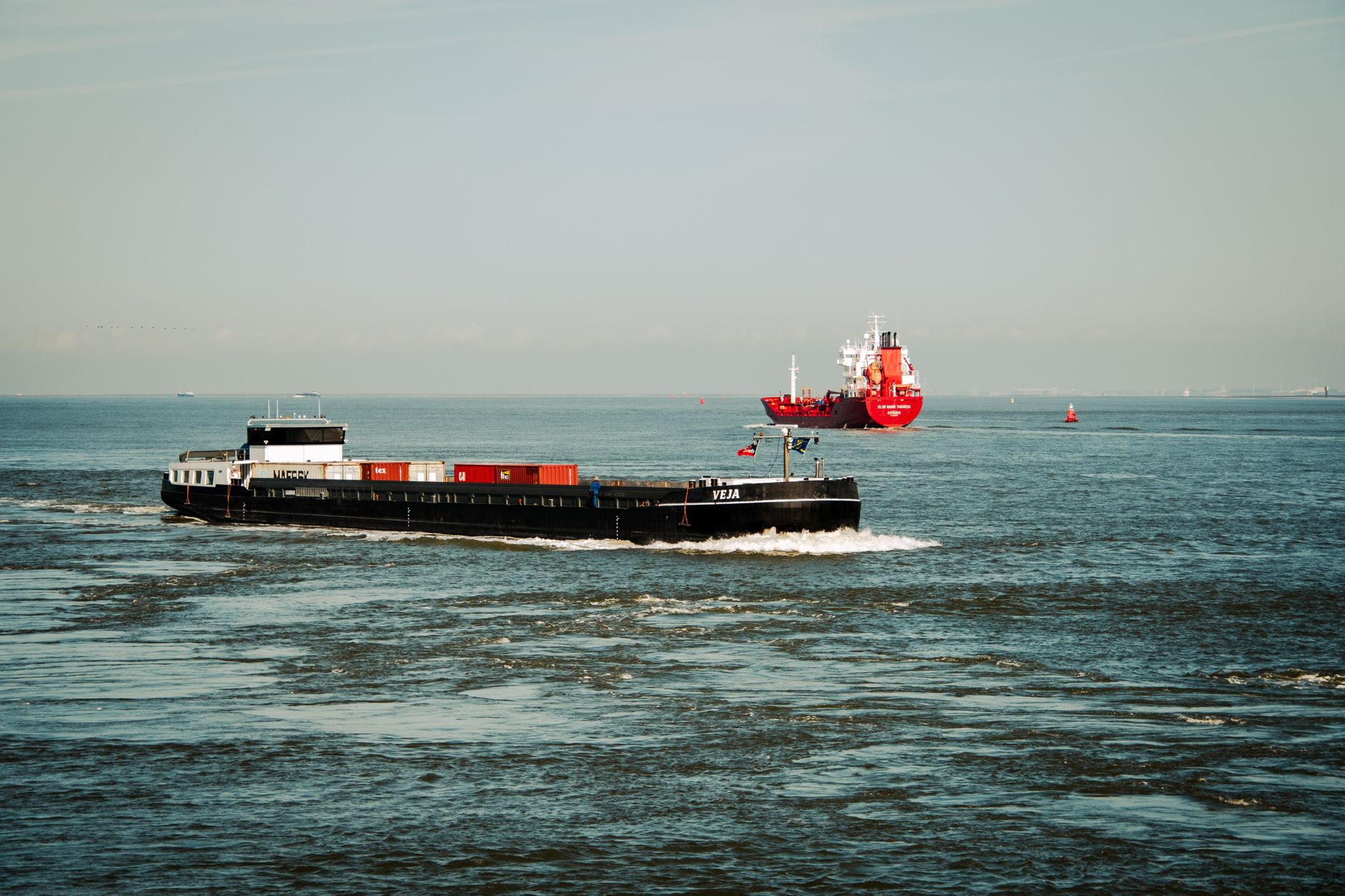
A sophisticated ransomware attack has disrupted Maersk's global operations, raising urgent concerns about cybersecurity vulnerabilities and data privacy in the logistics sector. Authorities and experts investigate the breach.
Copenhagen, July 13, 2026 — Maersk, the world’s largest container shipping company, suffered a massive ransomware attack on July 12, crippling its digital infrastructure and exposing sensitive customer data, according to Reuters. The incident has sparked global alarm over cybersecurity vulnerabilities in critical supply chain networks.
The attack, which began early Monday, targeted Maersk’s core IT systems, forcing the company to halt bookings, track-and-trace services, and several port operations worldwide. Maersk confirmed the breach in a statement, noting that the malware encrypted key data and demanded a multimillion-dollar ransom for decryption.
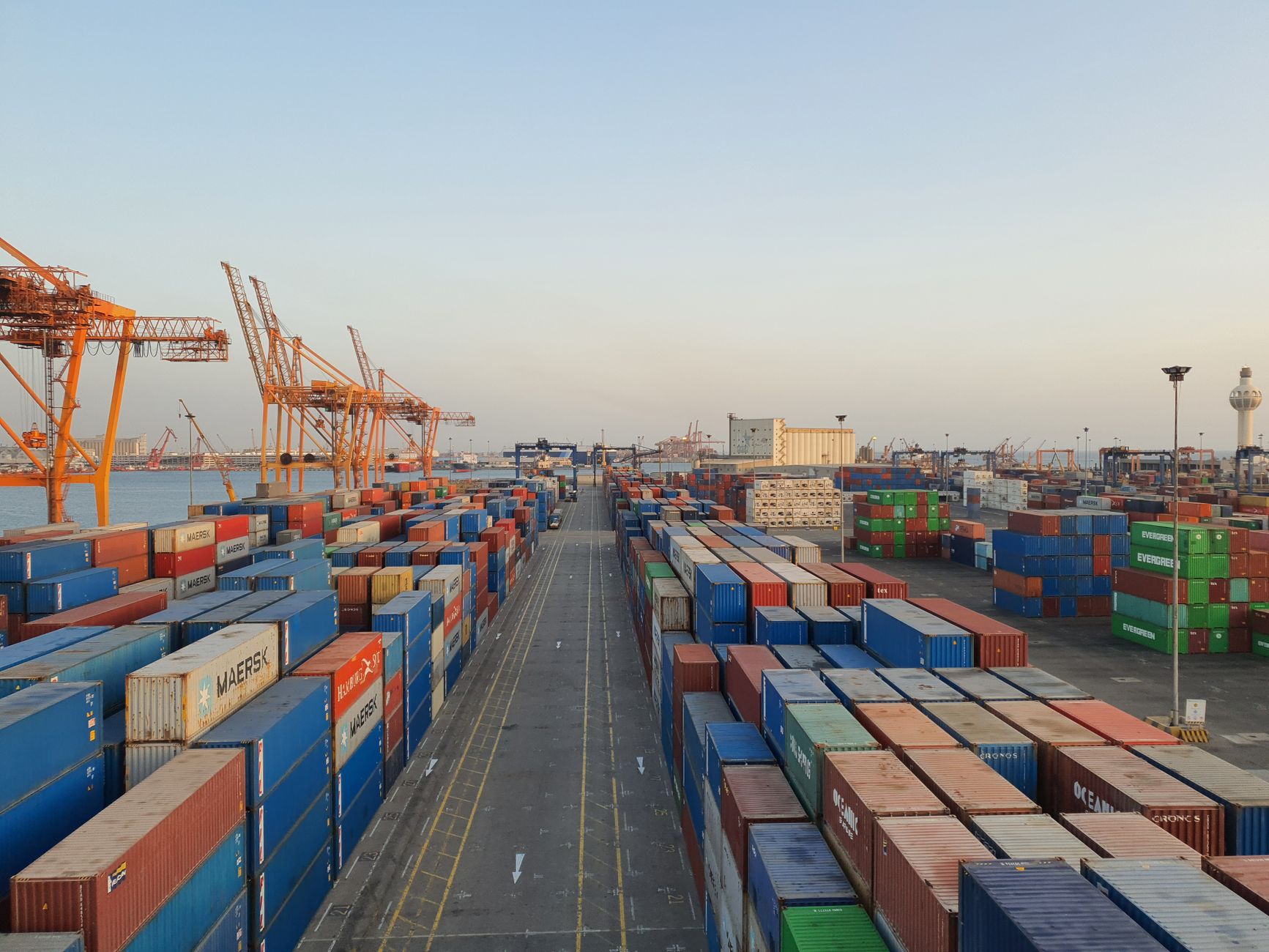
Initial investigations by cybersecurity firm FireEye suggest the ransomware, dubbed "HarborLock," exploited a zero-day vulnerability in Maersk’s cloud-based logistics platform. The breach potentially exposed shipment records, customer contact details, and trade documentation, raising significant data privacy concerns.
Background: Rising Cyber Threats in Logistics
Cyberattacks targeting the logistics and shipping industry have surged in recent years. According to IBM’s 2025 X-Force Threat Intelligence Index, transportation was the third most targeted sector for ransomware attacks globally. Experts attribute this to the sector’s reliance on interconnected digital systems and legacy software.
Maersk previously faced a major cyber incident in 2017 during the NotPetya outbreak, which caused over $300 million in damages. Since then, the company has invested heavily in cybersecurity, yet the current breach underscores persistent vulnerabilities and the evolving sophistication of cybercriminals.
Attack Details and Timeline
The HarborLock ransomware infiltrated Maersk’s network in the early hours of July 12, according to a preliminary report from Denmark’s Centre for Cyber Security. Attackers used spear-phishing emails to gain initial access, then leveraged privilege escalation tools to move laterally across systems.

By midday, Maersk’s booking portal and internal communications were rendered inaccessible. The company’s IT teams isolated affected servers and began incident response procedures. However, operations at major ports in Rotterdam, Singapore, and Los Angeles experienced significant delays, as reported by The Wall Street Journal.
Maersk disclosed that attackers demanded a ransom equivalent to $50 million in Bitcoin. The company has not confirmed whether it intends to pay, citing ongoing consultations with law enforcement and cybersecurity experts.
Data Privacy Implications
Early analysis indicates that shipment manifests, customer email addresses, and customs documentation may have been accessed by the attackers. The European Data Protection Board has launched an inquiry to assess potential violations under the General Data Protection Regulation (GDPR).
Maersk has notified affected customers and partners, advising them to monitor for suspicious activity and implement additional security measures. The company’s data protection officer stated that forensic teams are working to determine the full scope of the breach.
Industry and Regulatory Response
The International Maritime Organization (IMO) has called for an emergency meeting to address cybersecurity standards across the shipping industry. In a statement, the IMO urged companies to review their incident response plans and strengthen digital defenses.
Regulators in the European Union and United States have also issued advisories, warning logistics providers to be vigilant against similar ransomware campaigns. The U.S. Cybersecurity and Infrastructure Security Agency (CISA) is coordinating with Maersk to track the threat actors and prevent further incidents.
Expert Analysis: The Evolving Ransomware Landscape
Cybersecurity analysts note that the HarborLock attack demonstrates a growing trend of targeting supply chain operators with highly tailored malware. "Attackers are increasingly exploiting the critical role of logistics in global trade," said John Miller, principal analyst at FireEye, in an interview with The Economic Times.
The breach also highlights the risks of third-party software dependencies and cloud-based platforms. According to Gartner, 75% of supply chain organizations will experience a data breach by 2027 due to digital transformation and increased connectivity.
Impact on Global Trade and Customers
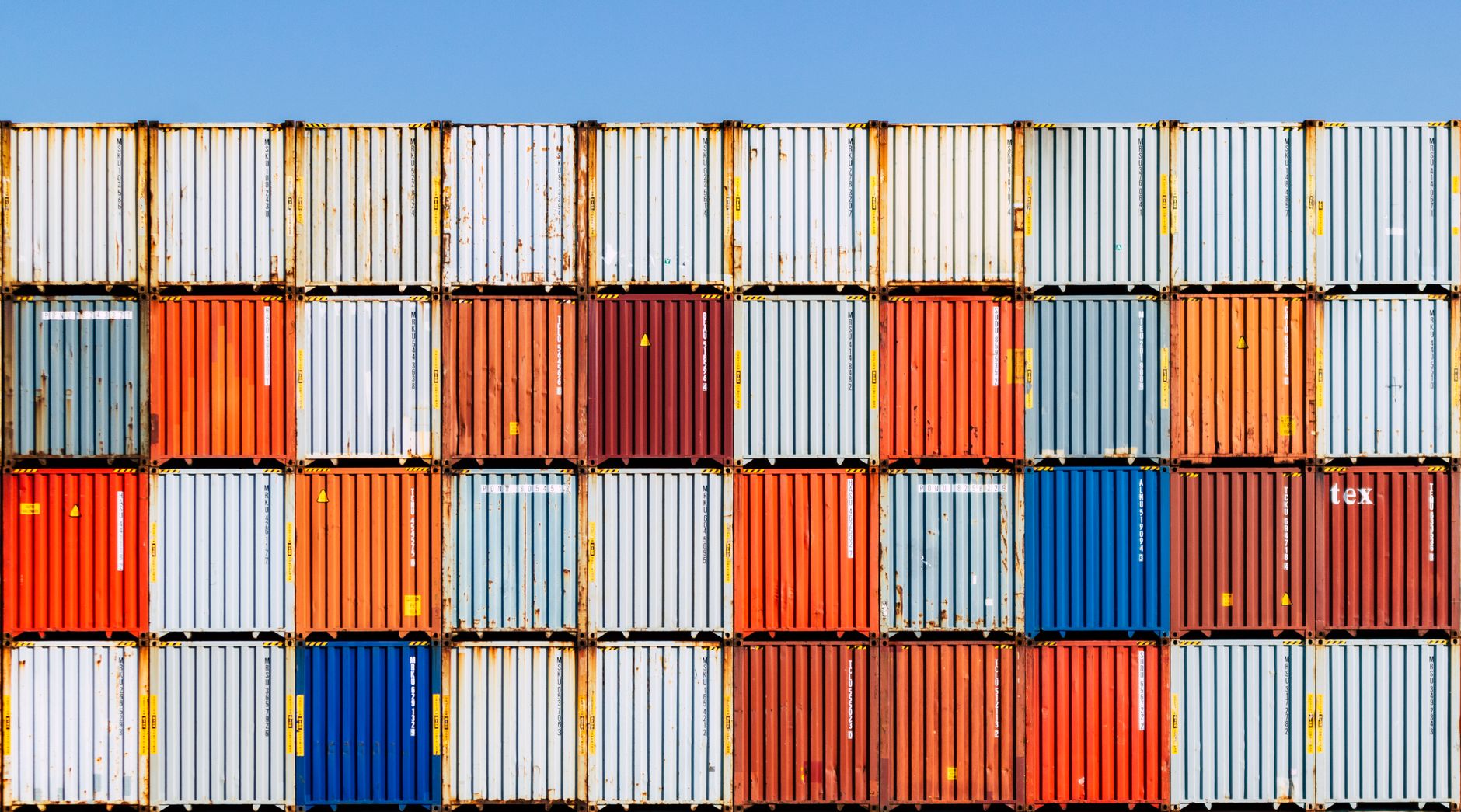
The ransomware attack has disrupted shipments and supply chains worldwide. According to Maersk, over 20% of its scheduled container movements have been delayed or rerouted. Retailers and manufacturers reliant on just-in-time logistics face potential inventory shortages.
Freight rates have spiked on major shipping lanes, and insurance companies are reassessing cyber risk premiums for logistics operators. The incident may also trigger contractual disputes over delayed deliveries and data privacy breaches, as noted by legal experts at Norton Rose Fulbright.
What’s Next: Recovery and Prevention
Maersk has engaged Microsoft and FireEye to assist with system restoration and threat hunting. The company aims to restore full operations within a week, but warns that some delays may persist as forensic investigations continue.
Industry leaders are calling for greater investment in cybersecurity training, threat intelligence sharing, and adoption of zero-trust architectures. The incident is expected to accelerate regulatory scrutiny and drive new standards for data privacy in the logistics sector.
Sources
Information for this article was sourced from Reuters, The Wall Street Journal, The Economic Times, IBM X-Force Threat Intelligence Index, Gartner, and statements from Maersk and the International Maritime Organization.
Sources: Information sourced from Reuters, The Wall Street Journal, The Economic Times, and official statements from Maersk and the International Maritime Organization.