
A coordinated ransomware attack crippled multiple U.S. hospital networks this week, disrupting care and exposing sensitive patient data, according to cybersecurity experts and federal agencies.
Washington, D.C., March 12, 2026 — A sweeping ransomware attack struck several major U.S. hospital networks on Tuesday, forcing emergency rooms to divert patients, disrupting surgeries, and exposing the sensitive health data of millions, according to the Cybersecurity and Infrastructure Security Agency (CISA).
The attack, which began in the early hours of March 11, targeted at least five large hospital systems across the Midwest and East Coast. The ransomware, identified as a new variant dubbed 'MedusaStrike,' encrypted hospital servers and demanded multimillion-dollar payments in cryptocurrency, CISA and cybersecurity firm CrowdStrike reported.
Initial investigations suggest the attackers gained access via phishing emails sent to hospital staff, leveraging sophisticated social engineering tactics. The emails mimicked internal IT communications, tricking employees into downloading malicious attachments, according to a joint FBI-CISA advisory.
Background: Rising Threats to Healthcare Systems
Healthcare organizations have long been prime targets for cybercriminals due to their reliance on digital records and the high value of patient data. The Department of Health and Human Services (HHS) reported a 35% increase in ransomware incidents targeting hospitals in 2025, a trend that continues into 2026.
Last year, the infamous 'BlackByte' ransomware group crippled several regional clinics, but the current MedusaStrike attack is the largest coordinated assault on U.S. healthcare infrastructure to date, according to cybersecurity analysts at FireEye.
Scope and Impact of the Attack
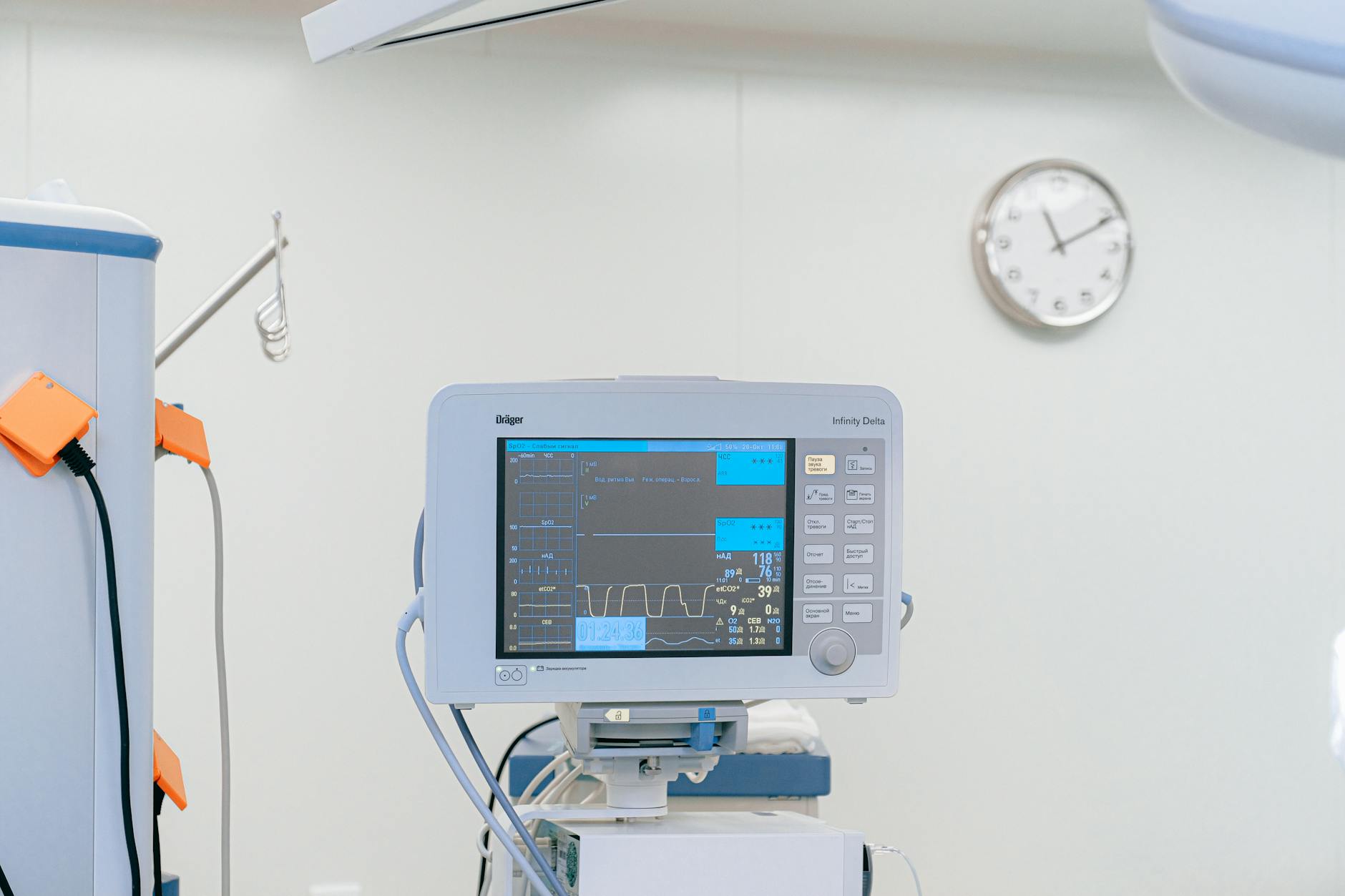
The affected hospital networks serve over 10 million patients annually, with facilities in New York, Illinois, Pennsylvania, and Ohio among those hardest hit. Electronic health records, appointment systems, and even some life-support equipment were rendered inoperable, hospital administrators confirmed.
Ambulances were diverted to unaffected hospitals, and some elective surgeries were postponed. The American Hospital Association (AHA) described the disruption as 'unprecedented in scale,' warning of potential delays in critical care delivery.
According to a statement from New York Presbyterian Hospital, 'Our IT teams are working around the clock to restore systems. We are cooperating fully with federal authorities to investigate the breach and secure our patients' data.'
Patient Data Exposed

Preliminary forensic analysis indicates that attackers exfiltrated large volumes of patient data, including medical histories, Social Security numbers, and insurance details. The stolen data has reportedly surfaced on dark web marketplaces, as reported by cybersecurity firm Recorded Future.
HIPAA regulations require hospitals to notify affected patients within 60 days of a breach. Legal experts warn that the exposure could trigger class-action lawsuits and significant regulatory penalties, especially if negligence is discovered.
Government and Industry Response
The White House convened an emergency task force on Wednesday, bringing together officials from CISA, the HHS, and the FBI. President Harris called the attack 'a direct threat to national security and public health,' pledging increased federal support for affected hospitals.
CISA released updated guidance for healthcare providers, emphasizing the importance of employee cybersecurity training, regular software patching, and multi-factor authentication. The agency also urged hospitals to review their incident response plans and backup protocols.
Analysis: Why Are Hospitals So Vulnerable?

Experts attribute hospitals' vulnerability to outdated IT infrastructure and chronic underinvestment in cybersecurity. A 2025 survey by the Ponemon Institute found that 60% of U.S. hospitals still rely on legacy systems unsupported by modern security updates.
Moreover, the rapid digitization of healthcare during the COVID-19 pandemic outpaced cybersecurity upgrades. Many hospitals expanded telehealth and remote access without adequately securing new endpoints, according to a 2026 report by The Wall Street Journal.
Financial and Legal Consequences
The financial fallout from the MedusaStrike attack could exceed $1 billion, factoring in ransom demands, system restoration costs, and potential regulatory fines, as estimated by Moody’s Analytics. Hospitals may also face increased insurance premiums and reputational damage.
Legal experts note that class-action lawsuits are likely if patients suffer identity theft or financial losses. The Federal Trade Commission (FTC) has already launched a probe into whether the affected hospitals complied with federal data protection standards.
What’s Next: Strengthening Defenses
In response to the attack, Congress is considering new legislation mandating minimum cybersecurity standards for all healthcare providers receiving federal funds. The proposed 'Healthcare Cybersecurity Act of 2026' would require annual security audits and increased funding for IT upgrades.
Industry leaders are also calling for greater public-private collaboration. The AHA has urged the government to establish a national cybersecurity coordination center for healthcare, modeled after similar initiatives in the financial sector.
International Implications

The FBI has not publicly identified the perpetrators but suspects a Russia-based ransomware syndicate, according to Reuters. The attack has prompted renewed calls for international cooperation to combat cybercrime and disrupt ransomware payment networks.
Global healthcare organizations are on high alert, with the World Health Organization (WHO) issuing an advisory to hospitals worldwide to review their cyber defenses in light of the U.S. attacks.
Conclusion: A Wake-Up Call for Healthcare
The MedusaStrike ransomware attack underscores the urgent need for robust cybersecurity in healthcare. As hospitals race to restore systems and protect patient data, experts warn that such threats will only intensify unless systemic vulnerabilities are addressed.
Sources: Information in this article was sourced from CISA, FBI, HHS, The Wall Street Journal, Reuters, CrowdStrike, FireEye, Recorded Future, and Moody’s Analytics.
Sources: Information sourced from CISA, FBI, HHS, The Wall Street Journal, Reuters, CrowdStrike, FireEye, Recorded Future, and Moody’s Analytics.