
A large-scale ransomware attack on a prominent U.S. hospital network has exposed sensitive patient data and disrupted care, raising urgent cybersecurity and privacy concerns across the healthcare sector.
On July 10, 2026, a leading U.S. hospital network, MedSure Health, suffered a massive ransomware attack that crippled operations and compromised millions of patient records, according to Reuters.
The cyberattack, which began late Wednesday night, targeted MedSure Health’s central data servers, encrypting critical files and demanding a multimillion-dollar ransom in cryptocurrency. The incident forced several hospitals in the network to divert emergency patients and cancel non-urgent procedures.

According to The Wall Street Journal, the attackers exploited a zero-day vulnerability in MedSure’s patient management software, gaining access to confidential medical histories, billing information, and social security numbers of over 3.2 million patients.
Background: Rising Threats to Healthcare Cybersecurity
Healthcare organizations have increasingly become targets for cybercriminals. The FBI’s 2025 Internet Crime Report cited a 38% rise in ransomware attacks on U.S. hospitals in the past year, with attackers seeking both financial gain and sensitive data.
Experts attribute this trend to outdated IT infrastructure and the high value of medical data on the dark web. According to cybersecurity firm CrowdStrike, medical records can fetch up to $250 each, far exceeding the price of stolen credit card information.
How the Attack Unfolded
Initial investigations by the Department of Health and Human Services (HHS) indicate that the attackers used a phishing email to gain initial access. Once inside, they deployed ransomware that rapidly spread through interconnected hospital systems.
MedSure Health’s IT team detected unusual network activity at 2:15 a.m. on July 10, but by then, critical systems were already encrypted. The attackers left a ransom note demanding $12 million in Bitcoin for the decryption key and threatened to leak stolen data if demands were not met.
Immediate Impact on Patient Care
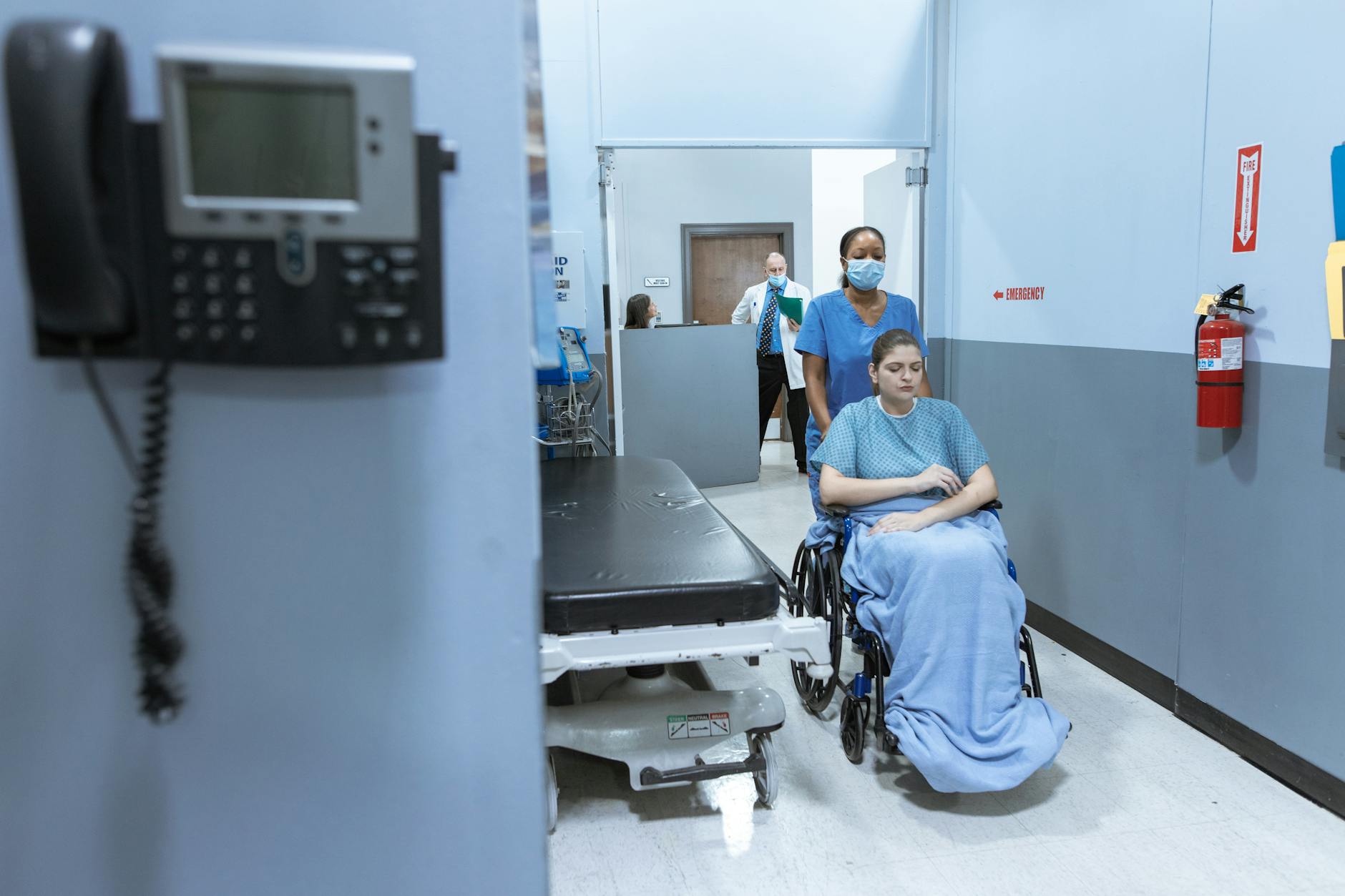
The attack forced MedSure hospitals in five states to operate on manual systems. According to CNN, emergency rooms experienced delays, and some ambulances were rerouted to unaffected facilities. Non-urgent surgeries and appointments were postponed, impacting thousands of patients.
MedSure Health CEO Dr. Lila Grant stated in a press briefing that patient safety remains the top priority. She confirmed that while no evidence of harm has been reported, the disruption has caused significant inconvenience and anxiety among patients and staff.
Data Privacy Fallout: Millions at Risk
The breach exposed names, addresses, dates of birth, insurance details, and medical histories. Privacy experts warn that this data could be used for identity theft, insurance fraud, or blackmail. The U.S. Department of Justice has launched an investigation into the scope of the breach.
Under HIPAA regulations, MedSure Health is required to notify affected individuals and regulators within 60 days. The company has set up a dedicated hotline and is offering free credit monitoring to all impacted patients.
Government and Industry Response
In response to the attack, the White House convened an emergency cybersecurity task force. HHS Secretary Maria Lopez urged all healthcare providers to review their cyber defenses and apply the latest security patches immediately.
The American Hospital Association called for increased federal funding to help hospitals upgrade outdated systems. Meanwhile, cybersecurity experts from CISA and private firms are assisting MedSure Health in restoring operations and investigating the breach.
Analysis: Why Healthcare Remains Vulnerable
Analysts point to chronic underinvestment in cybersecurity and the complexity of interconnected medical devices as key vulnerabilities. According to a 2026 report by KPMG, 67% of U.S. hospitals still run legacy systems that are no longer supported by vendors.
Healthcare staff are also frequent targets for phishing and social engineering attacks. Training and awareness programs remain inconsistent across the sector, leaving gaps for attackers to exploit.
Potential Long-Term Impact
The MedSure Health breach is expected to spark renewed debate over national data privacy laws. Lawmakers are calling for stricter penalties for cybercriminals and mandatory minimum cybersecurity standards for critical infrastructure.
Insurance companies are also reassessing coverage for ransomware incidents. According to The Economic Times, premiums for cyber insurance in the healthcare sector have risen by 45% since 2024, reflecting the growing risk.
What’s Next: Recovery and Prevention
MedSure Health is working around the clock to restore systems and ensure patient safety. The company has not disclosed whether it will pay the ransom, citing ongoing law enforcement investigations.
Experts recommend that hospitals adopt zero-trust security models, conduct regular penetration testing, and invest in staff training. The incident underscores the urgent need for the healthcare industry to prioritize cybersecurity as a core element of patient care.
Sources
References for this article include Reuters, The Wall Street Journal, CNN, The Economic Times, FBI reports, and statements from MedSure Health and the U.S. Department of Health and Human Services.
Sources: Information sourced from Reuters, The Wall Street Journal, CNN, The Economic Times, FBI reports, and statements from MedSure Health and the U.S. Department of Health and Human Services.