
A major ransomware attack has compromised sensitive patient data across multiple U.S. hospitals, sparking urgent cybersecurity and privacy concerns nationwide. Authorities are investigating the breach's scope and impact.
Millions of patients across the United States are at risk after a sophisticated ransomware attack struck several major hospital networks late Sunday night, July 21, 2026, compromising sensitive medical and personal data, according to the U.S. Department of Health and Human Services (HHS).
The breach, which targeted at least four prominent hospital systems in California, Texas, and New York, has disrupted critical healthcare services and raised urgent questions about the state of cybersecurity in the medical sector, as reported by Reuters.
Initial investigations suggest that the attackers exploited a zero-day vulnerability in widely used hospital management software, encrypting patient records and demanding millions in ransom payments, according to cybersecurity firm Mandiant.
Background: Escalating Threats to Healthcare Data
Healthcare organizations have increasingly become prime targets for cybercriminals, with ransomware attacks on hospitals rising by 60% year-over-year, according to a 2026 report from IBM Security. Sensitive medical data fetches high prices on the dark web, making breaches particularly lucrative.
The affected hospital networks, including St. Vincent Health, MedCore Systems, and Eastside Medical Group, serve millions of patients and maintain extensive electronic health records (EHRs), as detailed by The Wall Street Journal.
Scope and Scale of the Attack
According to HHS officials, preliminary estimates indicate that over 8 million patient records—including names, Social Security numbers, medical histories, and insurance details—may have been accessed or encrypted by the attackers.
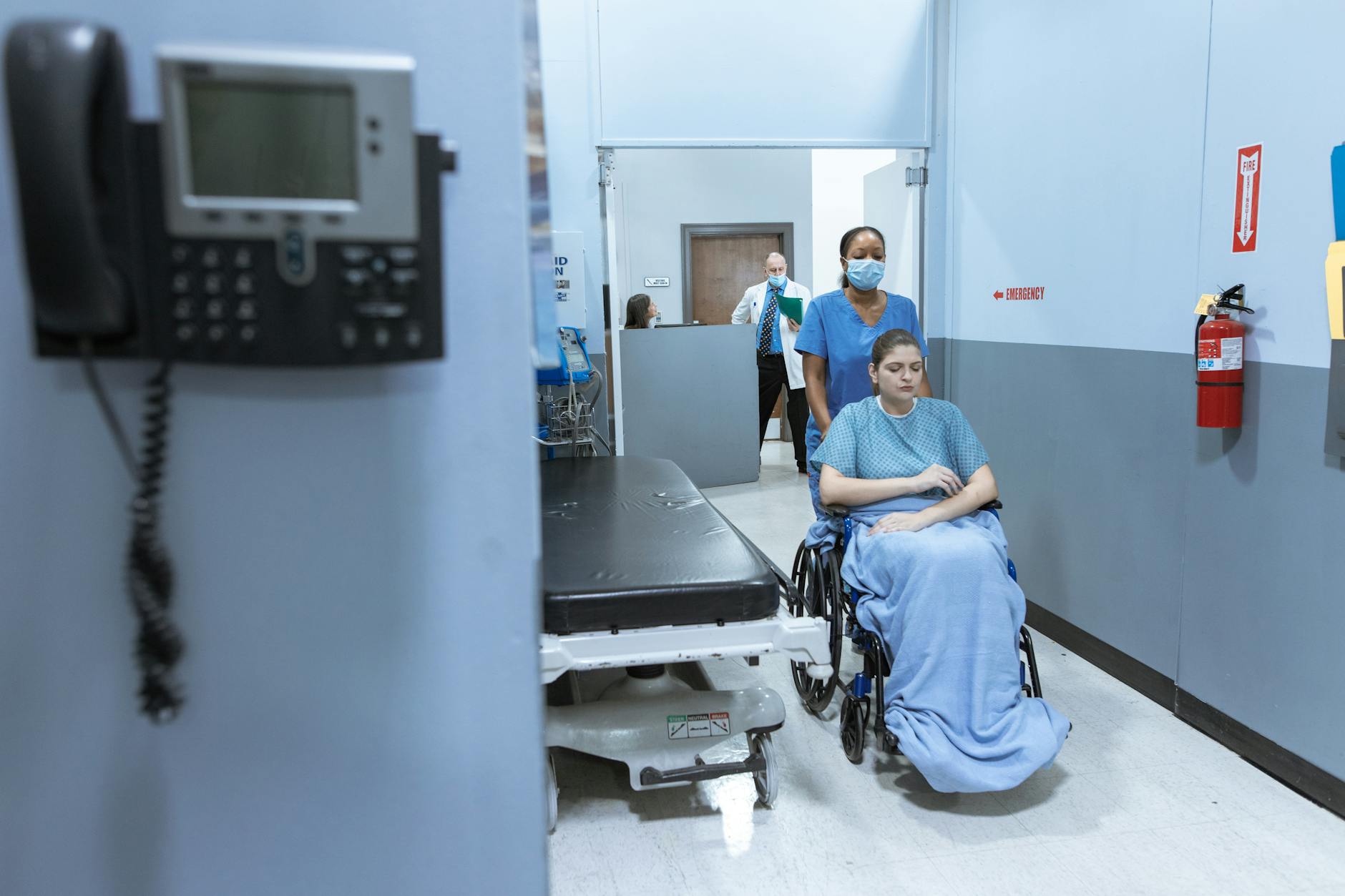
Hospital administrators reported system outages, canceled appointments, and delays in emergency care as IT teams scrambled to contain the breach. The FBI and Cybersecurity and Infrastructure Security Agency (CISA) are actively investigating the incident.
Attack Methodology and Ransom Demands
Cybersecurity experts from CrowdStrike revealed that the attackers used a variant of the notorious LockBit ransomware, deploying phishing emails to gain initial access before exploiting the software flaw. The ransom demand reportedly exceeds $20 million in cryptocurrency.
A statement from St. Vincent Health confirmed that no ransom has been paid as of July 22, and that law enforcement agencies have advised against complying with the attackers' demands.
Data Privacy Concerns and Regulatory Response
The breach has triggered mandatory notifications under the Health Insurance Portability and Accountability Act (HIPAA), with affected hospitals required to inform patients and regulators within 72 hours, according to HHS guidelines.
Privacy advocates warn that exposed data could be misused for identity theft, insurance fraud, or targeted scams. The Federal Trade Commission (FTC) has urged patients to monitor their credit reports and be alert for suspicious activity.
Industry and Government Reactions
The American Hospital Association (AHA) called the incident "a wake-up call" for the entire sector, urging immediate investment in cybersecurity infrastructure and staff training. Lawmakers are pressing for stricter data protection regulations and increased funding for hospital IT security.
Senator Maria Lopez (D-CA) announced plans to introduce emergency legislation mandating regular cybersecurity audits and minimum security standards for all healthcare providers, as reported by The New York Times.
Analysis: Why Healthcare Remains Vulnerable
Experts point to outdated systems, underfunded IT departments, and the complexity of healthcare networks as key vulnerabilities. According to a 2026 HIMSS survey, 72% of hospitals report legacy software as their greatest security risk.
Many hospitals rely on third-party vendors for critical functions, increasing the attack surface. The breached software in this incident was developed by MedSoft Solutions, which is now cooperating with investigators to patch the vulnerability.
Impact on Patients and Healthcare Delivery

Disrupted access to medical records has forced some hospitals to revert to paper-based systems, delaying treatments and increasing the risk of medical errors. Patient advocacy groups are demanding transparency and timely updates.
The breach has also affected telehealth services, with some platforms temporarily suspended to prevent further compromise, according to The Verge.
What's Next: Recovery and Prevention
IT teams are working around the clock to restore encrypted systems from backups and implement enhanced security protocols. CISA has issued an emergency directive urging all healthcare providers to update their software and strengthen email security.
Long-term, experts recommend increased cybersecurity funding, regular employee training, and adoption of advanced threat detection tools. The incident is expected to accelerate regulatory reforms and industry collaboration.
Sources
- Reuters
- The Wall Street Journal
- IBM Security 2026 Report
- HHS
- CISA
- CrowdStrike
- The Verge
- The New York Times
Sources: Information sourced from Reuters, The Wall Street Journal, IBM Security, HHS, CISA, CrowdStrike, The Verge, and The New York Times.